
Winterizing Your Deck in New England (2026)
Prepare your Massachusetts deck for winter! Learn how to protect your investment from snow, ice, and harsh New England weather.
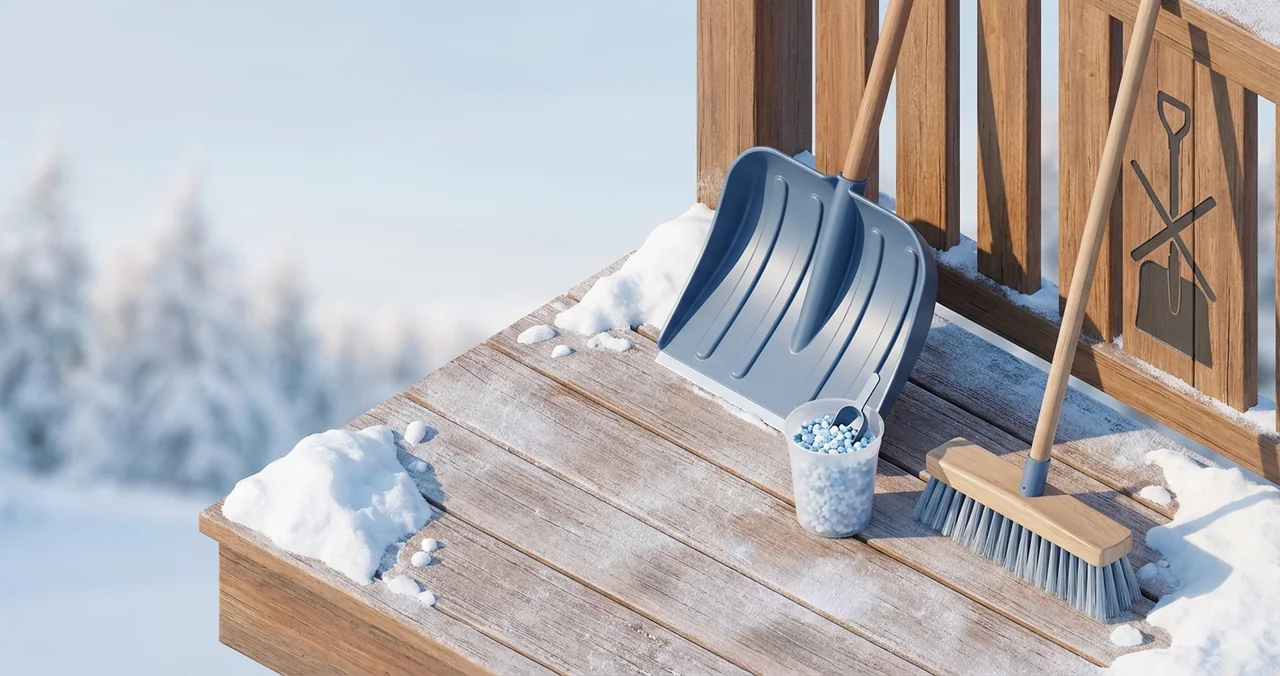
Winterizing Your Deck in New England: A Massachusetts Guide
New England winters are beautiful, but notoriously harsh on outdoor structures. Your deck, constantly exposed to snow, ice, and fluctuating temperatures, needs special attention to survive the season unscathed. This comprehensive guide will walk you through the essential steps for winterizing your Massachusetts deck, ensuring it's ready for spring and many years of enjoyment to come.
🏗️ Planning a deck project?
Get a free manual project review, or visualize your dream deck with AI before requesting quotes.
📅 Tool Alert: Maintenance Planner
Get a custom seasonal maintenance schedule to protect your investment for decades.
Plan Maintenance →Looking for more regional information? Check out our Massachusetts State Decking Hub.
Why Winterizing Your Deck is Crucial in Massachusetts
Ignoring deck winterization in Massachusetts can lead to significant damage and costly repairs. The freeze-thaw cycle, where water seeps into cracks, freezes, expands, and then thaws, is particularly destructive. This process can cause:
- Cracking and Splitting: Wood decks are especially vulnerable to cracking and splitting as moisture expands and contracts within the wood grain.
- Warping and Bending: Uneven moisture exposure can cause deck boards and support structures to warp and bend.
- Mold and Mildew Growth: Damp, shaded areas become breeding grounds for mold and mildew, which can degrade the deck's surface and pose health risks.
- Loose Fasteners: Freezing and thawing can loosen screws, nails, and other fasteners, compromising the deck's structural integrity.
- Premature Rot: Prolonged exposure to moisture accelerates wood rot, shortening the lifespan of your deck.
Taking the time to properly winterize your deck protects your investment and ensures it's ready for outdoor enjoyment when warmer weather returns.
Step-by-Step Guide to Winterizing Your Deck in Massachusetts
Follow these steps to effectively winterize your deck and protect it from the harsh New England winter:
1. Thorough Cleaning: Removing Debris and Grime
The first step is a deep clean. Remove all furniture, planters, and other items from the deck surface. Use a broom or leaf blower to clear away leaves, twigs, and other debris. Pay special attention to the spaces between deck boards, as these areas tend to accumulate moisture and debris.
- Sweep: Use a stiff-bristled broom to sweep away loose debris.
- Wash: Use a deck cleaner specifically designed for your deck material. Follow the manufacturer's instructions carefully. For wood decks, consider using a wood brightener after cleaning to restore its natural color. Pressure washing can be effective, but be cautious, especially on softer woods, as excessive pressure can damage the surface. Hold the nozzle at least 12 inches away from the deck surface and use a wide fan setting.
- Rinse: Thoroughly rinse the deck with clean water to remove all traces of cleaner.
- Check for Damage: While cleaning, inspect the deck for any signs of damage, such as cracks, splits, loose fasteners, or rot. Address these issues promptly to prevent them from worsening over the winter.
2. Inspecting and Repairing Deck Damage
A thorough inspection is crucial to identify and address any existing damage before winter sets in.
- Check for Rot: Use a screwdriver or awl to probe for soft spots in the wood, especially around posts, railings, and where the deck meets the house. Soft, spongy wood indicates rot. Replace any rotted wood immediately.
- Tighten Loose Fasteners: Tighten any loose screws or nails. If they are stripped or damaged, replace them with new ones. Consider using stainless steel fasteners for improved corrosion resistance.
- Repair Cracks and Splits: Fill small cracks with a wood filler specifically designed for outdoor use. For larger cracks or splits, consider replacing the affected board.
- Inspect Railings and Stairs: Ensure railings and stairs are sturdy and secure. Tighten any loose connections and replace any damaged components.
- Check Flashing: Verify that the flashing where the deck meets the house is intact and properly sealed. Damaged flashing can allow water to penetrate the house structure, leading to serious problems.
3. Protecting Your Deck Surface: Sealing and Staining
Once the deck is clean and any repairs are made, it's time to protect the surface with a sealant or stain. This helps to prevent moisture absorption and protect the wood from UV damage.
- Wood Decks: Apply a high-quality deck sealant or stain. Choose a product that is specifically designed for outdoor use and is appropriate for your deck's wood type. Consider a penetrating sealant that soaks into the wood rather than forming a surface film. This type of sealant is less prone to peeling and cracking. Always follow the manufacturer's instructions for application. Expect to pay between $30-$60 per gallon for quality sealant and needing 2-3 gallons for an average sized deck.
- Composite Decks: While composite decks are more resistant to moisture than wood decks, they can still benefit from a protective coating. Check with the manufacturer of your composite decking to determine the best sealant or stain for their product. Some composite decking manufacturers recommend specific cleaning and maintenance products.
- Timing is Key: Apply sealant or stain on a dry, sunny day with temperatures above 50°F (10°C). Allow the sealant or stain to dry completely before exposing the deck to moisture.
4. Protecting from Snow and Ice: Proper Drainage and Clearing
Proper drainage is essential to prevent water from pooling on your deck and causing damage.
- Clear Gutters: Clean your gutters and downspouts to ensure they are free of debris. Clogged gutters can cause water to overflow and drip onto your deck.
- Ensure Proper Slope: Make sure your deck has a slight slope away from the house to allow water to drain properly. If the deck is level or slopes towards the house, water can pool and cause damage.
- Clear Snow and Ice: Regularly clear snow and ice from your deck during the winter. Use a plastic shovel to avoid damaging the deck surface. Avoid using salt or chemical de-icers, as they can damage wood and composite decking. Sand can provide traction without causing damage.
5. Protecting Deck Furniture and Accessories
Don't forget about your deck furniture and accessories!
- Store Furniture: Store outdoor furniture in a shed, garage, or basement. If you don't have storage space, cover the furniture with waterproof covers.
- Store Planters: Move planters indoors or to a sheltered location. Empty them of soil to prevent them from freezing and cracking.
- Disconnect Hoses: Disconnect garden hoses from outdoor faucets and store them indoors. This prevents the faucets from freezing and bursting.
- Cover Grill: Cover your grill with a waterproof cover to protect it from the elements.
6. Additional Massachusetts-Specific Considerations
Massachusetts winters bring unique challenges. Here are a few additional tips specific to the region:
- Ice Dams: Be mindful of ice dams forming on your roof. Ice dams can cause water to back up and leak into your house, potentially damaging your deck. Ensure your attic is properly insulated and ventilated to prevent ice dams from forming.
- Heavy Snow Loads: Massachusetts often experiences heavy snowfalls. Consider the weight of the snow when determining how often to clear your deck. Decks are typically designed to handle significant weight, but excessive snow accumulation can put undue stress on the structure.
- Coastal Exposure: If you live near the coast, your deck is exposed to salt air, which can accelerate corrosion. Choose corrosion-resistant materials, such as stainless steel fasteners, and regularly clean your deck to remove salt buildup.
By following these steps, you can effectively winterize your deck and protect it from the harsh New England weather. Remember to inspect your deck regularly throughout the winter and address any issues promptly. A little preventative maintenance can go a long way in preserving the beauty and longevity of your outdoor living space. Thinking about redesigning or replacing your deck? Check out some Deck Design Ideas for Indiana Homes: Styles That Work for some inspiration!
Considering a Professional?
If you're uncomfortable performing these tasks yourself, or if you discover significant damage to your deck, consider hiring a professional deck contractor. A qualified contractor can assess the condition of your deck, perform necessary repairs, and provide expert advice on winterization and maintenance. Finding the right professional can be difficult, so make sure you check out our guide on Best Deck Builders in Indianapolis: Find Trusted Contractors for finding the best contractor for your project.
🎨 Not sure which material to pick?
Upload a photo of your backyard and see exactly how Trex, TimberTech, or cedar would look — free and instant.
Frequently Asked Questions
How often should I clean my deck?
Generally, cleaning your deck twice a year is recommended: once in the spring to remove winter grime and again in the fall to prepare it for winter. However, if your deck is heavily used or exposed to a lot of dirt and debris, you may need to clean it more frequently.
Can I use salt to melt ice on my deck?
No, avoid using salt or chemical de-icers on your deck, especially if it's made of wood. Salt can damage wood and composite decking by causing corrosion, discoloration, and cracking. Use sand or a plastic shovel for snow and ice removal instead.
How much does it cost to winterize a deck?
The cost to winterize a deck varies depending on the size of the deck, the materials used, and whether you hire a professional. Expect to spend $50-$200 on cleaning supplies, sealant, and other materials if you do it yourself. Hiring a professional can cost $200-$500 or more, depending on the scope of the work.
What are the best decking materials for New England weather?
For long-lasting durability in New England's challenging climate, consider composite decking or naturally durable hardwoods like Ipe or Mahogany. Composite decking is resistant to moisture, rot, and insect damage, while Ipe and Mahogany are naturally dense and weather-resistant. Pressure-treated lumber is a more affordable option, but it requires regular maintenance. Make sure you check out our guide on Best Decking Material for Indiana Weather: Humidity, Snow & Heat for more information on the best decking materials.
How do I know if my deck needs to be replaced?
Signs that your deck may need to be replaced include extensive rot, structural damage, loose railings, and significant warping or bending of deck boards. If you're unsure, consult with a professional deck contractor for an inspection.
Do I need a permit to repair my deck in Massachusetts?
Permit requirements for deck repairs in Massachusetts vary depending on the scope of the work and local regulations. Generally, you'll need a permit for structural repairs, such as replacing posts or beams. Check with your local building department to determine the specific requirements in your area.
📋 Planning a deck project?
Get a free manual project review from our team — no obligation, no spam.
Get Free Project Review →Upload a backyard photo and preview real decking materials with AI — free, instant, no sign-up.
Permits, costs, material comparisons, and questions to ask before requesting quotes — delivered to your inbox.