
How to Winterize Your Deck in Utah (2026)
Protect your Utah deck from winter! Learn how to winterize your deck for snow, ice, and harsh weather in this comprehensive guide.
How to Winterize Your Deck in Utah: Snow & Ice Protection
Utah's winters are beautiful, but they can be brutal on outdoor structures, especially decks. Snow, ice, and temperature fluctuations can wreak havoc on wood and composite decking alike, leading to costly repairs if you don't take preventative measures. This guide provides a comprehensive look at how to winterize your deck in Utah, ensuring it stays in top condition for years to come.
🏗️ Planning a deck project?
Get a free manual project review, or visualize your dream deck with AI before requesting quotes.
📅 Tool Alert: Maintenance Planner
Get a custom seasonal maintenance schedule to protect your investment for decades.
Plan Maintenance →Looking for more regional information? Check out our Utah State Decking Hub.
Why Winterizing Your Deck in Utah is Crucial
Utah's unique climate presents specific challenges for decks:
- Heavy Snowfall: The Wasatch Front and other mountainous regions receive significant snowfall. The weight of accumulated snow can stress deck boards, railings, and support structures.
- Freeze-Thaw Cycles: Rapid temperature changes cause water to freeze and thaw, expanding and contracting within the deck's materials. This repeated process can lead to cracks, splinters, and warping.
- High Altitude UV Exposure: Even in winter, Utah's high altitude means increased UV exposure, which can fade and damage decking materials over time.
- Ice Dams: Ice dams can form at the edges of decks, trapping water and accelerating deterioration, especially where the deck meets the house.
Failing to properly winterize your deck can lead to structural damage, requiring costly repairs or even a complete deck replacement. Taking the time to prepare your deck for winter is a worthwhile investment that will save you money and extend the life of your outdoor living space.
Step-by-Step Guide to Winterizing Your Utah Deck
Follow these steps to protect your deck from the elements:
1. Thorough Cleaning: Removing Debris and Grime
Before the first snowfall, give your deck a thorough cleaning.
- Sweep or blow off loose debris: Remove leaves, twigs, dirt, and other organic matter that can trap moisture and promote mold growth. Pay close attention to gaps between deck boards and areas where debris tends to accumulate.
- Wash the deck: Use a deck cleaner specifically designed for your decking material. For wood decks, choose a cleaner that removes mildew and algae. For composite decks, use a cleaner that won't damage the finish. Follow the manufacturer's instructions carefully.
- Power washing (optional): A power washer can be effective for removing stubborn stains and grime, but be cautious. Use a low-pressure setting (around 500-800 PSI) and a wide nozzle to avoid damaging the decking material, especially wood. Hold the nozzle at least 12 inches away from the surface.
- Clean between the boards: Use a putty knife or a specialized deck cleaning tool to remove debris trapped between the deck boards. This is crucial for preventing water from pooling and freezing.
2. Inspecting for Damage and Making Repairs
After cleaning, carefully inspect your deck for any signs of damage. Addressing these issues before winter sets in can prevent them from worsening.
- Check for loose or damaged boards: Replace any cracked, split, or warped boards immediately. Loose boards can create tripping hazards and allow water to penetrate the deck's substructure. How Much Does a Deck Cost in Utah? Complete 2026 Guide provides insight into budgeting for repairs like this.
- Inspect the railings and stairs: Ensure that railings are sturdy and secure. Tighten any loose screws or bolts. Repair or replace any damaged stair treads or risers.
- Examine the substructure: Check the joists, beams, and posts for signs of rot, insect damage, or water damage. Address any structural issues immediately, as they can compromise the safety of your deck. This may require professional assistance.
- Look for protruding nails or screws: Hammer down any protruding nails or replace them with deck screws. Protruding fasteners can create hazards and accelerate corrosion.
- Check flashing: Flashing is the metal or plastic material that protects the point where the deck attaches to the house. Make sure it is intact and properly sealed to prevent water from entering the home.
3. Protecting the Deck Surface: Sealing and Staining
Once the deck is clean and repaired, protect the surface with a sealant or stain.
- Wood Decks:
* Sealing: Apply a high-quality deck sealant to protect the wood from moisture damage, UV rays, and fading. Choose a sealant that is specifically designed for your type of wood (e.g., cedar, redwood, pressure-treated lumber). Allow the deck to dry completely after cleaning before applying the sealant. Follow the manufacturer's instructions for application. Expect to pay between \$50-\$100 per gallon of sealant, covering approximately 250-350 square feet per coat.
* Staining: Staining provides color and protection to wood decks. Choose a stain that contains UV inhibitors to prevent fading. Consider a semi-transparent or solid stain, depending on your desired look and level of protection. Similar to sealant, expect to pay between \$40-\$80 per gallon.
* Timing: Ideally, seal or stain your deck in the fall, when temperatures are moderate and there is less humidity. Ensure that the deck is completely dry before application.
- Composite Decks:
* Most composite decks do not require sealing or staining, but it's crucial to check the manufacturer's recommendations. Some newer composite decking materials may benefit from a protective coating to enhance stain resistance.
* If sealing or staining *is* recommended, use a product specifically designed for composite decking. Avoid using oil-based products, as they can damage the surface.
4. Snow and Ice Management: Preventing Damage from Accumulation
Utah's heavy snowfall requires proactive snow and ice management to prevent damage to your deck.
- Regular Snow Removal:
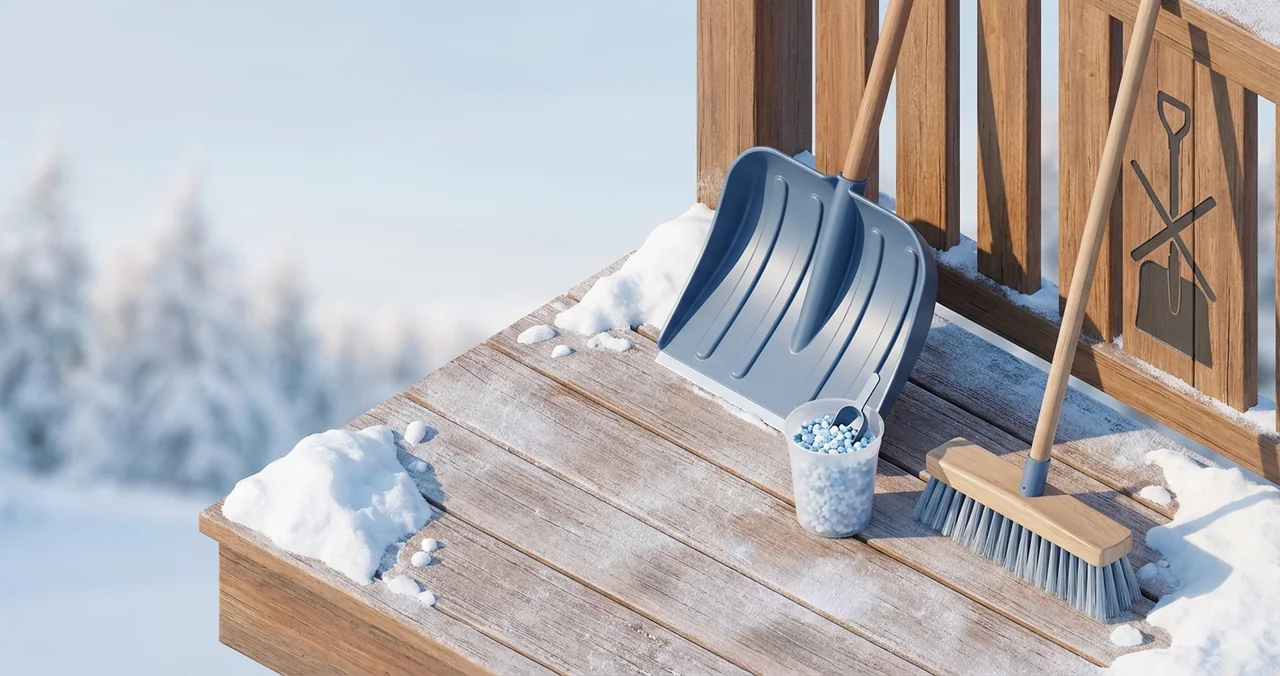
* Use a plastic shovel: Avoid using metal shovels, as they can scratch and damage the decking material.
* Shovel in the direction of the grain: For wood decks, shovel in the direction of the wood grain to prevent splintering.
* Clear snow evenly: Remove snow evenly across the deck to prevent uneven weight distribution, which can stress the structure.
* Don't let snow accumulate: Aim to remove snow after each significant snowfall (typically 6 inches or more) to prevent it from compacting and turning into ice.
- Ice Melt Alternatives:
* Rock Salt: While effective at melting ice, rock salt can be corrosive to metal fasteners and harmful to plants. Use it sparingly and rinse it off the deck as soon as possible.
* Calcium Chloride: Less corrosive than rock salt, calcium chloride is a better option for decks. However, it can still damage plants and concrete.
* Magnesium Chloride: Considered the least harmful ice melt option, magnesium chloride is less corrosive and less damaging to plants.
* Kitty Litter/Sand: Provides traction on icy surfaces but does not melt ice.
- Consider a Roof Over Your Deck: While a more substantial investment, installing a roof over your deck can significantly reduce snow accumulation and protect it from the elements year-round. This is especially useful in areas that receive heavy snowfall. This can increase the initial Deck Cost in Salt Lake City: Local Pricing for 2026.
5. Protecting Your Deck Furniture
Don't forget to protect your deck furniture during the winter months.
- Store Furniture Indoors: If possible, store your deck furniture indoors (e.g., in a garage, shed, or basement). This will protect it from the elements and extend its lifespan.
- Cover Furniture: If you can't store your furniture indoors, cover it with waterproof furniture covers. Choose covers that are specifically designed for outdoor use and that are breathable to prevent moisture buildup. Secure the covers tightly to prevent them from blowing away in the wind.
- Elevate Furniture: Elevate furniture off the deck surface to prevent moisture from trapping underneath and causing damage. Use bricks, blocks, or furniture risers.
6. Check Deck Lighting and Electrical Components
- Inspect wiring: Look for any exposed or damaged wiring. Have any electrical issues repaired by a qualified electrician.
- Protect outdoor outlets: Cover outdoor outlets with weatherproof covers to prevent moisture from entering.
- Remove or cover lights: Remove string lights or other decorative lighting. If you leave them up, make sure they are designed for outdoor use and are securely fastened.
7. Hiring a Professional Deck Contractor
If you're not comfortable performing these winterizing tasks yourself, consider hiring a professional deck contractor. A contractor can:
- Inspect your deck for hidden damage.
- Make necessary repairs.
- Apply sealant or stain.
- Provide advice on winterizing your deck for Utah's specific climate.
Finding a reliable contractor is key. Look for local companies with good reviews and experience with Utah's climate.
Dealing with Ice Dams on Your Deck
Ice dams can form when snow melts and refreezes at the edge of your deck. These dams can trap water and cause significant damage.
- Preventative Measures:
* Ensure proper deck slope: Make sure your deck is properly sloped to allow water to drain away from the house.
* Improve ventilation: Adequate ventilation beneath the deck can help prevent ice dams from forming.
- Removing Ice Dams:
* Use a roof rake: A roof rake can be used to remove snow from the edge of the deck, preventing ice dams from forming.
* Ice melt socks: Place ice melt socks along the edge of the deck to melt the ice.
* Hire a professional: If you're unable to remove the ice dams yourself, hire a professional to do it safely.
Choosing the Right Decking Material for Utah's Climate
The type of decking material you choose can significantly impact how well your deck withstands Utah's winters.
- Wood:
* Pros: Natural look, relatively inexpensive.
* Cons: Requires regular maintenance, susceptible to rot, insects, and UV damage.
- Composite:
* Pros: Low maintenance, durable, resistant to rot and insects, long lifespan.
* Cons: More expensive than wood, can get hot in direct sunlight.
- PVC:
* Pros: Extremely low maintenance, resistant to rot, insects, and UV damage, lightweight.
* Cons: Most expensive option, can look less natural than wood or composite.
Consider the pros and cons of each material when choosing the right decking for your Utah home. Best Decking Material for Utah's Climate: Snow, Sun & Altitude goes deeper into this.
Budgeting for Deck Winterization
The cost of winterizing your deck can vary depending on the size of your deck, the type of materials you use, and whether you hire a professional. Here's a general idea of what you can expect to pay:
- Cleaning supplies: \$20-\$50
- Sealant or stain: \$50-\$100 per gallon (covers 250-350 sq ft)
- Repair materials: Varies depending on the extent of the repairs.
- Furniture covers: \$50-\$200
- Professional winterization: \$200-\$500+
🎨 Not sure which material to pick?
Upload a photo of your backyard and see exactly how Trex, TimberTech, or cedar would look — free and instant.
Frequently Asked Questions
How often should I seal my wood deck in Utah?
It's generally recommended to seal your wood deck every 1-3 years, depending on the type of sealant used and the level of exposure to the elements. A good rule of thumb is to perform the "water bead test." If water no longer beads up on the surface of the deck, it's time to reseal.
Can I use regular table salt to melt ice on my deck?
No, it's not recommended. Regular table salt contains additives that can damage decking materials and harm plants. Use ice melt products specifically designed for decks, such as calcium chloride or magnesium chloride.
Is it safe to use a metal snow shovel on a composite deck?
It's generally not recommended. While some composite decking is more resistant to scratches than others, a metal snow shovel can still cause damage. It's best to use a plastic shovel or a snow blower with a plastic blade guard.
What do I do if I find rot in my deck's substructure?
If you find rot in your deck's substructure, it's important to address it immediately. Contact a qualified deck contractor to assess the damage and make necessary repairs. Ignoring rot can compromise the structural integrity of your deck and create a safety hazard.
Should I remove snow from my deck after every snowfall?
Ideally, yes. Removing snow after each significant snowfall (typically 6 inches or more) will prevent it from compacting and turning into ice, which can cause damage. It also reduces the overall weight load on the deck structure.
My composite deck gets very hot in the summer. Will this damage it in the winter too?
While the heat absorption of composite decking is more of a summer concern, the expansion and contraction caused by temperature changes (both hot and cold) can contribute to stress on the material over time. Properly winterizing your deck, including cleaning and addressing any cracks or loose boards, will help mitigate potential damage from these temperature fluctuations.
📋 Planning a deck project?
Get a free manual project review from our team — no obligation, no spam.
Get Free Project Review →Upload a backyard photo and preview real decking materials with AI — free, instant, no sign-up.
Permits, costs, material comparisons, and questions to ask before requesting quotes — delivered to your inbox.