
Pressure-Treated Decking in Ontario (2026)
Planning a new deck in Ontario? Pressure-treated (PT) lumber is often the first material that comes to mind, and for good reason. It's the most budget-friendly...
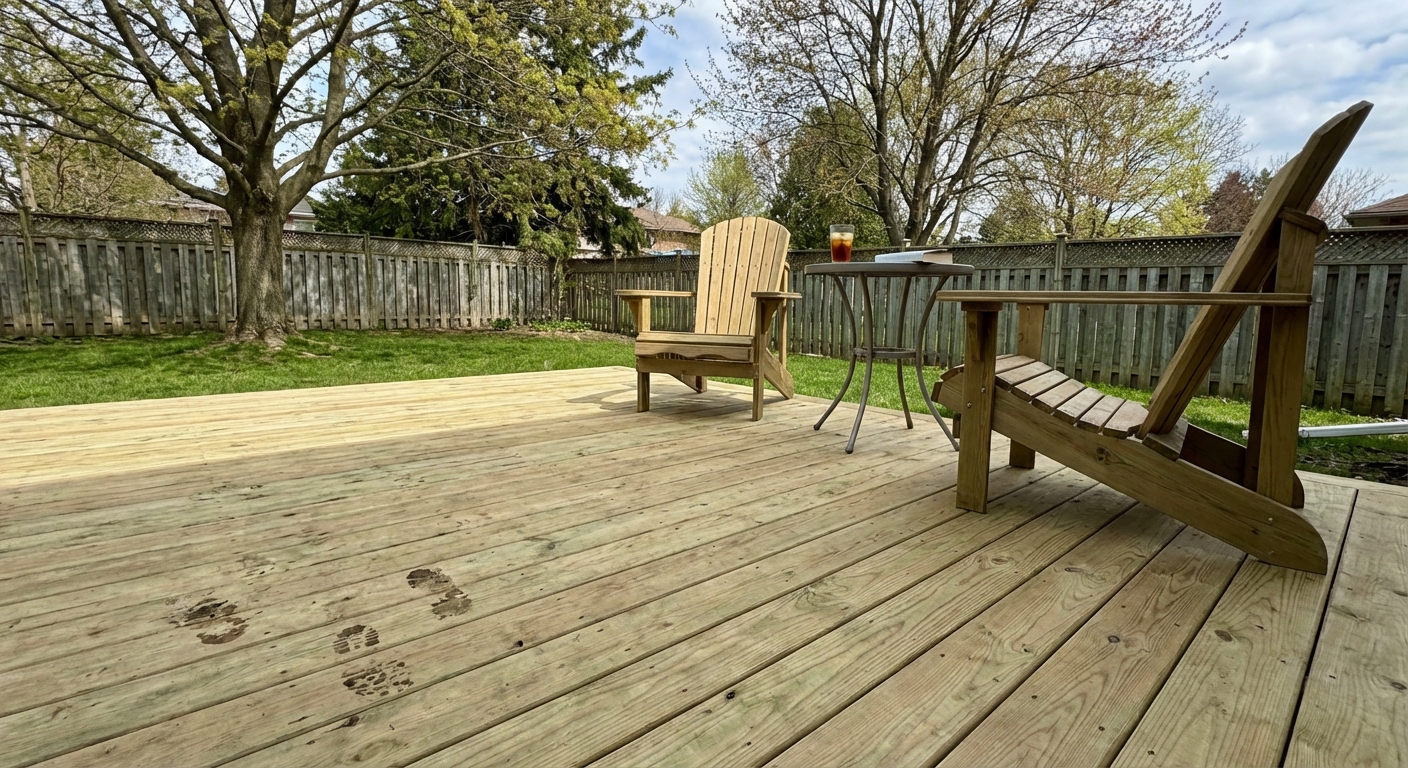
Pressure-Treated Decking: Your Ontario Guide to Affordability and Durability
Planning a new deck in Ontario? Pressure-treated (PT) lumber is often the first material that comes to mind, and for good reason. It's the most budget-friendly option, readily available, and relatively easy to work with. However, understanding the specifics of pressure-treated lumber and its performance in Ontario's unique climate is crucial for a long-lasting and enjoyable deck. This comprehensive guide covers everything you need to know about pressure-treated decking in Ontario.
🏗️ Planning a deck project?
Get a free manual project review, or visualize your dream deck with AI before requesting quotes.
What is Pressure-Treated Wood?
Pressure-treated wood is lumber that has been chemically treated to resist rot, decay, and insect infestation. This treatment extends its lifespan significantly, making it suitable for outdoor use. The most common treatment process now used is Alkaline Copper Quaternary (ACQ).
The ACQ Treatment Process:
The ACQ process involves placing the lumber in a large pressure vessel and forcing the ACQ solution deep into the wood's cells. This process ensures the preservative reaches all parts of the wood, providing long-lasting protection.
Grades of Pressure-Treated Lumber:
The type of treatment and the amount of preservative used vary depending on the intended use of the lumber. In Ontario, you'll generally find two main grades:
- Above-Ground: This grade is suitable for decking boards, railings, and other components that are not in direct contact with the soil. It has a lower concentration of preservative.
- Ground-Contact: This grade is designed for lumber that will be in direct contact with the ground or buried, such as posts and framing members. It contains a higher concentration of preservative to withstand the harsh conditions. Always use ground-contact rated lumber for posts and any framing member touching soil.
Pressure-Treated Decking Costs in Ontario
Understanding the cost of a pressure-treated deck is an essential part of your planning. Here's a breakdown of the potential expenses in Ontario:
- Material Cost per Square Foot: Expect to pay between $15-$25 per square foot for pressure-treated lumber, including decking boards, framing, posts, and hardware. This is just the cost of the materials, not installation.
- Installed Cost per Square Foot: The total installed cost, including labour and materials, typically ranges from $45-$65 per square foot. This figure can vary depending on the complexity of the design, the contractor you choose, and any additional features like railings, stairs, or built-in seating. This cost reflects prices as of late 2024; always get current quotes. For more detailed information, see Deck Cost Ontario Complete Guide.
- Typical 12x16 Deck Total Cost: A standard 12x16 deck (192 square feet) can cost anywhere from $8,600 to $12,500 installed with pressure-treated lumber. Keep in mind that these are just estimates, and actual costs may vary.
Pros of Pressure-Treated Decking
Pressure-treated lumber remains a popular choice for decks in Ontario for several compelling reasons:
- Most Affordable Option: Compared to composite, cedar, or other decking materials, pressure-treated lumber is the most economical choice upfront.
- Easy to Work With: PT lumber is easy to cut, drill, and fasten, making it a relatively straightforward material for DIY projects or for professional deck builders. Check out How to Build a Deck Step by Step for more details.
- Readily Available: You can find pressure-treated lumber at almost any lumber yard or home improvement store in Ontario, including Home Depot, Lowe's, and smaller, local suppliers.
- Stainable: Pressure-treated lumber can be stained any colour to match your home's exterior or personal preferences. Choose a stain specifically designed for treated wood and follow the manufacturer's instructions for best results. See Deck Staining Ontario for more information on staining.
Cons of Pressure-Treated Decking
While pressure-treated lumber offers many advantages, it's essential to be aware of its drawbacks:
- Maintenance Required: Pressure-treated decks require regular maintenance, including cleaning, staining, or sealing, every 2-3 years. This helps protect the wood from the elements and prevent warping, cracking, and decay.
- Warping and Cracking: Ontario's freeze-thaw cycles can be hard on pressure-treated lumber, leading to warping, cracking, and splintering over time. Proper construction and maintenance can help mitigate these issues.
- Splinters: As the wood ages, it can develop splinters, requiring sanding or other treatments to maintain a smooth surface.
- Shorter Lifespan: Compared to composite decking, pressure-treated lumber typically has a shorter lifespan, generally 15-20 years with proper maintenance. Composite decking can last 25+ years.
Pressure-Treated Decking Maintenance Schedule for Ontario
Proper maintenance is vital for extending the life of your pressure-treated deck in Ontario. Follow this schedule:
- Wait 3-6 Months Before First Stain/Seal: After installation, allow the lumber to dry and acclimate to the environment before applying a stain or sealant. This ensures the treatment chemicals have time to leach out, allowing the stain to penetrate properly.
- Stain/Seal Every 2-3 Years: Reapply stain or sealant every 2-3 years to protect the wood from moisture, UV rays, and other environmental factors.
- Power Wash Annually: Power wash your deck annually to remove dirt, mildew, and debris. Use a low-pressure setting to avoid damaging the wood. Check out Deck Maintenance Kitchener Annual Checklist for a detailed maintenance plan.
- Inspect Regularly: Regularly inspect your deck for signs of rot, decay, or insect damage. Pay particular attention to the ledger board (where the deck attaches to the house) and joists.
Best Practices for Pressure-Treated Decking in the Ontario Climate
Ontario's climate presents unique challenges for deck construction. Here are some best practices to ensure a long-lasting and safe pressure-treated deck:
- Proper Footing Depth: Ensure your deck footings extend below the frost line, which is typically 4 feet in most areas of Ontario. This prevents the footings from heaving due to freezing and thawing. Consult the Ontario Building Code (OBC) for specific requirements.
- Joist Tape: Apply joist tape to the tops of the joists to protect them from moisture and decay. This adds a layer of protection against water penetration, which is especially important in Ontario's wet climate.
- Proper Ventilation: Ensure adequate ventilation underneath the deck to prevent moisture buildup and promote drying. This can be achieved by leaving sufficient space between the deck surface and the ground or by installing vents.
- Ground-Contact Rated Lumber: Use ground-contact rated lumber for all posts and any framing members that will be in contact with the soil. This is essential for preventing rot and decay.
Pressure-Treated vs. Composite Decking (Brief Comparison)
Composite decking is a popular alternative to pressure-treated lumber, offering several advantages, including low maintenance, durability, and resistance to rot and insect damage. However, it also comes with a higher upfront cost. For a more in-depth comparison, read Composite vs Wood Decking Ontario.
Here's a quick overview:
- Cost: Pressure-treated is significantly cheaper upfront.
- Maintenance: Composite requires virtually no maintenance beyond cleaning.
- Lifespan: Composite lasts longer (25+ years vs 15-20 years).
- Aesthetics: Both offer various colours and styles, but wood provides a natural look.
Pressure-Treated vs. Cedar Decking
Cedar is a naturally rot-resistant wood that offers a beautiful aesthetic. While it's more expensive than pressure-treated lumber, it's often favoured for its natural beauty and resistance to insects. Read Cedar vs Pressure-Treated Ontario for a detailed comparison.
Here's a quick comparison:
- Cost: Pressure-treated is much cheaper.
- Rot Resistance: Cedar is naturally rot-resistant, but pressure-treated is chemically treated.
- Aesthetics: Cedar has a natural, reddish-brown hue that many find appealing.
- Maintenance: Both require maintenance, but cedar requires less frequent staining.
Where to Buy Pressure-Treated Lumber in Ontario
You can find pressure-treated lumber at various locations throughout Ontario:
- Home Depot: A large selection of pressure-treated lumber at competitive prices.
- Lowe's: Another major home improvement retailer offering a wide range of lumber and decking materials.
- Local Lumber Yards: Smaller, independent lumber yards often provide personalized service and may offer better quality lumber than big-box stores. They may also carry different grades or species of pressure-treated lumber.
When to Replace Your Pressure-Treated Deck
Even with proper maintenance, pressure-treated decks will eventually need to be replaced. Here are some signs that it's time to consider replacing your deck:
- Signs of Structural Failure: Sagging, leaning, or unstable posts or beams indicate a structural problem that needs to be addressed immediately.
- Soft Spots: Soft spots in the decking or framing indicate rot and decay.
- Widespread Rot: If rot is widespread, it's generally more cost-effective to replace the entire deck rather than attempting to repair it.
FAQ Section
Here are some frequently asked questions about pressure-treated decking in Ontario:
What is the best time of year to build a pressure-treated deck in Ontario? The best time to build a deck in Ontario is generally during the spring, summer, or early fall. The weather is typically more favourable during these months, making it easier to work outdoors. Avoid building during the winter months due to snow, ice, and frozen ground. See Best Time to Build a Deck Ontario for more information.
Do I need a permit to build a deck in Ontario? In most municipalities in Ontario, you will need a building permit to construct a deck. Contact your local building department to determine the specific requirements in your area. They can advise you on setback requirements, size restrictions, and other regulations.
Can I paint pressure-treated lumber instead of staining it? While you can paint pressure-treated lumber, stain is generally a better option. Stain penetrates the wood, providing better protection from the elements, while paint sits on the surface and is more prone to peeling and chipping. If you choose to paint, use a high-quality exterior paint specifically designed for treated wood.
How do I dispose of old pressure-treated lumber in Ontario? Pressure-treated lumber cannot be burned or disposed of in landfills. Contact your local waste management authority for proper disposal guidelines. Some recycling facilities may accept pressure-treated lumber for reuse or processing.
What type of screws should I use for pressure-treated decking? Use screws specifically designed for use with pressure-treated lumber. These screws are typically coated or made of stainless steel to resist corrosion from the chemicals in the treated wood. Avoid using galvanized screws, as they can corrode over time.
How often should I clean my pressure-treated deck in Ontario? You should clean your pressure-treated deck at least once a year, preferably in the spring. This will remove dirt, mildew, and debris that can accumulate over the winter months. Use a deck cleaner and a scrub brush to thoroughly clean the deck surface. You can also use a pressure washer on a low-pressure setting, but be careful not to damage the wood.
Upload a backyard photo and preview real decking materials with AI — free, instant, no sign-up.
Permits, costs, material comparisons, and questions to ask before requesting quotes — delivered to your inbox.