
PVC Decking in Texas: How It Handles the Heat
Planning a Texas deck? See how PVC decking stands up to scorching heat, intense sun, and humidity. Pros, cons, costs, and expert tips for Texas homeowners.
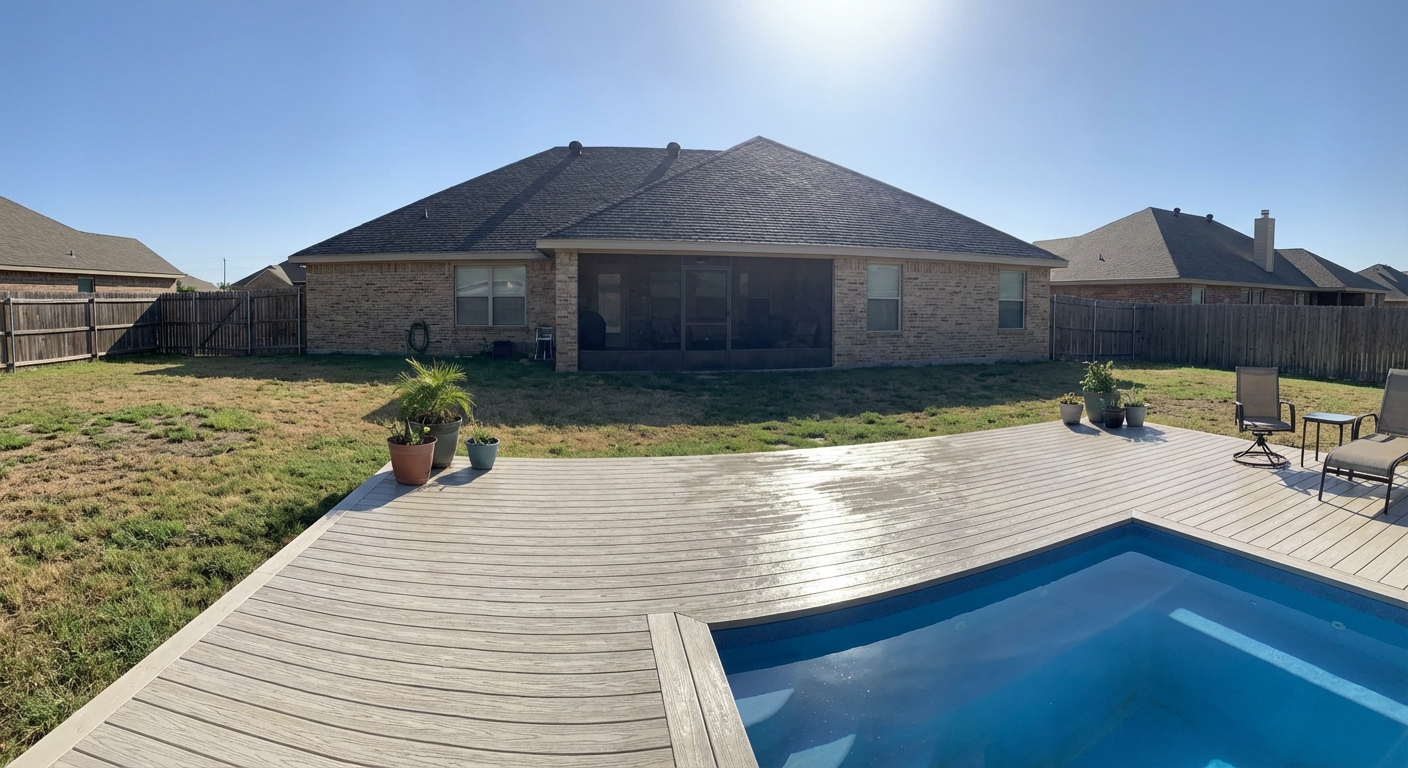
If you're dreaming of a new deck in Texas, you're probably wondering how different materials will hold up to the state's intense climate. The Texas sun is unforgiving, and summers can be brutal, pushing temperatures well into the 95-105°F range. This raises a crucial question: Will PVC decking survive—and thrive—in the Texas heat? This guide breaks down everything you need to know about PVC decking for your Texas home.
🌳 Tool Alert: Material Comparison
PT vs Composite vs Cedar. Compare 25-year total cost of ownership including maintenance.
Compare Materials →Understanding PVC Decking
Looking for more regional information? Check out our Texas State Decking Hub.
🏗️ Planning a deck project?
Get a free manual project review, or visualize your dream deck with AI before requesting quotes.
PVC (polyvinyl chloride) decking is a type of plastic lumber made entirely of PVC. Unlike composite decking, which blends wood fibers with plastic, PVC decking is 100% plastic. This composition gives it some unique advantages in hot, humid climates like Texas.
Advantages of PVC Decking in Texas
- Heat Resistance: PVC decking is designed to withstand high temperatures without warping or cracking. While composite decking can absorb heat and become uncomfortably hot (surface temps exceeding 150°F are common in direct sun), PVC tends to stay cooler.
- Moisture Resistance: Texas Gulf Coast areas like Houston are prone to high humidity and rainfall. PVC decking is completely waterproof, resisting mold, mildew, and rot. This is a major advantage over wood decking, which requires regular sealing and staining to prevent water damage.
- Low Maintenance: Unlike wood, PVC decking doesn't need to be stained, sealed, or painted. A simple wash with soap and water is usually enough to keep it clean. This can save you significant time and money over the life of your deck.
- Termite Resistance: Termites are a major concern for Texas homeowners, especially in warmer regions. PVC decking is impervious to termite damage, providing long-term peace of mind.
- UV Resistance: High-quality PVC decking contains UV inhibitors that protect against fading and discoloration from the intense Texas sun. Look for brands specifically designed for high-UV environments.
Disadvantages of PVC Decking
- Cost: PVC decking is generally more expensive than pressure-treated wood and some types of composite decking. However, the long-term savings on maintenance can offset the initial cost.
- Appearance: While PVC decking has improved significantly in recent years, some homeowners still find it less aesthetically pleasing than natural wood. However, many high-end PVC options now mimic the look of real wood grain.
- Expansion and Contraction: Like all materials, PVC decking expands and contracts with temperature changes. Proper installation is crucial to accommodate this movement and prevent buckling or gapping.
<!-- slot:after-intro -->
Choosing between composite and wood? Our composite vs wood decking breaks down the real costs over 10 years. For full installed pricing by material type, see our complete deck cost guide for Texas.
Cost of PVC Decking in Texas
The cost of PVC decking in Texas varies depending on the brand, thickness, and color. Here's a general comparison of installed deck costs per square foot:
| Material | Cost per Square Foot (Installed) |
| ----------------- | -------------------------------- |
| Pressure-Treated | $25-45 |
| Cedar | $35-55 |
| Composite | $45-75 |
| Trex (Composite) | $50-80 |
| PVC | $60-90 |
| Ipe (Hardwood) | $60-100 |
While PVC decking sits at the higher end of the price range, remember that Texas has no state income tax. This often means you have more disposable income to invest in higher-quality, longer-lasting home improvements like PVC decking. Explore Composite Deck Cost in Texas: What to Expect in 2026 for further cost comparisons.
Choosing the Right PVC Decking for Texas
Not all PVC decking is created equal. Here's what to look for when selecting PVC decking for your Texas home:
- UV Protection: Ensure the decking contains high levels of UV inhibitors to prevent fading and degradation. Ask the manufacturer for data on UV resistance testing.
- Thickness: Thicker decking boards are generally more durable and resistant to warping. Consider boards that are at least 1 inch thick.
- Cooling Technology: Some PVC decking brands incorporate cooling technology to reduce heat absorption. This can make a significant difference in surface temperature during the hot Texas summer.
- Warranty: Look for a manufacturer's warranty that covers fading, staining, and structural defects. A longer warranty indicates the manufacturer's confidence in the product's durability.
- Color: Lighter colors tend to reflect more heat than darker colors. Consider lighter shades of gray, beige, or white to keep your deck cooler.
Installation Considerations in Texas
Proper installation is crucial for ensuring the longevity and performance of your PVC deck. Here are some Texas-specific factors to keep in mind:
- Permits: Most Texas cities require permits for decks larger than 200 square feet or higher than 30 inches above grade. Check with your local building department for specific requirements.
* Houston: No zoning, but permits are required from the City of Houston Permitting Center.
* Dallas: Permits are obtained through Dallas Development Services, with fees ranging from $200-500.
* Austin: Permits are notoriously slow to process through Austin Development Services (often 8-12 weeks).
* San Antonio: Permits are processed relatively quickly through the Development Services Dept.
- Frost Line: Texas has a shallow frost line (6-12 inches in most areas), which means you don't need to dig as deep for deck footings as you would in colder climates. This can save you money on construction costs.
- Expansion Gaps: Leave adequate expansion gaps between decking boards and at the ends of the deck to accommodate thermal expansion. Follow the manufacturer's recommendations for gap spacing.
- Fasteners: Use high-quality stainless steel or coated screws specifically designed for PVC decking. These fasteners will resist corrosion and provide a secure hold.
- Ventilation: Ensure adequate ventilation under the deck to prevent moisture buildup. This is especially important in humid areas like Houston.
- Best Build Months: The best months for deck building in Texas are typically October through April, avoiding the peak summer heat.
Design Ideas for Texas Decks
Texas homeowners often incorporate these features into their deck designs:
- Covered Decks: Provide shade and protection from the sun and rain.
- Outdoor Kitchens: Create a functional outdoor cooking and dining space.
- Pool Decks: Extend your pool area with a comfortable and slip-resistant surface.
- Shade Structures: Pergolas, arbors, and awnings can provide additional shade and visual interest.
Use PaperPlan (paperplan.app) to visualize your deck with PaperPlan design with different materials and layouts before committing to a contractor. Experiment with different PVC decking colors, railing styles, and shade structures to create the perfect outdoor space for your Texas home.
<!-- slot:mid-content -->
PVC Decking Brands for Texas Climates
Several PVC decking brands are well-suited for the Texas climate. Here are a few popular options:
- Azek: Known for its durability, stain resistance, and realistic wood-grain appearance. Azek offers a wide range of colors and textures.
- TimberTech AZEK: A premium PVC decking option that combines the beauty of wood with the low-maintenance benefits of plastic.
- Wolf Serenity Decking: Offers a wide range of colors and textures, including options that mimic exotic hardwoods.
When selecting a brand, be sure to check customer reviews and compare warranties to ensure you're getting the best value for your money.
Maintenance Tips for PVC Decks in Texas
While PVC decking is low-maintenance, here are a few tips to keep your deck looking its best:
- Regular Cleaning: Wash your deck with soap and water every few months to remove dirt and debris.
- Pressure Washing: Use a low-pressure setting to remove stubborn stains. Avoid using harsh chemicals or abrasive cleaners.
- Snow Removal: In the rare event of snow or ice, use a plastic shovel to avoid scratching the surface.
- Sun Protection: While PVC decking is UV resistant, adding shade structures can further protect your deck from the sun's harmful rays.
<!-- slot:before-faq -->
🎨 Not sure which material to pick?
Upload a photo of your backyard and see exactly how Trex, TimberTech, or cedar would look — free and instant.
Frequently Asked Questions
Is PVC decking slippery when wet?
Some PVC decking can be slippery when wet, especially if it has a smooth surface. Look for decking with a textured surface to improve traction. Consider adding non-slip mats or runners in high-traffic areas.
How long will a PVC deck last in Texas?
With proper installation and maintenance, a PVC deck can last for 25-50 years or even longer in Texas. The longevity of your deck will depend on the quality of the materials, the installation techniques, and the amount of exposure to the elements.
Can PVC decking be painted or stained?
While PVC decking is designed to be maintenance-free, it can be painted or stained if you want to change the color. However, it's essential to use paints and stains specifically designed for PVC to ensure proper adhesion and prevent damage to the decking.
Does PVC decking get hot in the sun?
While PVC decking generally stays cooler than composite decking, it can still get hot in direct sunlight. Lighter colors tend to reflect more heat than darker colors. Consider adding shade structures or using cooling technology to reduce surface temperatures.
<!-- slot:end -->
PVC decking can be an excellent choice for your Texas deck, offering durability, low maintenance, and resistance to the elements. By carefully selecting the right brand, ensuring proper installation, and following basic maintenance tips, you can enjoy your PVC deck for many years to come. Be sure to consult with a qualified deck builder to discuss your specific needs and design preferences. You can also explore Do You Need a Deck Permit in Texas? State & City Rules Explained to better understand the permitting process.
📋 Planning a deck project?
Get a free manual project review from our team — no obligation, no spam.
Get Free Project Review →Upload a backyard photo and preview real decking materials with AI — free, instant, no sign-up.
Permits, costs, material comparisons, and questions to ask before requesting quotes — delivered to your inbox.