
Aluminum vs Wrought Iron Fence in Ontario
Aluminum vs wrought iron fence comparison for Ontario homes. Real costs, maintenance, durability in freeze-thaw climate, and which metal fence is worth it.
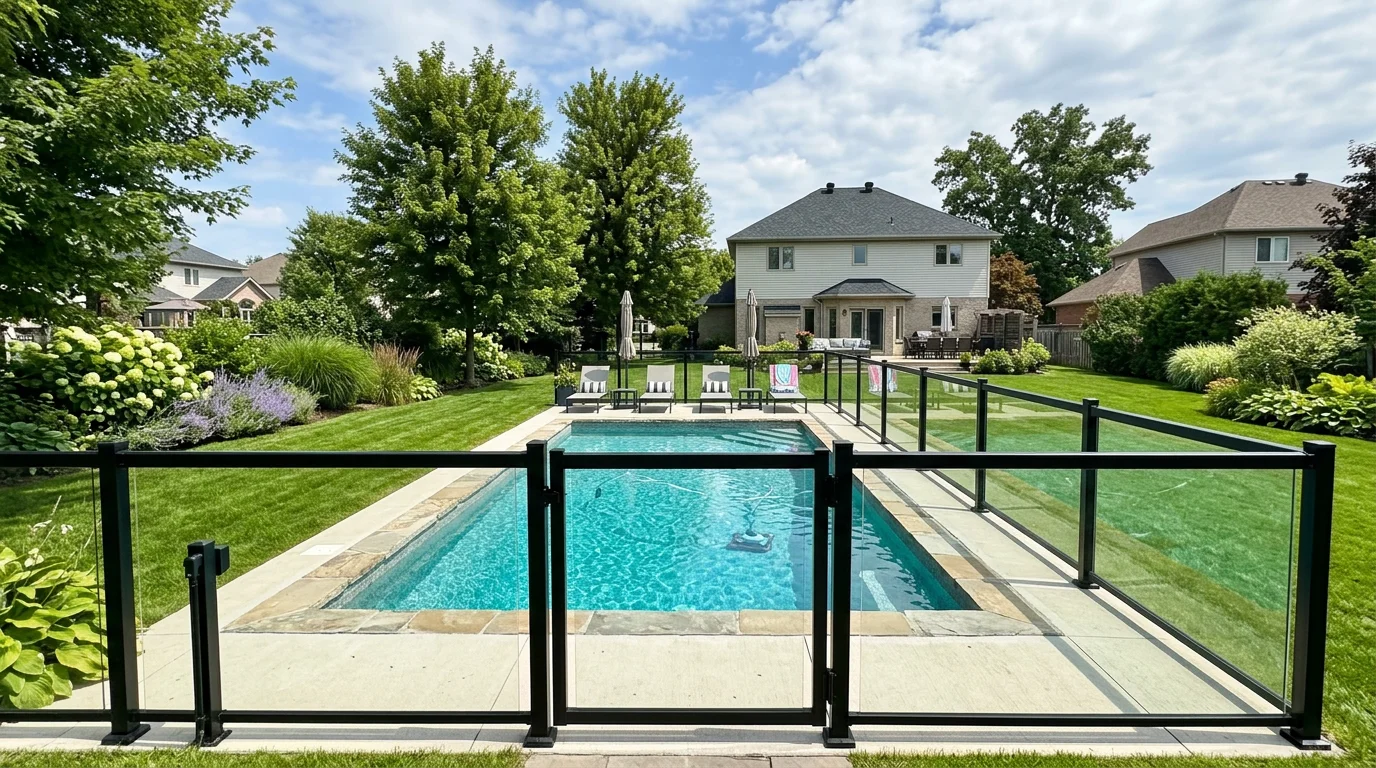
You're choosing between aluminum and wrought iron for your Ontario fence, and the price gap alone makes you wonder if wrought iron is worth the premium. The short answer: modern aluminum fences look nearly identical to wrought iron from 10 feet away, cost half as much, and require zero maintenance. True wrought iron is beautiful but expensive, high-maintenance, and overkill for most residential properties.
Here's what actually separates these two metals in Ontario's freeze-thaw climate.
What's the Real Difference?
Wrought iron is a traditional forged metal alloy with very low carbon content. It's dense, heavy, and historically hand-crafted. Most "wrought iron" fences today are actually mild steel with a powder coating—still heavier and more prone to rust than aluminum, but not true wrought iron.
🏗️ Planning a deck project?
Get a free manual project review, or visualize your dream deck with AI before requesting quotes.
Aluminum is a lightweight, corrosion-resistant metal that's extruded into hollow tubes. It's powder-coated for color and UV resistance. Modern aluminum fencing mimics wrought iron designs with nearly identical profiles.
The key difference for Ontario homeowners: aluminum doesn't rust. Wrought iron and steel corrode when exposed to moisture, road salt, and freeze-thaw cycles—all of which define Ontario winters.
Cost Comparison: What You'll Actually Pay
Here's what installed metal fencing costs in Ontario in 2026:
| Fence Type | Cost per Linear Foot (Installed) | 100 ft Fence Total |
|------------|----------------------------------|-------------------|
| Aluminum (residential grade) | $50–$80 | $5,000–$8,000 |
| Wrought iron / mild steel | $75–$120+ | $7,500–$12,000+ |
| True wrought iron (custom) | $150–$300+ | $15,000–$30,000+ |
Aluminum is 30–50% cheaper than wrought iron for comparable styles. The gap widens with taller fences and decorative finials.
What affects price:
- Height: 4 ft front yard vs 6 ft pool enclosure
- Style: Simple picket vs ornamental spear-top or double-ring designs
- Gates: Walk gates ($400–$800), double drive gates ($1,200–$2,500)
- Site prep: Sloped yards, concrete drilling, post removal
- Manufacturer: Big-box store kits vs premium brands like Westbury or Berkley
You'll pay more for aluminum than vinyl or chain-link, but far less than wrought iron—with better longevity than both.
Durability in Ontario's Climate
Ontario's freeze-thaw cycles, road salt, and summer humidity are brutal on metal fences. Here's how each holds up:
Aluminum Durability
Strengths:
- Doesn't rust or corrode: Aluminum oxidizes into a protective layer that prevents further deterioration
- Flexible in freeze-thaw: Expands and contracts without cracking
- Salt-resistant: Road salt won't corrode aluminum the way it attacks steel
- UV-stable powder coating: Color lasts 15–20+ years without fading
- Lightweight: Won't sag or lean over time
Weaknesses:
- Dents easier: A lawnmower impact will dent aluminum more than steel
- Lower tensile strength: Not ideal for high-impact areas (e.g., next to a driveway where cars could back into it)
Lifespan in Ontario: 25–30+ years with zero maintenance.
Wrought Iron Durability
Strengths:
- Extremely strong: Solid steel bars resist bending and impacts
- Classic appearance: Authentic texture and weight
- Repairable: Welds and repairs are more durable than aluminum fixes
Weaknesses:
- Rusts aggressively in Ontario: Moisture and salt cause rust within 2–5 years if the coating is damaged
- Requires regular maintenance: Scraping rust, priming, repainting every 3–5 years
- Heavy: Posts require deeper footings (below frost line, 4 ft deep minimum)
- Coating cracks in freeze-thaw: Paint chips expose bare metal to corrosion
Lifespan in Ontario: 20–30+ years *if maintained religiously*. Many homeowners see rust damage within 10–15 years due to deferred maintenance.
Maintenance: What You'll Actually Do
Aluminum Maintenance
Annual tasks:
- Hose off dirt and road salt in spring
- Optional: Mild soap and water for stubborn grime
That's it. No scraping, sanding, priming, or painting. Ever.
Wrought Iron Maintenance
Every 3–5 years:
1. Scrape rust spots with a wire brush or grinder
2. Apply rust converter to affected areas
3. Prime bare metal with rust-inhibiting primer
4. Repaint with exterior-grade metal paint
Annual tasks:
- Inspect for rust, especially at welds, post bases, and gate hinges
- Touch up paint chips immediately to prevent rust spread
Labor cost for professional refinishing: $10–$20/linear foot every 3–5 years. DIY takes 1–2 full weekends for a 100 ft fence.
Most Ontario homeowners underestimate this maintenance burden. Wrought iron fences that aren't maintained rust aggressively—especially at ground level where snow and salt accumulate.
Appearance: Can You Tell the Difference?
From 10 feet away, you can't tell modern aluminum from wrought iron unless you're trained to look for it.
Visual differences (close-up):
- Aluminum: Hollow tubes, visible seams at corners if poorly manufactured
- Wrought iron: Solid bars, heavier visual weight, hand-forged texture on custom pieces
Color options (both):
- Black (most popular)
- Bronze
- White
- Custom powder coat colors
Styles available in both materials:
- Flat-top picket
- Spear-top (ornamental)
- Double-ring or triple-ring
- Puppy picket (narrower spacing at bottom)
If you want a custom, hand-forged look with unique scrollwork, true wrought iron is your only option. But for standard residential styles (spear-top, flat-top, puppy picket), aluminum replicates the look at half the cost.
Installation Considerations
Aluminum Installation
- Post depth: 2–3 ft deep (less critical since aluminum is lightweight)
- Footing: Concrete or gravel, easier to adjust post-install
- Slope handling: Racks (follows slope) or steps (level sections)—both look clean with aluminum
DIY-friendly? Yes, if you're comfortable with post-hole digging and leveling. Big-box stores sell kits with brackets and pre-cut panels.
Wrought Iron Installation
- Post depth: 4 ft minimum (below Ontario's 4 ft frost line) due to weight
- Footing: Always concrete, requires more planning for frost heave
- Slope handling: Custom fabrication often required for racking on slopes
DIY-friendly? Not really. Weight and welding requirements make this a pro job.
Both materials require fence permits in most Ontario municipalities if over 4 ft tall. Check fence permit requirements for your area.
When to Choose Aluminum
Choose aluminum if you want:
- Low maintenance: Zero annual upkeep beyond hosing off
- Budget-conscious durability: Best cost-per-year value in Ontario
- Pool enclosure: Building code requires 5 ft+ non-climbable fence—aluminum meets code at lower cost
- Salt exposure: Properties near roads, driveways, or sidewalks
- Standard ornamental look: Spear-top, flat-top, or puppy picket designs
Aluminum is the default choice for 90% of Ontario residential metal fences. It looks great, lasts 25+ years, and you'll never think about it again after installation.
When to Choose Wrought Iron
Choose wrought iron if you want:
- Custom scrollwork or unique designs: Hand-forged artistic elements
- Maximum strength: High-impact areas (commercial properties, gates that see heavy use)
- Historic restoration: Matching existing ironwork on heritage homes
- You're committed to maintenance: You enjoy restoring and maintaining classic materials
Wrought iron makes sense for statement pieces—a custom front gate, a small courtyard enclosure—where the aesthetic justifies the cost and upkeep. For 100+ linear feet of backyard fencing, aluminum is smarter.
Permit and Code Requirements
Both aluminum and wrought iron must meet Ontario Building Code and local bylaws:
Height limits (typical):
- Front yard: 3–4 ft max without variance
- Side/rear yard: 6 ft max
- Pool enclosure: 5 ft minimum, non-climbable (spacing under 4 inches)
Setbacks:
- Usually 1–3 ft from property line (check setback rules for your municipality)
Permit cost: $50–$200 depending on city. Required for most fences over 4 ft tall.
Metal fences typically pass inspection easily since they're pre-manufactured to code. Wrought iron may require engineered drawings if posts are unusually spaced or the fence is over 6 ft tall.
Resale Value and Curb Appeal
Both materials add curb appeal, but aluminum delivers better ROI:
- Lower upfront cost means faster payback
- Zero maintenance history is attractive to buyers (no rust worries)
- Looks identical to wrought iron from the street
Buyers don't pay a premium for wrought iron unless it's truly custom or historic. They *do* appreciate a well-maintained aluminum fence that looks great and requires zero work.
Metal fencing typically adds $5,000–$8,000 to resale value for a fully fenced yard, regardless of whether it's aluminum or wrought iron—so aluminum's lower cost makes it a better financial decision.
Installation Timeline
Aluminum: 1–3 days for a typical residential install (100–150 linear feet). Faster if the ground is level and accessible.
Wrought iron: 2–5 days due to heavier posts, deeper footings, and potential custom fabrication. Concrete footings need 24–48 hours to cure before attaching panels.
Both require 1–2 weeks lead time for materials if ordering custom colors or heights.
🎨 Not sure which material to pick?
Upload a photo of your backyard and see exactly how Trex, TimberTech, or cedar would look — free and instant.
Common Questions
Can you repair aluminum if it's damaged?
Yes, but dents are permanent unless you replace the entire section. Most manufacturers sell individual pickets and rails, so you can swap out damaged pieces. Scratched powder coating can be touched up with matching paint, but it won't be invisible. Wrought iron can be welded and repainted to look seamless.
Does aluminum fence attract lightning?
No more than wrought iron or any other grounded metal object. If you're concerned about lightning near trees or open areas, proper grounding applies to both materials equally. Lightning risk is not a reason to choose one over the other.
How does aluminum hold up to strong winds?
Aluminum fences are engineered for wind load, but picket-style fences (vertical bars with gaps) naturally allow wind to pass through. Solid-panel metal fences require stronger posts. Wrought iron's extra weight doesn't significantly improve wind resistance—proper post depth and concrete footings matter more. Both materials handle Ontario winds just fine when installed correctly.
Will aluminum fence posts frost heave in Ontario?
Aluminum's lighter weight makes frost heave *less* likely than wrought iron, but post depth still matters. Set posts 2–3 ft deep with a gravel base to allow drainage below the frost line (4 ft in Ontario). Concrete footings work too, but gravel reduces frost pressure. Wrought iron's heavier weight increases the risk of frost heave if posts aren't set deep enough.
Can I install aluminum fence on a sloped yard?
Yes. Aluminum fences can rack (pickets remain vertical while the top rail follows the slope) or step (level sections that drop in increments). Racking looks more seamless for gentle slopes; stepping works better for steep grades. Wrought iron can also rack or step, but often requires custom fabrication. Aluminum kits from big-box stores include racking brackets.
Upload a backyard photo and preview real decking materials with AI — free, instant, no sign-up.
Permits, costs, material comparisons, and questions to ask before requesting quotes — delivered to your inbox.