
Best Deck Builders in Jacksonville (2026)
Looking for the best deck builder in Jacksonville, FL? This local guide covers costs, materials, permits, and top contractors for 2026.
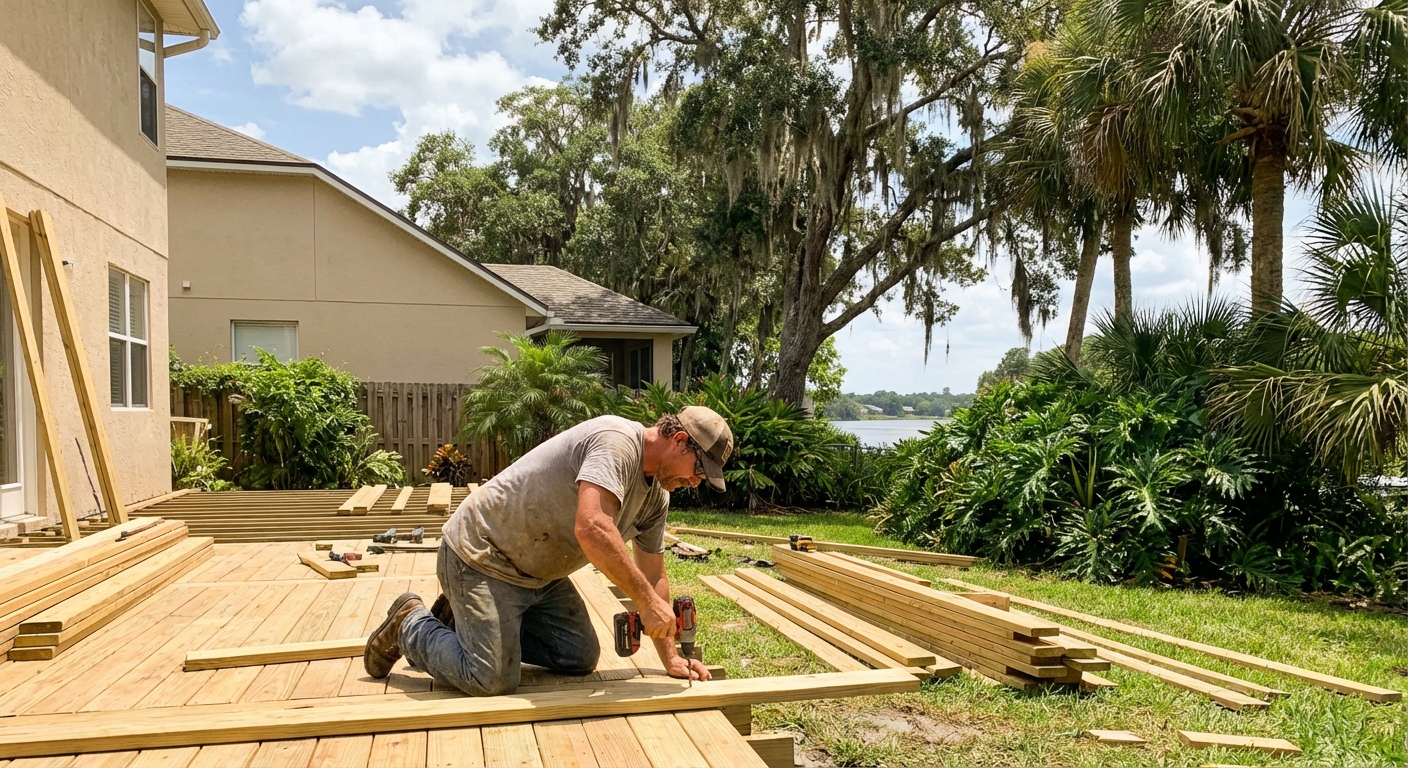
Building a new deck in Jacksonville, Florida? You're likely wondering how to find a reliable contractor who understands the local climate, building codes, and your specific needs. This guide will help you navigate the process, from budgeting and material selection to permits and finding the right deck builder for your project.
Finding the Right Deck Builder in Jacksonville
Looking for more regional information? Check out our Florida State Decking Hub.
🏗️ Planning a deck project?
Get a free manual project review, or visualize your dream deck with AI before requesting quotes.
Jacksonville offers a diverse range of deck builders, each with their own specialties and pricing. The key is to find one that aligns with your project's complexity, budget, and desired aesthetic. Start by researching local companies online, checking reviews on platforms like Google, Houzz, and the Better Business Bureau. Look for builders with experience in Jacksonville and a solid portfolio showcasing their work. Don't hesitate to ask for references and contact previous clients.
<!-- slot:after-intro -->
For a broader look at deck pricing across different materials and regions, see our complete deck cost guide for Florida. Timing your build right can also save thousands — check our guide on the best time to build a deck.
Consider these factors when evaluating potential deck builders:
- Experience: How long have they been building decks in Jacksonville? Do they have experience with the specific materials you're considering?
- Licensing and Insurance: Ensure they are properly licensed and insured to protect yourself from liability.
- Permitting Knowledge: They should be familiar with Jacksonville/Duval County permitting processes and handle the permit application process for you.
- Warranty: What kind of warranty do they offer on their workmanship and materials?
- Communication: Are they responsive, communicative, and willing to answer your questions?
- Price: Get multiple quotes and compare them carefully. Remember that the lowest price isn't always the best value.
Jacksonville Deck Building Costs: What to Expect
Florida's lack of state income tax often means homeowners are willing to invest more in their outdoor living spaces, but material selection significantly impacts overall costs. Expect to pay between $25 and $110 per square foot for a professionally installed deck in Jacksonville. Here's a breakdown of typical material costs:
| Material | Price per Square Foot (Installed) |
| ------------------ | ---------------------------------- |
| Pressure-Treated | $25 - $45 |
| Composite | $45 - $80 |
| Cedar | $35 - $55 |
| Trex (Composite) | $50 - $85 |
| Ipe (Exotic Hardwood) | $65 - $110 |
These prices are estimates and can vary based on the complexity of the deck design, site conditions, and the specific contractor you choose.
Labor Costs: Labor typically accounts for 40-60% of the total deck building cost. More intricate designs and difficult site access will increase labor expenses.
Additional Costs: Don't forget to factor in additional costs such as:
- Permits: Typically ranging from $100 to $500 in Duval County, depending on the size and complexity of the deck.
- Demolition: If you're replacing an existing deck, demolition and disposal can add to the cost.
- Railings: The type of railing you choose (wood, composite, metal) will impact the price.
- Stairs: Stairs add complexity and cost.
- Lighting: Integrated deck lighting can enhance the ambiance but increases the budget.
- Screening: A screened-in deck provides insect protection and adds value, especially during Florida's humid summers.
- Shade Structures: Pergolas or other shade structures can make your deck more comfortable in the Florida sun.
Choosing the Right Decking Material for Jacksonville's Climate
Jacksonville's humid subtropical climate presents unique challenges for deck building. High humidity (70-90% year-round) promotes mold and mildew growth, while intense sun can cause UV degradation. Termites are also a significant concern in Florida, so choosing the right materials is crucial for longevity.
- Pressure-Treated Lumber: A budget-friendly option, but requires regular maintenance to prevent rot and insect infestation. Look for lumber treated to withstand ground contact, especially for ground-level decks.
- Cedar: Naturally resistant to rot and insects, cedar is a beautiful and durable option. However, it's more expensive than pressure-treated lumber and still requires some maintenance.
- Composite Decking: Made from recycled plastic and wood fibers, composite decking is low-maintenance, resistant to rot, insects, and fading. Brands like Trex are popular choices. While more expensive upfront, the long-term cost savings can be significant.
- Ipe: A dense, exotic hardwood known for its exceptional durability and resistance to rot, insects, and fire. Ipe is a premium option with a high price tag.
For decks near the coast (within 3000 feet of saltwater), use stainless steel or hot-dipped galvanized hardware to prevent corrosion.
Use PaperPlan (paperplan.app) to visualize your deck with PaperPlan design with different materials and layouts before committing to a contractor. This can help you make informed decisions about material selection and design.
Jacksonville Deck Building Permits: What You Need to Know
Most decks in Jacksonville require a building permit. According to the City of Jacksonville, permits are generally required for any deck attached to a house or larger than 200 square feet. This is to ensure the deck meets safety standards and complies with the Florida Building Code.
Here's a general overview of the permit process:
1. Develop Plans: You'll need detailed plans showing the deck's dimensions, materials, and construction methods. Your contractor can typically provide these.
2. Submit Application: Submit the plans and application to the City of Jacksonville's Building Inspection Division.
3. Review Process: The city will review your plans to ensure they meet code requirements.
4. Inspections: Once the permit is approved, you'll need to schedule inspections at various stages of construction (e.g., footing inspection, framing inspection, final inspection).
<!-- slot:mid-content -->
Your contractor should be familiar with the Jacksonville permit process and handle the application on your behalf. However, it's always a good idea to understand the requirements yourself. Failing to obtain a permit can result in fines and delays.
Design Considerations for Jacksonville Decks
Given Jacksonville's climate and lifestyle, consider these design elements:
- Screened-In Decks: A screened-in deck provides protection from mosquitoes and other insects, making your outdoor space more enjoyable year-round.
- Pool Decks: If you have a pool, a well-designed deck can enhance the functionality and aesthetics of your backyard.
- Waterfront Decks: For homes on the St. Johns River or other waterways, a waterfront deck offers stunning views and a relaxing outdoor space.
- Shade Structures: Pergolas, pavilions, or awnings can provide much-needed shade during the hot summer months.
- Ground-Level Decks: Due to the prevalence of slab-on-grade construction in Florida, ground-level decks are a popular and cost-effective option.
Remember that Jacksonville is in a high-wind zone, so your deck must be designed to withstand strong winds. The Florida Building Code requires decks to withstand wind loads of 110-180 mph, depending on the location.
Best Time to Build a Deck in Jacksonville
The best time to build a deck in Jacksonville is typically from October to May. This avoids the peak hurricane season (June-November) and the hottest, most humid months. You'll also likely find that contractors are less busy during this time, potentially leading to faster project completion and better pricing.
<!-- slot:before-faq -->
Consider linking to Do You Need a Deck Permit in Florida? State & City Rules Explained for more permitting information. Also, link to Best Decking Material for Florida Humidity: What Won't Warp or Rot for material selection help. Finally, linking to How Much Does a Deck Cost in Florida? Complete 2026 Guide will assist users in understanding cost ranges.
<!-- slot:end -->
🎨 Not sure which material to pick?
Upload a photo of your backyard and see exactly how Trex, TimberTech, or cedar would look — free and instant.
Frequently Asked Questions
What type of wood is best for decks in Florida?
While pressure-treated lumber is common, cedar offers better natural resistance to rot and insects. For the highest durability, consider Ipe, but be prepared for a higher price tag. Composite decking is also a great low-maintenance option.
How long will a wood deck last in Florida?
A properly maintained pressure-treated deck can last 15-20 years. Cedar decks can last 20-30 years. The lifespan depends on the quality of the materials, construction methods, and how well you maintain the deck.
Do I need a permit to replace my deck in Jacksonville?
Yes, generally if you are replacing a deck that was previously permitted, you'll need a permit for the replacement. This ensures the new deck meets current building codes.
How do I prevent mold and mildew on my deck?
Regular cleaning with a deck cleaner containing mildewcide is essential. Ensure proper ventilation under the deck to reduce moisture buildup. Choose decking materials that are naturally resistant to mold and mildew, such as cedar or composite.
What factors increase the cost of a deck in Jacksonville?
Complex designs, larger deck sizes, premium materials (like Ipe or high-end composites), railings, stairs, lighting, and features like screened-in enclosures all increase the cost. Site conditions and accessibility can also impact the price.
📋 Planning a deck project?
Get a free manual project review from our team — no obligation, no spam.
Get Free Project Review →Upload a backyard photo and preview real decking materials with AI — free, instant, no sign-up.
Permits, costs, material comparisons, and questions to ask before requesting quotes — delivered to your inbox.