
Covered Deck Ideas for Texas Sun (2026)
Conquer the Texas heat with these covered deck ideas! Discover shade solutions, materials, and design tips for your dream outdoor space.
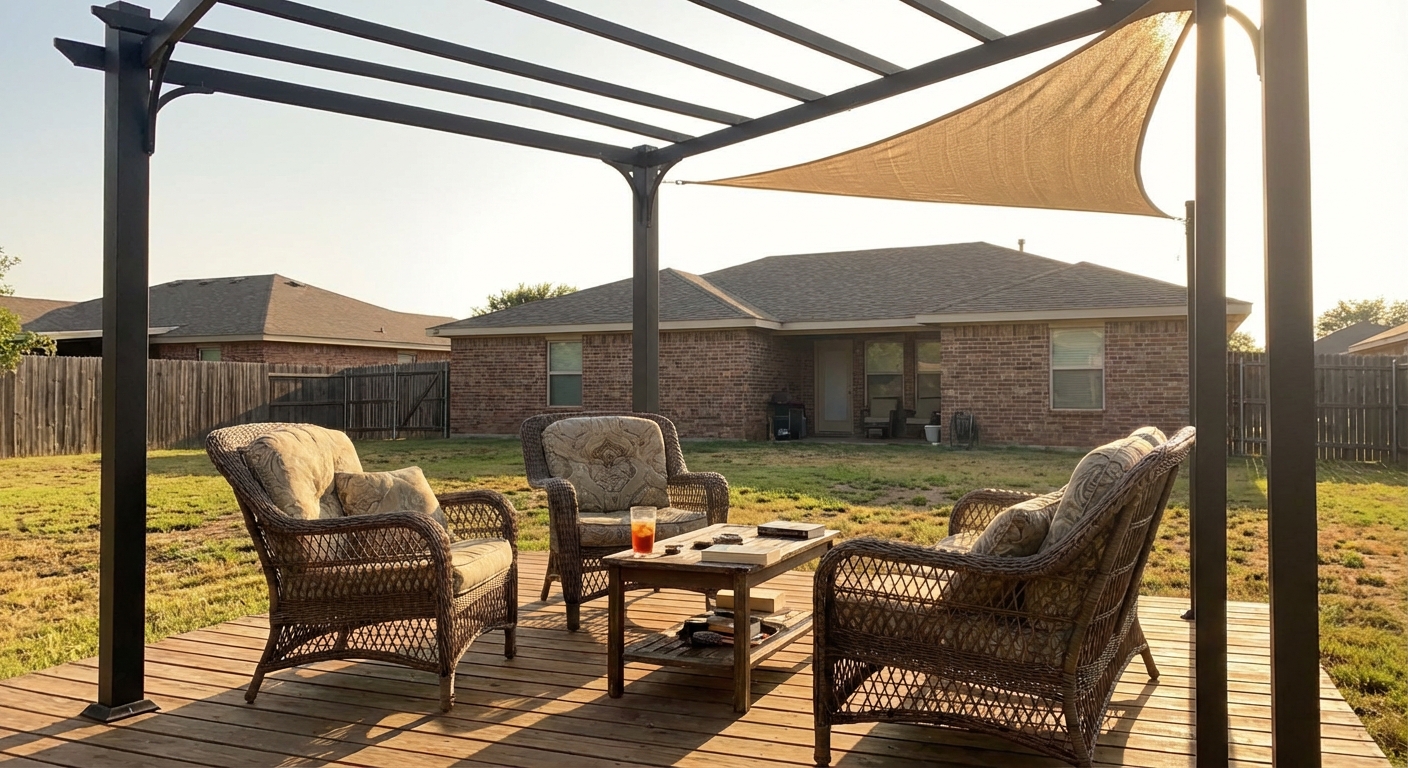
Are you dreaming of a deck where you can relax and entertain, but the relentless Texas sun is holding you back? You're not alone. The intense heat, especially during the summer months when temperatures soar between 95-105°F, makes enjoying an uncovered deck almost unbearable. This guide provides covered deck ideas specifically tailored for Texas homeowners, focusing on shade solutions, material choices, and design considerations to create a comfortable and stylish outdoor living space.
Choosing the Right Shade Structure for Your Texas Deck
Looking for more regional information? Check out our Texas State Decking Hub.
🏗️ Planning a deck project?
Get a free manual project review, or visualize your dream deck with AI before requesting quotes.
The key to a comfortable Texas deck is effective shade. Here are several options to consider:
Solid Roof Decks
A solid roof offers the most protection from the sun and rain. This can be an extension of your existing house roof or a completely separate structure.
- Pros: Complete sun and rain protection, increased property value, potential for adding electrical outlets and ceiling fans.
- Cons: Higher cost, requires more extensive permitting, can block natural light to adjacent rooms.
- Design Considerations: Consider the pitch of the roof to ensure proper water runoff. Match the roofing material to your home for a cohesive look. Integrate lighting for evening use.
Pergolas
Pergolas are open-roofed structures with crossbeams that provide partial shade. They offer a balance between sun protection and an open-air feel.
- Pros: Relatively affordable, adds architectural interest, allows for some sunlight, good airflow.
- Cons: Limited sun and rain protection, may require additional shading elements like climbing plants or shade cloth.
- Design Considerations: Choose durable materials like cedar or redwood that can withstand the Texas climate. Train climbing plants like wisteria or jasmine for added shade and beauty. Use PaperPlan (paperplan.app) to visualize your deck with PaperPlan design with different pergola styles and material options.
Awnings
Awnings are retractable fabric coverings that can be attached to your house or a freestanding structure.
- Pros: Adjustable shade, relatively inexpensive, easy to install, wide variety of colors and styles.
- Cons: Less durable than solid roofs or pergolas, requires regular cleaning and maintenance, may not withstand strong winds.
- Design Considerations: Choose a fade-resistant and water-resistant fabric. Consider a motorized awning for easy operation.
Shade Sails
Shade sails are fabric canopies suspended between multiple points, creating geometric shade patterns.
- Pros: Modern and stylish look, relatively inexpensive, easy to install, customizable shapes and sizes.
- Cons: Limited rain protection, requires strong anchor points, may sag over time.
- Design Considerations: Choose a UV-resistant fabric. Ensure proper tension to prevent sagging. Experiment with different shapes and colors to create a unique look.
Louvered Roofs
Louvered roofs feature adjustable slats that can be opened or closed to control the amount of sunlight and ventilation.
- Pros: Customizable shade, excellent ventilation, modern design, can be automated.
- Cons: Higher cost, requires professional installation, may not be completely waterproof.
- Design Considerations: Choose a durable material like aluminum. Consider a rain sensor to automatically close the louvers during rain.
<!-- slot:after-intro -->
Wondering what your design will cost? Our complete deck cost guide for Texas covers pricing for every material and style. Most covered and elevated decks require permits — see our guide on deck permit guide.
Material Selection for Texas Decks
Texas's extreme climate demands durable and weather-resistant decking materials. Here's a comparison:
| Material | Cost (Installed per sqft) | Pros | Cons | Texas Considerations |
| ------------------ | ------------------------- | --------------------------------------------------------------------------------------------------------- | ------------------------------------------------------------------------------------------------------------------------------------------ | ---------------------------------------------------------------------------------------------------------------------------------------------------------- |
| Pressure-Treated | $25-45 | Affordable, readily available, easy to work with. | Prone to warping and cracking, requires regular staining and sealing, susceptible to termites. | Good for framing, but consider composite or cedar for decking surface due to heat and UV exposure. |
| Composite | $45-75 | Low maintenance, durable, resists rot and insects, available in various colors and styles. | Higher upfront cost, can get hot in direct sunlight (surface temps can reach 150°F+), prone to fading. | Choose a light-colored composite with heat-reflective technology to mitigate heat absorption. See: Best Composite Decking for Texas Heat: Top Brands Compared. |
| Cedar | $35-55 | Naturally beautiful, resists rot and insects, durable, less prone to heat absorption than composite. | Requires regular staining and sealing, more expensive than pressure-treated. | Excellent choice for a natural look. Consider a UV-resistant sealant to protect against fading. |
| Trex | $50-80 | Low maintenance, durable, resists rot and insects, made from recycled materials, wide range of colors. | Higher upfront cost, can get hot in direct sunlight, prone to fading. Trex vs TimberTech in Texas: Which Composite Deck Is Better? | Choose a Trex line specifically designed for heat resistance. |
| Ipe (Brazilian Walnut) | $60-100 | Exceptionally durable, naturally resistant to rot and insects, beautiful hardwood. | Very expensive, requires specialized tools for installation, can be difficult to work with. | A premium option for homeowners seeking the ultimate in durability and beauty. Requires regular oiling to maintain its color. |
No state income tax in Texas means you might have more budget available for premium decking materials that stand up to the sun!
Foundation Considerations
Texas's shallow frost line (6-12 inches in most areas) means you can typically use shallower footings than in colder climates, saving on construction costs.
Design Ideas for Covered Decks in Texas
Here are some design inspirations to maximize your enjoyment of your covered Texas deck:
- Outdoor Kitchen: Incorporate a built-in grill, countertop space, and a mini-fridge for convenient outdoor cooking and entertaining.
- Comfortable Seating: Create a cozy seating area with plush outdoor furniture, throw pillows, and blankets for cooler evenings.
- Dining Area: Set up a dining table and chairs for al fresco meals.
- Entertainment Zone: Mount a TV and install a sound system for outdoor movie nights and sporting events.
- Fire Pit: Add a fire pit for warmth and ambiance during the cooler months.
- Water Feature: Incorporate a small fountain or pond for a relaxing atmosphere.
- Landscaping: Surround your deck with lush greenery to create a private and inviting space.
Consider incorporating ceiling fans to circulate air and keep you cool. Strategically placed plants can also help to provide additional shade and create a more comfortable environment.
<!-- slot:mid-content -->
Navigating Permits and Regulations in Texas
Most Texas cities require permits for decks exceeding 200 square feet or 30 inches above grade. Check with your local permitting office for specific requirements:
- Houston: No zoning, but permits are required from the City of Houston Permitting Center. See: Houston Deck Permit: Requirements, Costs & How to Apply
- Dallas: Permits are obtained through Dallas Development Services, with fees ranging from $200-500. See: Dallas Deck Permit Guide: What You Need Before Building
- Austin: Permits are processed through Austin Development Services, which is known for its lengthy processing times (8-12 weeks). See: Austin Deck Permit: Everything Homeowners Need to Know
- San Antonio: Permits are obtained through the Development Services Department, with relatively fast processing times. See: San Antonio Deck Permit: Rules, Fees & Process
Always obtain the necessary permits before starting construction to avoid fines and delays. Also, be aware of Deck Setback Requirements in Texas: How Close to the Property Line? and Deck Height Regulations in Texas: When Permits & Railings Are Required.
Cost Considerations for Your Texas Covered Deck
Building a covered deck in Texas involves several cost factors:
- Deck Size: Larger decks require more materials and labor.
- Materials: As shown in the table above, material choices significantly impact the overall cost. See also: How Much Does a Deck Cost in Texas? Complete 2026 Guide and Deck Cost Per Square Foot in Texas: 2026 Pricing Breakdown.
- Shade Structure: Solid roofs are the most expensive, followed by louvered roofs, pergolas, awnings, and shade sails.
- Labor Costs: Hiring a professional contractor will add to the cost, but ensures proper construction and adherence to building codes.
- Permit Fees: Budget for permit fees, which vary by city.
Building during the optimal months (October-April) can help you avoid contractor price surges due to high summer demand.
Termite and Moisture Protection
Especially in Gulf Coast areas, termite and moisture protection is crucial. Pressure-treated lumber offers some protection, but consider additional measures:
- Soil Treatment: Treat the soil around the deck footings with a termiticide.
- Proper Ventilation: Ensure adequate ventilation under the deck to prevent moisture buildup.
- Regular Inspections: Inspect the deck regularly for signs of termite damage or rot.
<!-- slot:before-faq -->
Creating a covered deck that can withstand the Texas sun requires careful planning and material selection. By considering the shade options, material choices, and design ideas outlined in this guide, you can create a comfortable and stylish outdoor living space that you can enjoy for years to come.
<!-- slot:end -->
🎨 Not sure which material to pick?
Upload a photo of your backyard and see exactly how Trex, TimberTech, or cedar would look — free and instant.
Frequently Asked Questions
What is the best decking material for Texas heat?
Composite decking is a popular choice due to its low maintenance and durability. However, it can get hot in direct sunlight. Choose a light-colored composite with heat-reflective technology. Cedar is a good alternative, as it stays cooler than composite and offers natural beauty.
How much does a covered deck cost in Texas?
The cost of a covered deck varies depending on the size, materials, and complexity of the design. A basic pressure-treated deck with a simple pergola could cost between $7,000 and $15,000. A larger composite deck with a solid roof could cost between $20,000 and $50,000 or more. Get quotes from multiple contractors to compare pricing.
Do I need a permit to build a covered deck in Texas?
Most Texas cities require permits for decks exceeding 200 square feet or 30 inches above grade. Check with your local permitting office for specific requirements.
How can I keep my covered deck cool in the summer?
In addition to a shade structure, consider installing ceiling fans to circulate air. Choose light-colored decking materials that reflect heat. Add potted plants to provide additional shade and create a more comfortable environment. Consider installing a misting system for evaporative cooling.
📋 Planning a deck project?
Get a free manual project review from our team — no obligation, no spam.
Get Free Project Review →Upload a backyard photo and preview real decking materials with AI — free, instant, no sign-up.
Permits, costs, material comparisons, and questions to ask before requesting quotes — delivered to your inbox.