
Florida Deck Codes: 2026 Requirements
Navigating Florida deck building codes can be tricky. This 2026 guide covers permits, wind loads, materials, and everything you need to know.
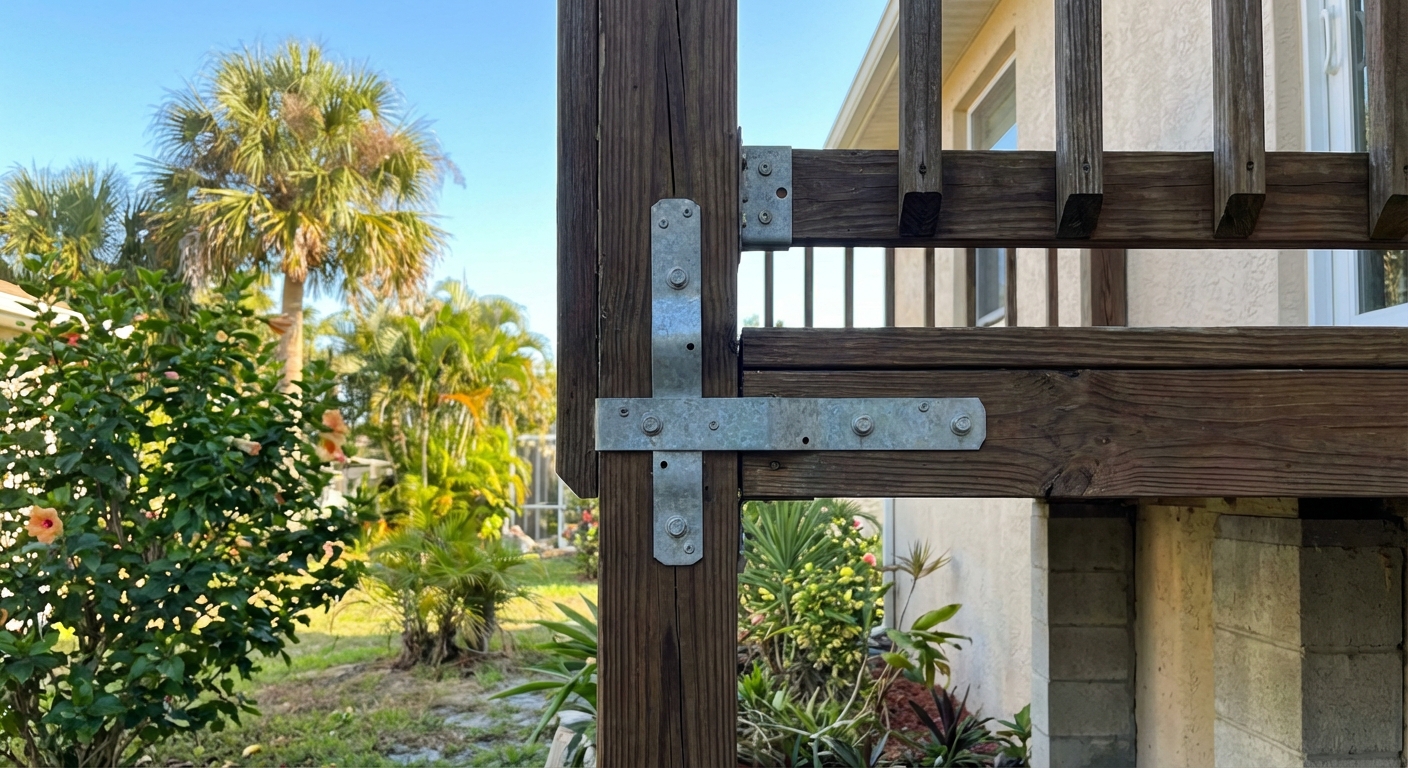
Are you planning to build a deck in Florida? Understanding the specific building codes is crucial to avoid costly mistakes, delays, and potential legal issues. Florida's unique environment and strict hurricane-resistant construction standards mean you need to be aware of requirements that might not apply in other states. This guide breaks down the key deck building codes you need to know for 2026, covering permits, materials, wind load requirements, and more.
📋 Tool Alert: Permit Checker
Do you really need a permit? Check the exact rules for your city or township.
Check Permits →Florida Deck Building Codes: An Overview
Looking for more regional information? Check out our Florida State Decking Hub.
🏗️ Planning a deck project?
Get a free manual project review, or visualize your dream deck with AI before requesting quotes.
Florida operates under the Florida Building Code (FBC), which is updated every three years. This code aims to ensure the safety and structural integrity of buildings, especially in a state prone to hurricanes and other extreme weather. When it comes to decks, the FBC covers everything from the types of materials you can use to how the deck must be attached to your home to withstand high winds.
Keep in mind that while the FBC provides a statewide framework, individual counties and cities can have their own amendments and stricter interpretations. This means that the rules in Miami-Dade County might differ slightly from those in Jacksonville or Tampa. Always check with your local building department for the most up-to-date and specific requirements for your project.
<!-- slot:after-intro -->
Permits: When Do You Need One?
Most Florida counties require a permit for any deck that is attached to your home or exceeds a certain size. Generally, if your deck is over 200 square feet, you'll need a permit. Even smaller decks might require a permit if they're attached to the house or have features like railings or stairs.
- Miami-Dade County: Known for having the strictest codes due to its high-risk hurricane zone. They often require a Notice of Acceptance (NOA) for materials, proving they meet specific performance standards.
- Tampa/Hillsborough County: Permits are handled through the county's building services. Expect permit costs to range from around $200 to $600.
- Orlando/Orange County: Permits are obtained through the Orange County Building Division.
- Jacksonville/Duval County: The permit process is generally considered more straightforward compared to other major cities.
It's essential to check with your local building department *before* starting any construction. Building without a permit can result in hefty fines, stop-work orders, and even the forced removal of your deck.
Wind Load Requirements: Designing for Hurricanes
Florida's hurricane-prone location necessitates stringent wind load requirements for decks. The FBC specifies minimum wind load capacities that your deck must be able to withstand. These requirements vary depending on your location and the height of your deck.
Wind loads are measured in pounds per square foot (psf). Depending on your wind zone, your deck might need to withstand winds between 110 and 180 mph. This means that every component of your deck, from the posts and beams to the decking boards and railings, must be strong enough to resist these forces.
Here's what influences wind load requirements:
- Location: Coastal areas and those in designated hurricane zones have higher wind load requirements.
- Height: Taller decks are exposed to stronger winds and therefore require greater wind resistance.
- Exposure Category: This considers the terrain surrounding your property. Open areas with few obstructions are subject to higher wind loads than those in heavily wooded areas.
Materials: Choosing the Right Decking for Florida's Climate
Florida's high humidity (70-90% year-round) and intense sun exposure present unique challenges for deck building materials. Mold, mildew, termites, salt air corrosion (near the coast), and UV degradation are all major concerns.
Here's a breakdown of popular decking materials and their suitability for Florida:
| Material | Cost (Installed per sq ft) | Pros | Cons |
| ------------------- | -------------------------- | ---------------------------------------------------------------------------------------------------------------------------------- | ------------------------------------------------------------------------------------------------------------------------------- |
| Pressure-Treated Wood | $25-$45 | Most affordable option, readily available. | Susceptible to rot, insects, and warping if not properly maintained. Requires regular staining/sealing. |
| Composite Decking | $45-$80 | Low maintenance, resistant to rot, insects, and fading. Available in various colors and styles. | More expensive than pressure-treated wood. Can get hot in direct sunlight. |
| Cedar | $35-$55 | Naturally resistant to rot and insects, beautiful appearance. | Requires regular sealing to maintain its appearance. Softer than other woods, making it more prone to scratches and dents. |
| Trex | $50-$85 | A popular brand of composite decking known for its durability and wide range of options. | More expensive than some other composite options. |
| Ipe (Brazilian Walnut) | $65-$110 | Extremely durable and naturally resistant to rot, insects, and fire. Beautiful, exotic appearance. | Very expensive. Difficult to work with due to its density. Requires specialized fasteners. |
For coastal areas (within 3000 feet of saltwater), using stainless steel or hot-dipped galvanized hardware is essential to prevent corrosion. Consider using composite or PVC decking for minimal maintenance and maximum resistance to the elements. Check out this guide on the Best Decking Material for Florida Humidity: What Won't Warp or Rot for more information.
Remember that Florida has no state income tax, which means homeowners often invest more in outdoor living spaces.
Railing Requirements: Ensuring Safety
Deck railings are crucial for safety, especially on elevated decks. The FBC specifies minimum height and strength requirements for railings.
- Height: Railings must be at least 36 inches high for residential decks and 42 inches high for commercial decks.
- Spacing: The spacing between railing balusters (the vertical posts) must be no more than 4 inches to prevent small children from squeezing through.
- Strength: Railings must be able to withstand a certain amount of force without failing.
Common Deck Features in Florida
Florida homeowners often incorporate specific features into their decks to enhance their outdoor living experience. Some popular options include:
- Screened-in decks: Provide protection from insects, especially mosquitoes.
- Pool decks: Create a seamless transition between your pool and outdoor living space.
- Waterfront decks: Maximize views and access to the water.
- Shade structures: Offer relief from the intense Florida sun.
Consider your lifestyle and needs when designing your deck. Do you want a space for entertaining, relaxing, or both? How will you use the deck throughout the year?
<!-- slot:mid-content -->
Best Time to Build a Deck in Florida
The best time to build a deck in Florida is during the cooler, drier months, typically from October to May. This avoids the peak of hurricane season (June to November) and the hottest, most humid weather. Scheduling your project during these months can help ensure a smoother and more efficient construction process.
Ground-Level Decks: A Popular Option
Due to the prevalence of slab-on-grade construction in Florida, ground-level decks are a popular choice. These decks are built close to the ground, eliminating the need for stairs and railings in many cases. Ground-level decks are also easier and less expensive to build than elevated decks.
Working with a Contractor
Navigating Florida's deck building codes can be complex. Working with a qualified and experienced contractor can help ensure that your deck meets all the necessary requirements and is built to last. A good contractor will be familiar with local codes, have experience working with Florida's climate, and be able to handle the permitting process for you. Need help finding the right pro? Start your search with articles like Best Deck Builders in Tampa: How to Find the Right Contractor or Best Deck Builders in Orlando: What to Look For in 2026.
Before hiring a contractor, be sure to:
- Check their license and insurance.
- Read online reviews and testimonials.
- Get multiple bids.
- Ask for references.
- Review their portfolio of past work.
Deck Costs in Florida: What to Expect
The cost of building a deck in Florida varies depending on the size, materials, and features you choose. Here's a general overview of average deck costs:
- Pressure-treated wood: $25-$45 per square foot installed
- Composite decking: $45-$80 per square foot installed
- Cedar: $35-$55 per square foot installed
- Trex: $50-$85 per square foot installed
- Ipe: $65-$110 per square foot installed
For a more detailed breakdown of deck costs in Florida, see How Much Does a Deck Cost in Florida? Complete 2026 Guide.
Use PaperPlan (paperplan.app) to visualize your deck with PaperPlan design with different materials and layouts before committing to a contractor. This can help you explore different options, estimate costs, and ensure that your deck meets your needs and budget.
<!-- slot:before-faq -->
Building a deck in Florida requires careful planning and attention to detail. By understanding the state's building codes and choosing the right materials, you can create a beautiful and durable outdoor living space that will last for years to come. Remember to always check with your local building department for the most up-to-date requirements and consider working with a qualified contractor to ensure a successful project. You can also read our guide Do You Need a Deck Permit in Florida? State & City Rules Explained.
<!-- slot:end -->
🎨 Not sure which material to pick?
Upload a photo of your backyard and see exactly how Trex, TimberTech, or cedar would look — free and instant.
Frequently Asked Questions
Do I need a permit to repair my existing deck?
Generally, minor repairs that don't alter the structure or size of your deck might not require a permit. However, if you're replacing major components like posts, beams, or railings, you'll likely need a permit. Always check with your local building department to be sure.
What type of wood is best for a deck in Florida's humid climate?
While pressure-treated wood is a common and affordable option, it requires regular maintenance. Naturally rot-resistant woods like cedar are also good choices, but they also need sealing. Composite decking is an excellent low-maintenance option that resists rot, insects, and fading, making it ideal for Florida's climate.
How can I protect my deck from termites in Florida?
Termites are a significant concern in Florida. Use pressure-treated lumber that is specifically treated for termite resistance. Ensure proper drainage around your deck to prevent moisture buildup, which attracts termites. Regularly inspect your deck for signs of termite activity. Consider having a professional pest control company treat the soil around your deck.
What are the requirements for deck stairs in Florida?
Deck stairs must meet specific requirements for rise (the vertical distance between steps) and run (the horizontal distance of each step). The FBC typically requires a maximum rise of 8 inches and a minimum run of 9 inches. Stairs must also have handrails if they have four or more risers.
How do I find a qualified deck contractor in Florida?
Start by asking friends, family, or neighbors for recommendations. Check online review sites like Google, Yelp, and Angie's List. Look for contractors who are licensed, insured, and have experience building decks in Florida. Get multiple bids and ask for references before making a decision.
📋 Planning a deck project?
Get a free manual project review from our team — no obligation, no spam.
Get Free Project Review →Upload a backyard photo and preview real decking materials with AI — free, instant, no sign-up.
Permits, costs, material comparisons, and questions to ask before requesting quotes — delivered to your inbox.