
North Carolina Deck Design Ideas (2026)
Dreaming of a new deck? Explore North Carolina deck design ideas for every budget, considering climate, materials, and local building codes.
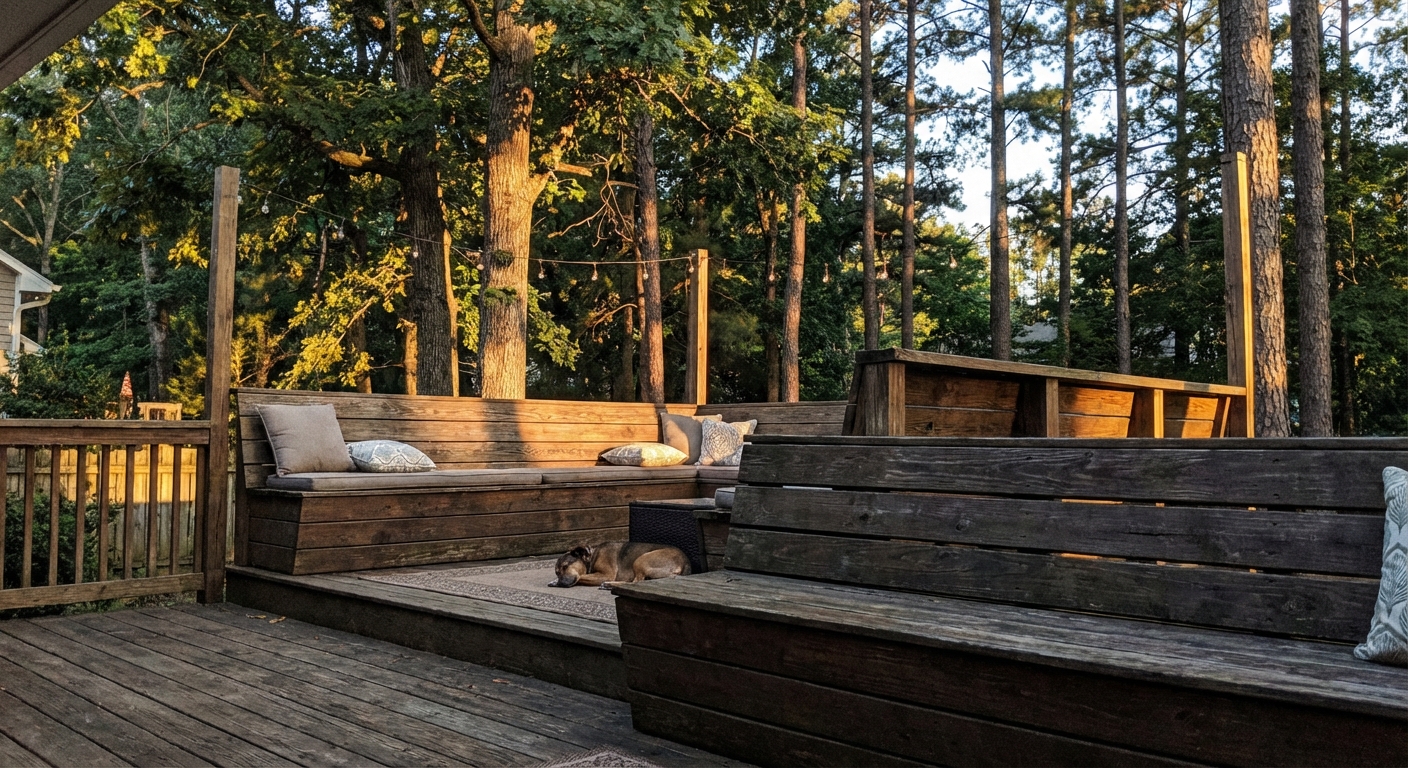
Are you a North Carolina homeowner looking to transform your backyard with a beautiful and functional deck? Navigating the design process can feel overwhelming, especially with our diverse climate and specific regional considerations. This guide provides North Carolina-specific deck design ideas and cost breakdowns to help you create the perfect outdoor space.
<!-- slot:after-intro -->
Looking for more regional information? Check out our North Carolina State Decking Hub.
Understanding North Carolina's Climate & Building Considerations
North Carolina's climate is generally moderate, but variations exist across the state. Summers are hot and humid, with temperatures often reaching 85-95°F, while winters are mild.
🏗️ Planning a deck project?
Get a free manual project review, or visualize your dream deck with AI before requesting quotes.
- Mountains (Asheville): Expect cooler temperatures, more rain, and steeper lots requiring unique deck designs.
- Piedmont (Charlotte, Raleigh, Greensboro): Experience the most humid conditions, making mold and mildew a significant concern.
- Coastal Regions: High humidity and saltwater exposure demand durable, weather-resistant materials.
Building Codes and Permits
Most North Carolina jurisdictions require permits for decks exceeding 200 sqft or standing more than 30 inches above grade. Adherence to local building codes is crucial, primarily based on the International Residential Code (IRC) with local amendments. The frost line is around 12 inches in most of the state, but may be deeper (~18 inches) in mountainous regions like Asheville. Familiarize yourself with local requirements to avoid costly setbacks. You can read more in Do You Need a Deck Permit in North Carolina? State & City Rules.
Termite Considerations
Termites are a constant threat in North Carolina. Always use pressure-treated lumber for any ground-contact components to prevent infestation.
Deck Material Options and Costs
The material you choose significantly impacts your deck's aesthetics, durability, and cost. Here's a breakdown of popular options in North Carolina:
| Material | Pros | Cons | Average Cost (Installed) |
| ------------------ | ------------------------------------------------------------------------------------------------------------ | ----------------------------------------------------------------------------------------------------- | -------------------------- |
| Pressure-Treated Lumber | Most affordable, readily available, can be stained or painted | Prone to warping, cracking, and insect damage if not properly maintained, requires regular sealing | $22-40/sqft |
| Composite Decking | Low maintenance, durable, resistant to rot and insects, available in various colors and textures | More expensive than pressure-treated lumber, can get hot in direct sunlight | $40-70/sqft |
| Cedar | Naturally beautiful, resistant to rot and insects, less prone to warping than pressure-treated lumber | More expensive than pressure-treated lumber, requires regular sealing to maintain its color | $30-50/sqft |
For a budget-friendly option, consider pressure-treated lumber. However, if you prioritize low maintenance and longevity, composite decking is a worthwhile investment. For a comprehensive look at pressure-treated costs, check out Pressure-Treated Deck Cost in NC: Budget-Friendly Guide.
North Carolina Deck Design Ideas by Style
Here are some deck design ideas tailored to different regions and architectural styles in North Carolina:
Classic Piedmont Deck
- Material: Pressure-treated lumber or composite decking
- Features: Simple rectangular shape, classic railing design, built-in benches, pergola for shade.
- Considerations: Choose moisture-resistant materials to combat humidity. Regular cleaning and sealing are essential for wood decks.
- Perfect for: Ranch-style homes and traditional brick houses common in Greensboro and Winston-Salem.
- Approximate Cost: For a 200 sq ft pressure-treated deck, expect to pay between $4,400 - $8,000 installed. Composite would be $8,000 - $14,000.
Mountain View Deck (Asheville)
- Material: Cedar or redwood for a natural, rustic look, or low-maintenance composite.
- Features: Multi-level design to accommodate sloped lots, cable railing to maximize views, built-in hot tub area, covered section for rain protection.
- Considerations: Steep slopes may require extensive excavation and specialized construction techniques, increasing costs.
- Perfect for: Mountain homes with stunning views.
- Approximate Cost: Due to the complexity of multi-level designs and potential excavation, expect to pay significantly more than a standard deck. A 300 sq ft multi-level cedar deck in Asheville could range from $12,000 - $20,000+.
Coastal Escape Deck
- Material: Composite decking or marine-grade lumber designed to withstand saltwater exposure.
- Features: Wide plank decking, open railing design, built-in bar area, outdoor shower, steps leading to the beach or pool.
- Considerations: Choose materials that resist fading and staining from saltwater and sun.
- Perfect for: Beachfront properties and coastal homes.
- Approximate Cost: A 250 sq ft composite deck with marine-grade hardware could range from $10,000 - $17,500.
Screened Porch Addition
- Material: Framing with pressure treated lumber, screen with aluminum or fiberglass mesh, roofing to match existing home.
- Features: Enclosed space with screens to keep bugs out, ceiling fan for air circulation, comfortable seating area, outdoor dining space.
- Considerations: Requires careful planning to integrate seamlessly with your existing home's architecture. Screened Porch vs Open Deck in North Carolina: Which Is Better? can help you decide if this is the right choice.
- Perfect for: Homes in areas with heavy mosquito populations.
- Approximate Cost: Converting an existing 200 sq ft deck to a screened porch can range from $8,000 - $20,000 depending on the complexity of the design and materials used.
<!-- slot:mid-content -->
Deck Features and Enhancements
Consider these features to enhance your deck's functionality and aesthetics:
- Railings: Choose from wood, composite, metal, or cable railings. Cable railings offer unobstructed views, especially valuable in Asheville.
- Stairs: Ensure stairs are properly constructed and meet local building codes. Consider adding lighting for safety.
- Lighting: Install deck lights, post cap lights, or string lights to create a warm and inviting ambiance.
- Seating: Built-in benches save space and provide comfortable seating.
- Pergolas: Offer shade and create a focal point.
- Outdoor Kitchens: Add a grill, countertop, and storage for a complete outdoor cooking experience.
- Fire Pits: Extend your deck's usability into the cooler months.
Planning Your Deck Project
1. Define Your Budget: Determine how much you're willing to spend. Remember to factor in material costs, labor, permits, and potential unforeseen expenses.
2. Determine Your Needs: How will you use the deck? Dining, entertaining, relaxing? This will inform the size and features.
3. Research Local Contractors: Get quotes from multiple reputable deck builders. Check references and reviews. To find qualified professionals, consult Best Deck Builders in Charlotte: How to Find the Right Contractor or Best Deck Builders in Durham, NC: Local Guide.
4. Create a Design: Use PaperPlan (paperplan.app) to visualize your deck with PaperPlan design and explore different layout options. This can help you communicate your vision to contractors.
5. Obtain Permits: Ensure you have all necessary permits before starting construction.
6. Schedule Construction: The best time to build a deck in North Carolina is during the spring (March-May) or fall (September-November) when the weather is mild.
Deck Maintenance Tips for North Carolina
Regular maintenance is crucial to prolong the life of your deck.
- Cleaning: Clean your deck regularly with a deck cleaner to remove dirt, mildew, and algae.
- Sealing/Staining: Seal or stain your wood deck every 1-2 years to protect it from the elements. Deck Staining Tips for North Carolina: Best Time & Products provides detailed guidance.
- Inspections: Inspect your deck annually for signs of damage, such as rot, cracks, or loose fasteners.
- Winter Prep: Clear snow and ice from your deck to prevent damage.
<!-- slot:before-faq -->
Investing in a well-designed and properly maintained deck can significantly enhance your North Carolina home's value and enjoyment. By considering your region's climate, choosing the right materials, and planning carefully, you can create the perfect outdoor oasis. If you are in Charlotte, you can also check out Deck Cost in Charlotte: Local Pricing Guide for 2026 or Raleigh Deck Permit Guide: What You Need Before Building if you live in the Triangle.
<!-- slot:end -->
🎨 Not sure which material to pick?
Upload a photo of your backyard and see exactly how Trex, TimberTech, or cedar would look — free and instant.
Frequently Asked Questions
What is the average cost of a deck in North Carolina?
The average cost of a deck in North Carolina varies depending on the size, materials, and complexity of the design. Expect to pay between $22-70 per square foot installed. Pressure-treated lumber decks are the most affordable, while composite decks are more expensive but offer lower maintenance.
Do I need a permit to build a deck in North Carolina?
Yes, most jurisdictions in North Carolina require a permit for decks exceeding 200 sqft or standing more than 30 inches above grade. Check with your local building department for specific requirements.
What type of decking material is best for North Carolina's climate?
Composite decking is a great option for North Carolina's humid climate because it resists rot, insects, and fading. Pressure-treated lumber is a more affordable choice but requires regular maintenance. Cedar is a beautiful natural option that is naturally rot-resistant, but also requires regular sealing.
How can I prevent mold and mildew on my wood deck?
Regular cleaning with a deck cleaner containing mildewcide is essential. Ensure proper ventilation under the deck to prevent moisture buildup. Sealing or staining your deck can also help protect it from moisture.
How deep should deck footings be in North Carolina?
Deck footings should be below the frost line, which is typically 12 inches in most of North Carolina. In mountainous areas like Asheville, the frost line may be deeper, around 18 inches.
📋 Planning a deck project?
Get a free manual project review from our team — no obligation, no spam.
Get Free Project Review →Upload a backyard photo and preview real decking materials with AI — free, instant, no sign-up.
Permits, costs, material comparisons, and questions to ask before requesting quotes — delivered to your inbox.