
Screened Porch vs Open Deck in North Ca (2026)
North Carolina homeowners: Decide between a screened porch and open deck. Compare costs, pros & cons, maintenance, and NC climate factors.
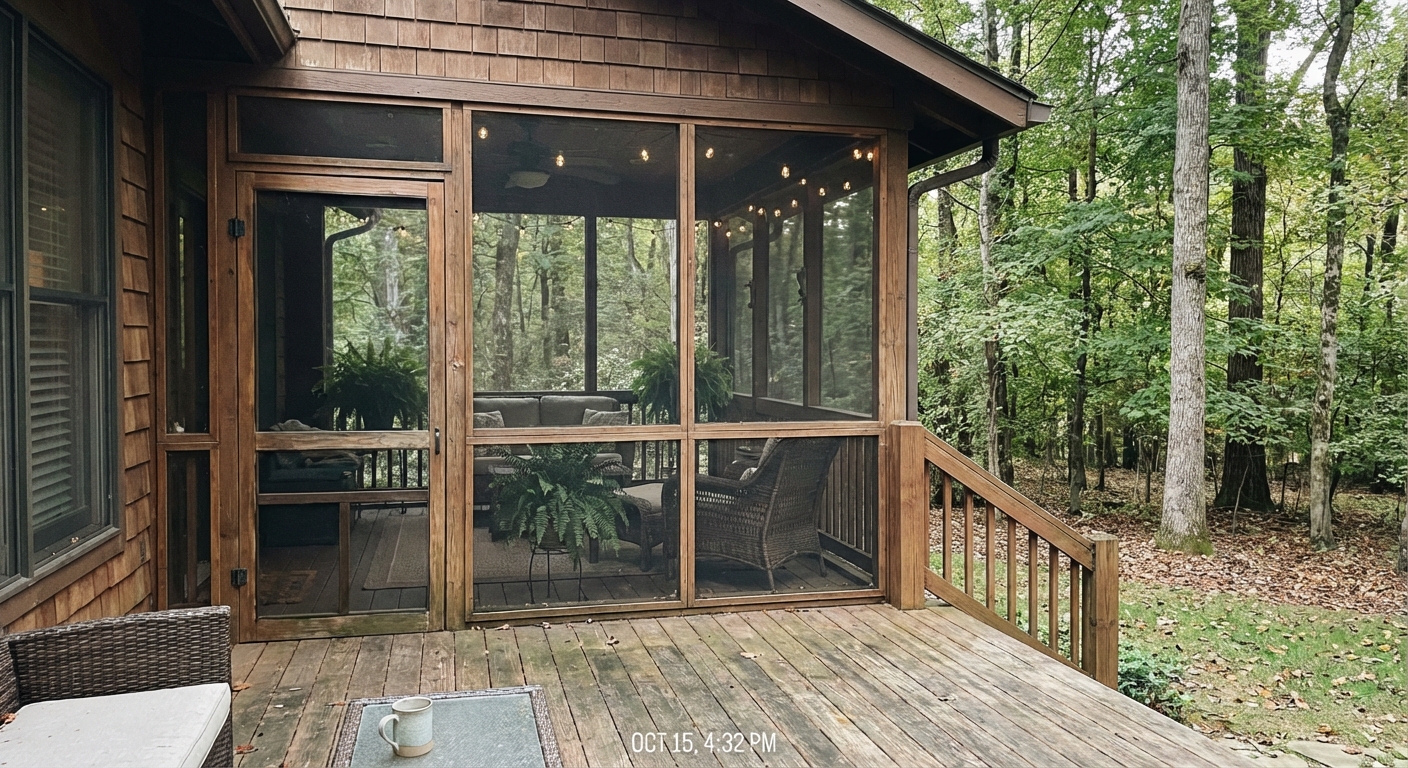
Choosing between a screened porch and an open deck for your North Carolina home is a big decision. Both add outdoor living space, but they offer very different experiences. Your choice will depend on your lifestyle, budget, and tolerance for bugs and weather. This guide will walk you through the pros and cons of each, with specific considerations for North Carolina's climate and building codes.
Understanding the North Carolina Climate
Looking for more regional information? Check out our North Carolina State Decking Hub.
🏗️ Planning a deck project?
Get a free manual project review, or visualize your dream deck with AI before requesting quotes.
North Carolina boasts a moderate climate, but it's not without its extremes. Summers are hot and humid, with temperatures often reaching between 85-95°F. Winters are mild, but can still bring periods of cold and even snow, especially in the mountains. High humidity is a constant factor, particularly in the Piedmont (Charlotte, Raleigh, Greensboro) and Coastal regions, making mold and mildew a significant concern for wood structures.
The geographic diversity of NC also plays a role. If you're in the mountains near Asheville, you might prioritize views and weather resistance on a steep lot. Coastal areas need to consider salt air and hurricane risks. The Piedmont region offers a balance but still deals with intense summer heat and humidity.
<!-- slot:after-intro -->
Screened Porch: Pros and Cons
A screened porch offers an enclosed outdoor space, providing protection from insects, rain, and some sun.
Pros:
- Bug Protection: This is the biggest advantage, especially during North Carolina's long mosquito season. Enjoy evenings outdoors without bug spray.
- Weather Protection: Screened porches offer shelter from light rain and direct sunlight, extending your outdoor enjoyment.
- Increased Privacy: Screens offer a degree of privacy from neighbors.
- Added Value: A well-built screened porch can increase your home's value and appeal to potential buyers.
- Extended Season: You can use a screened porch for more months of the year compared to an open deck, especially with a space heater during cooler months.
Cons:
- Higher Cost: Screened porches are significantly more expensive than open decks due to the added materials and labor for framing, roofing, and screening.
- Limited Views: Screens can obstruct views, although options like larger screen panels and invisible screens can minimize this.
- Maintenance: While less exposed than an open deck, screened porches still require cleaning and occasional screen repair.
- Less Open Feel: Some people find screened porches feel less open and airy than open decks.
- Permitting: Screened porches almost always require building permits. Consider looking into Raleigh Deck Permit Guide: What You Need Before Building or Charlotte Deck Permit: Requirements, Costs & How to Apply depending on your location.
Open Deck: Pros and Cons
An open deck is a simple, uncovered platform extending from your home.
Pros:
- Lower Cost: Open decks are the most affordable option for adding outdoor living space.
- Unobstructed Views: Enjoy completely open views of your surroundings.
- Sun Exposure: Perfect for sunbathing and enjoying the warmth.
- Simple Construction: Easier to build than a screened porch, potentially making it a DIY project.
- More Open Feel: Provides the most open and airy outdoor experience.
Cons:
- No Bug Protection: You'll be exposed to mosquitoes, flies, and other insects.
- Weather Exposure: Completely exposed to rain, sun, and wind.
- Limited Use: Usable only during pleasant weather.
- Maintenance: Requires regular cleaning, staining, and sealing to protect the wood from the elements, especially important given North Carolina's humidity.
- Less Privacy: Offers no privacy from neighbors.
Cost Comparison: Screened Porch vs. Open Deck in NC
Here's a general cost comparison. Keep in mind that prices can vary based on materials, size, complexity, and contractor.
| Feature | Open Deck (Pressure-Treated) | Open Deck (Composite) | Screened Porch (Pressure-Treated Frame) | Screened Porch (Composite Frame) |
|----------------|-----------------------------|-------------------------|------------------------------------------|------------------------------------|
| Material Cost | $22-40/sqft | $40-70/sqft | $60-100/sqft | $80-130/sqft |
| Installed Cost | $22-40/sqft | $40-70/sqft | $100-200/sqft | $150-250/sqft |
These are *installed* costs, encompassing both materials and labor. Labor costs can be higher in areas like Asheville due to challenging terrain and demand.
<!-- slot:mid-content -->
Materials Matter: Choosing the Right Option for NC
The materials you choose will significantly impact the cost, longevity, and maintenance requirements of your deck or porch.
Open Deck Materials:
- Pressure-Treated Lumber: The most affordable option, pressure-treated lumber is treated to resist rot and insect infestation. Essential for ground contact in NC due to termite risk. Expect to pay around $22-40 per square foot installed. Requires regular staining and sealing. See Pressure-Treated Deck Cost in NC: Budget-Friendly Guide for a more detailed breakdown.
- Composite Decking: Made from recycled plastic and wood fibers, composite decking is low-maintenance and resists fading, staining, and scratching. Costs around $40-70 per square foot installed. A great option to explore Best Composite Decking for North Carolina: Top Brands Compared.
- Cedar: A naturally beautiful and durable wood that resists rot and insects. Costs around $30-50 per square foot installed. Requires less maintenance than pressure-treated lumber but still benefits from occasional sealing.
Screened Porch Materials:
The framing of a screened porch can use the same materials as an open deck (pressure-treated, composite, or cedar). For the roof, you have several options:
- Asphalt Shingles: Matches your house roof and is a cost-effective option.
- Metal Roofing: Durable, long-lasting, and available in various colors.
- Wood Shingles or Shakes: Provides a rustic look, especially popular in the mountains.
- Screening: Choose from aluminum, fiberglass, or vinyl-coated polyester screens. Consider pet-resistant screens if you have animals.
Design Considerations for North Carolina Homes
North Carolina's diverse landscape offers unique design opportunities.
- Mountain Homes (Asheville): Multi-level decks are popular for maximizing views on sloped lots. Rustic-modern designs that blend with the natural surroundings are common.
- Piedmont Homes (Charlotte, Raleigh, Greensboro, Winston-Salem): Traditional deck designs with classic railings and comfortable seating areas are popular. Consider covered areas for shade during the hot summers.
- Coastal Homes: Elevated decks are often used to protect against flooding. Choose materials that can withstand salt air and hurricane-force winds.
Don't forget to consider features like built-in seating, outdoor kitchens, fireplaces, and lighting to enhance your outdoor living space. Use PaperPlan (paperplan.app) to visualize your deck with PaperPlan design with different materials and features before you start building.
Building Codes and Permits in North Carolina
In North Carolina, you'll generally need a permit for decks larger than 200 square feet or more than 30 inches above grade. The frost line is typically 12 inches deep throughout most of NC, although it may be deeper in the mountains (around 18 inches). Always check with your local building department for specific requirements. North Carolina building code follows the International Residential Code (IRC) with local amendments. Consider visiting Do You Need a Deck Permit in North Carolina? State & City Rules to get an overview of the requirements.
Maintenance Tips for North Carolina Decks and Porches
- Regular Cleaning: Wash your deck or porch regularly to remove dirt, debris, and mildew.
- Staining and Sealing: Apply a high-quality stain and sealer every 1-3 years to protect wood decks from the elements.
- Screen Repair: Repair any tears or holes in your screens promptly to prevent insects from entering.
- Inspect for Rot and Insect Damage: Regularly inspect your deck or porch for signs of rot or insect damage. Address any problems immediately to prevent further damage.
- Clear Debris: Keep your deck or porch free of leaves, pine needles, and other debris to prevent moisture buildup and rot.
The best months to build a deck in North Carolina are March-May and September-November, when the weather is mild and there's less chance of rain.
<!-- slot:before-faq -->
Choosing between a screened porch and an open deck is a personal decision. Consider your budget, lifestyle, and priorities. If you value bug protection and weather protection, a screened porch is the better choice. If you prefer open views and sun exposure, an open deck may be the better option. No matter what you choose, proper planning and construction are essential to ensure a long-lasting and enjoyable outdoor living space. Consider looking into North Carolina Deck Design Ideas: Inspiration for Every Budget to help you get started.
<!-- slot:end -->
🎨 Not sure which material to pick?
Upload a photo of your backyard and see exactly how Trex, TimberTech, or cedar would look — free and instant.
Frequently Asked Questions
What are the biggest challenges to building a deck in Asheville, NC?
Asheville's steep, often rocky terrain presents unique challenges. Excavation can be difficult and expensive, and specialized equipment may be needed. Labor costs tend to be higher in Asheville due to the complexity of the work. Navigating local permitting can also be complex due to environmental regulations and zoning restrictions on mountain properties.
How can I prevent mold and mildew on my deck in North Carolina?
Regular cleaning is key. Use a deck cleaner specifically designed to remove mold and mildew. Ensure proper ventilation under the deck to prevent moisture buildup. Apply a water-repellent sealant to protect the wood from moisture. Choosing composite decking material can also mitigate mold concerns.
What type of wood is best for decks in North Carolina's humid climate?
Pressure-treated lumber is a cost-effective and readily available option. Cedar is a naturally durable wood that resists rot and insects. However, composite decking offers the best resistance to moisture and requires minimal maintenance.
How much does it cost to maintain a wood deck in North Carolina per year?
The cost of maintaining a wood deck can vary depending on the size of the deck and the type of wood. Expect to spend around $200-$500 per year on cleaning, staining, and sealing. This estimate doesn't include potential repairs from rot or insect damage.
What are the termite considerations for decks in North Carolina?
Termites are a significant concern in North Carolina. Always use pressure-treated lumber for any wood that comes into contact with the ground. Ensure proper drainage around the deck to prevent moisture buildup, which can attract termites. Consider professional termite treatment for the soil around the deck.
📋 Planning a deck project?
Get a free manual project review from our team — no obligation, no spam.
Get Free Project Review →Upload a backyard photo and preview real decking materials with AI — free, instant, no sign-up.
Permits, costs, material comparisons, and questions to ask before requesting quotes — delivered to your inbox.