
Deck Maintenance in North Carolina (2026)
Keep your North Carolina deck in top shape! Our seasonal guide covers cleaning, staining, repairs, and protection for NC's climate.
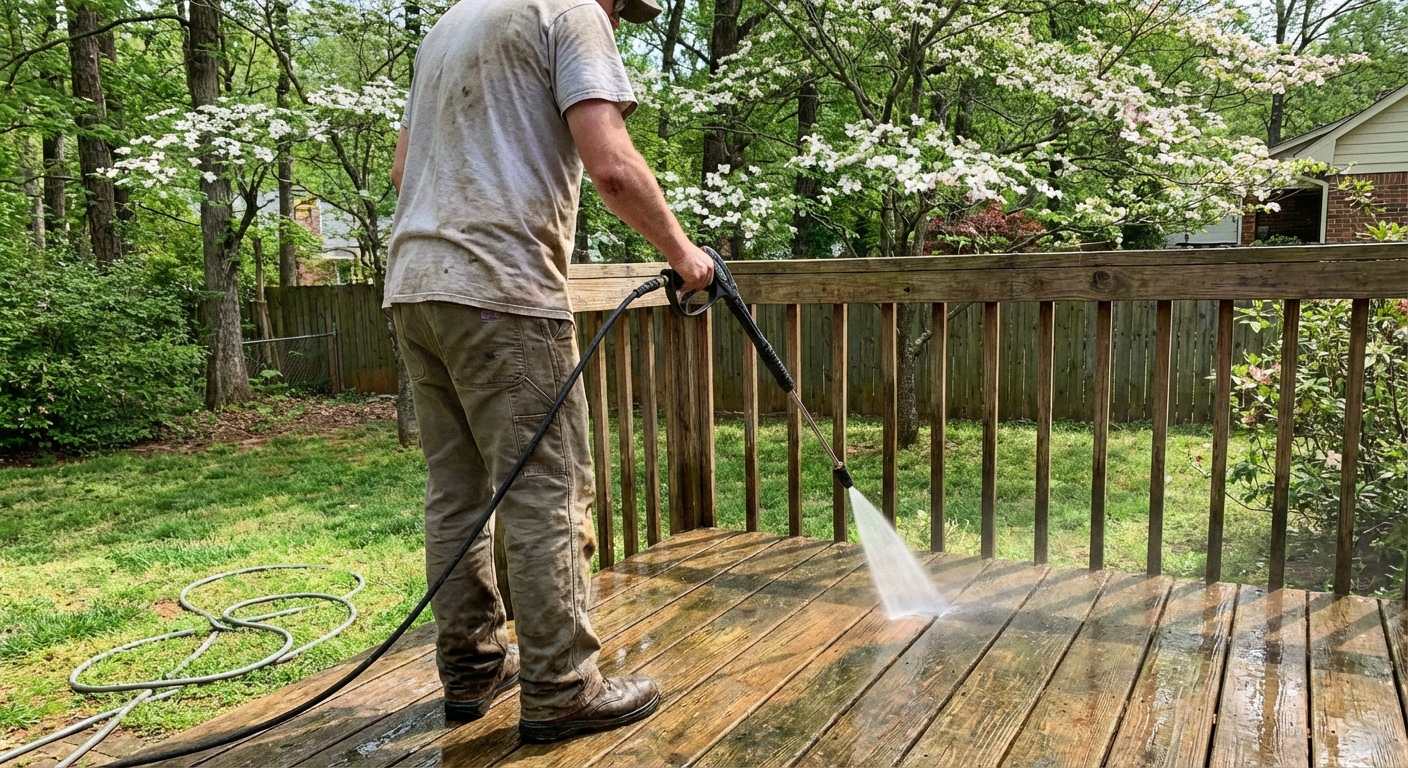
Owning a deck in North Carolina means enjoying the outdoors, but it also means regular maintenance to combat the state's unique climate challenges. This guide provides a seasonal breakdown to help you protect your investment, whether you're in the mountains of Asheville, the Piedmont of Charlotte, Raleigh, and Greensboro, or the coastal plains.
📅 Tool Alert: Maintenance Planner
Get a custom seasonal maintenance schedule to protect your investment for decades.
Plan Maintenance →Understanding North Carolina's Climate & Your Deck
Looking for more regional information? Check out our North Carolina State Decking Hub.
🏗️ Planning a deck project?
Get a free manual project review, or visualize your dream deck with AI before requesting quotes.
North Carolina's climate is moderate, but the hot, humid summers (85-95°F) and mild winters can take a toll on your deck. The high humidity, especially in the Piedmont and coastal areas, creates a breeding ground for mold and mildew. The mountains experience cooler temperatures and potentially more moisture, requiring slightly different considerations. Termites are also a statewide concern, making proper wood treatment crucial. Understanding these factors is the first step in creating a successful deck maintenance plan.
<!-- slot:after-intro -->
Seasonal Deck Maintenance Checklist
Here's a breakdown of essential deck maintenance tasks by season, tailored for North Carolina homeowners:
Spring: Prepare for Humidity and Growth
- Inspection: Check for loose boards, popped nails, cracks, or signs of rot. Pay close attention to areas near the ground and around posts.
- Cleaning: Use a deck cleaner to remove dirt, mildew, and algae that accumulated over the winter. Power washing can be effective, but be careful not to damage the wood, especially on softer woods like cedar.
- Repair: Replace damaged boards, tighten loose screws, and hammer in any protruding nails.
- Staining/Sealing (Optional): Spring is an ideal time to stain or seal your deck after cleaning, allowing ample drying time before the summer heat. Deck Staining Tips for North Carolina: Best Time & Products provides product recommendations.
- Termite Inspection: Consider a professional termite inspection, particularly if you haven’t had one recently. Pressure treatment is essential for ground-contact lumber to deter termites.
Summer: Combat Heat and UV Damage
- Regular Cleaning: Sweep your deck regularly to remove debris and prevent mold growth.
- Spot Treatment: Address any mildew or algae spots immediately with a deck cleaner.
- Water Drainage: Ensure proper drainage to prevent water from pooling on the deck surface, which can lead to rot and insect infestations.
- UV Protection: If you didn't stain or seal in the spring, consider doing so now to protect your deck from the sun's harmful UV rays, which can cause fading and cracking.
- Furniture Care: Clean and protect your deck furniture to prevent damage to the deck surface. Use furniture pads to protect against scratches.
Fall: Prepare for Winter Weather
- Leaf Removal: Regularly remove fallen leaves to prevent them from trapping moisture and causing rot.
- Final Cleaning: Give your deck a thorough cleaning before winter sets in.
- Inspection: Repeat the spring inspection, paying attention to any new damage.
- Winterization: Cover outdoor furniture or store it in a shed or garage. Disconnect and drain garden hoses to prevent freezing and bursting.
- Check Railings and Steps: Ensure railings and steps are secure before winter, as ice can make them slippery.
- Consider a Cover: For decks in areas prone to heavy snow or ice, consider using a deck cover to protect the surface.
Winter: Minimize Damage
- Snow Removal: Gently remove snow with a plastic shovel to avoid scratching the deck surface. Avoid using salt, as it can damage wood. Calcium chloride is a safer alternative.
- Monitor for Ice: Be cautious of ice buildup and use sand or other non-slip materials to prevent falls.
- Limit Use: Minimize heavy use of the deck during freezing temperatures to prevent damage to the wood.
- Professional Inspection (Optional): If you notice any significant damage during the winter, consult a deck builder for an inspection and repair estimate.
Choosing the Right Materials for North Carolina's Climate
The material you choose for your deck significantly impacts its maintenance needs. Here's a comparison of popular decking materials in North Carolina:
| Material | Average Installed Cost (per sqft) | Maintenance Needs | Pros | Cons |
| ------------------ | ----------------------------------- | ---------------------------------------------------------------------------------------------------------------------------------------------------------------- | ----------------------------------------------------------------------------------------------------------------------------------------------------------------- | ---------------------------------------------------------------------------------------------------------------------------------------------------------------- |
| Pressure-Treated Wood | $22-40 | Regular cleaning, staining/sealing every 1-3 years, inspection for rot and insect damage. | Affordable, readily available, easy to work with. | Susceptible to rot, insect damage, and warping if not properly maintained. Requires regular staining/sealing. |
| Composite Decking | $40-70 | Minimal maintenance, typically just cleaning with soap and water. | Durable, low-maintenance, resistant to rot and insects, available in various colors and styles. | More expensive than pressure-treated wood, can get hot in direct sunlight, may not look as natural as wood. Best Composite Decking for North Carolina: Top Brands Compared |
| Cedar | $30-50 | Regular cleaning, staining/sealing every 3-5 years, inspection for rot and insect damage (although naturally more resistant than pressure-treated). | Beautiful natural look, naturally resistant to rot and insects (to a degree), relatively lightweight. | More expensive than pressure-treated wood, requires regular staining/sealing to maintain its appearance and prevent weathering. |
Remember to factor in the cost of labor and any necessary permits. In North Carolina, you'll typically need a permit for decks over 200 sqft or 30 inches above grade. Do You Need a Deck Permit in North Carolina? State & City Rules provides more information.
Addressing Common Deck Problems in NC
North Carolina's climate presents specific challenges for decks. Here's how to address some common problems:
- Mold and Mildew: Clean affected areas with a deck cleaner containing mildewcide. Ensure proper ventilation and drainage to prevent future growth.
- Rot: Replace rotted boards immediately to prevent the spread of damage. Address the underlying cause of the rot, such as poor drainage or lack of maintenance.
- Insect Damage: Treat infested areas with an appropriate insecticide. Consider using pressure-treated lumber for future repairs or construction.
- Fading and Cracking: Apply a stain or sealant with UV protection to prevent fading and cracking caused by sun exposure.
- Loose Boards and Railings: Tighten loose screws and bolts. Replace damaged fasteners. If the problem persists, consult a deck builder to assess the structural integrity of the deck.
<!-- slot:mid-content -->
Cost Considerations for Deck Maintenance and Repair
Budgeting for deck maintenance is essential. Here's a general idea of what you can expect to pay:
- Cleaning: $50-$200 (DIY) or $100-$400 (professional)
- Staining/Sealing: $100-$500 (DIY) or $300-$1000 (professional)
- Board Replacement: $50-$200 per board (depending on material and labor)
- Railing Repair: $100-$500 (depending on the extent of the damage)
- Termite Treatment: $500-$2000 (depending on the severity of the infestation)
These are just estimates. Prices can vary depending on your location (Asheville tends to have higher labor costs) and the complexity of the project.
Designing for Low Maintenance
If you're planning a new deck or a major renovation, consider incorporating design elements that minimize maintenance:
- Composite Decking: As mentioned earlier, composite decking requires minimal maintenance compared to wood.
- Proper Drainage: Ensure the deck has adequate drainage to prevent water from pooling and causing rot.
- Wide Board Spacing: Allow for proper airflow between deck boards to reduce moisture buildup.
- Covered Decks: A covered deck or screened porch can protect the deck from the elements and reduce the need for frequent cleaning and maintenance. Covered Deck Ideas for North Carolina: Rain & Sun Protection and Screened Porch vs Open Deck in North Carolina: Which Is Better? offer inspiration.
- Consider your local climate: In areas like Asheville with steep lots, consider multi-level decks. In areas prone to bugs, a screened-in porch might be ideal.
Use PaperPlan (paperplan.app) to visualize your deck with PaperPlan design, experiment with different materials, and ensure proper drainage before you build. It can help you plan for low-maintenance features from the start.
Finding a Reliable Deck Builder in North Carolina
If you're not comfortable performing deck maintenance or repairs yourself, or if you're planning a new deck construction project, it's essential to find a reliable deck builder. Here are some tips:
- Get Multiple Quotes: Obtain quotes from at least three different contractors to compare prices and services.
- Check References: Ask for references from past clients and contact them to inquire about their experience.
- Verify Licensing and Insurance: Ensure the contractor is licensed and insured to protect yourself from liability.
- Read Online Reviews: Check online reviews on sites like Google, Yelp, and the Better Business Bureau to get an idea of the contractor's reputation.
- Get a Written Contract: Make sure the contract includes a detailed scope of work, payment schedule, and warranty information.
Best Deck Builders in Charlotte: How to Find the Right Contractor and Best Deck Builders in Durham, NC: Local Guide offer local contractor recommendations.
<!-- slot:before-faq -->
Maintaining a deck in North Carolina requires attention to the state's unique climate. By following this seasonal guide and choosing the right materials, you can ensure your deck remains a beautiful and functional outdoor space for years to come. North Carolina Deck Design Ideas: Inspiration for Every Budget can help spark your creativity.
<!-- slot:end -->
🎨 Not sure which material to pick?
Upload a photo of your backyard and see exactly how Trex, TimberTech, or cedar would look — free and instant.
Frequently Asked Questions
How often should I stain or seal my deck in North Carolina?
The frequency depends on the type of wood and the exposure to the elements. Generally, you should stain or seal your deck every 1-3 years for pressure-treated wood and every 3-5 years for cedar. Composite decking typically doesn't require staining or sealing.
What is the best time of year to build a deck in North Carolina?
The best months to build a deck in North Carolina are March-May and September-November, when the weather is mild and there's less chance of rain.
How deep does the frost line need to be for deck footings in North Carolina?
The frost line in most of North Carolina is 12 inches. However, in the mountains (like Asheville), it can be deeper, around 18 inches. Always check with your local building department for specific requirements.
What type of wood is best for a deck in North Carolina's humid climate?
Pressure-treated lumber is a budget-friendly option, but requires regular maintenance. Cedar offers natural resistance to rot and insects. Composite decking is a low-maintenance alternative that's highly durable.
How much does a new deck typically cost in North Carolina?
The cost of a new deck in North Carolina varies depending on the size, materials, and complexity of the project. Expect to pay between $22-70 per square foot, installed. How Much Does a Deck Cost in North Carolina? Complete 2026 Guide provides detailed pricing information.
📋 Planning a deck project?
Get a free manual project review from our team — no obligation, no spam.
Get Free Project Review →Upload a backyard photo and preview real decking materials with AI — free, instant, no sign-up.
Permits, costs, material comparisons, and questions to ask before requesting quotes — delivered to your inbox.