
Deck Permits in Utah: 2026 Rules
Navigating Utah's deck permit process can be tricky! Learn state & county rules to ensure your deck project is code-compliant.
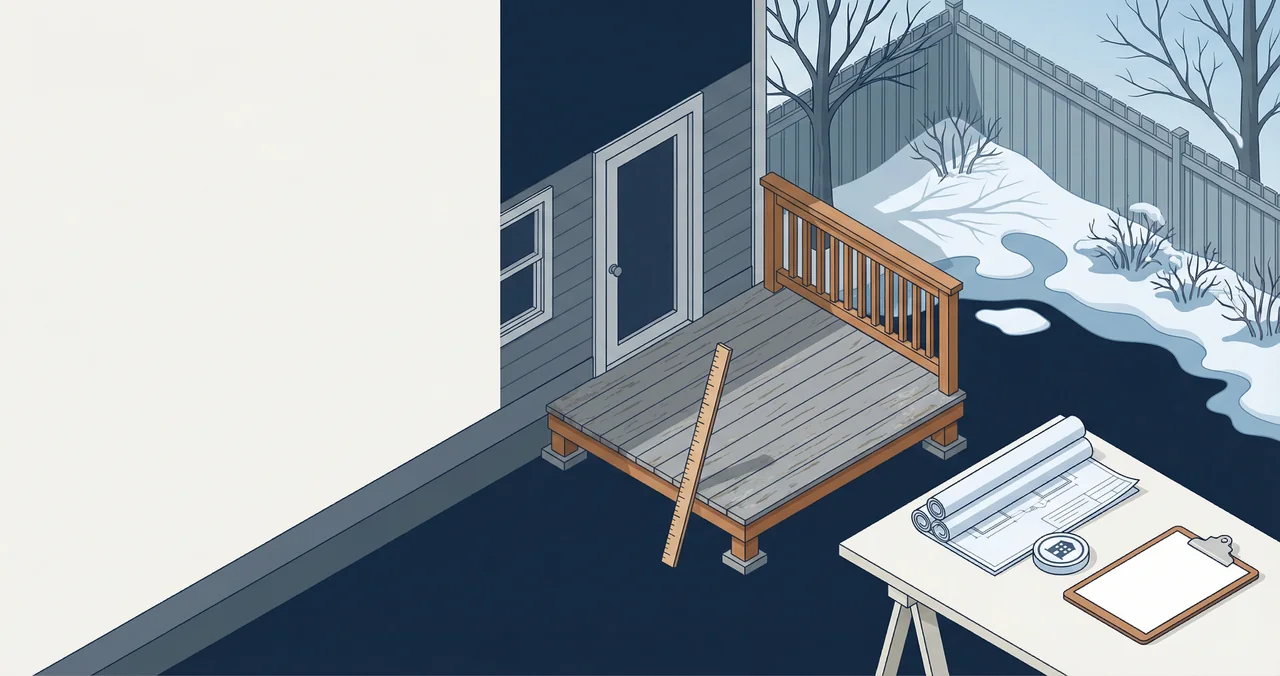
Do You Need a Deck Permit in Utah? State & County Rules
Building a deck in Utah can significantly enhance your outdoor living space and add value to your home. But before you start hammering away, it's crucial to understand the permitting requirements. Ignoring these rules can lead to costly fines, delays, and even the need to dismantle your newly built deck. This comprehensive guide will walk you through the ins and outs of deck permits in Utah, covering state and county regulations, so you can confidently plan and execute your project.
🏗️ Planning a deck project?
Get a free manual project review, or visualize your dream deck with AI before requesting quotes.
📋 Tool Alert: Permit Checker
Do you really need a permit? Check the exact rules for your city or township.
Check Permits →Looking for more regional information? Check out our Utah State Decking Hub.
Understanding the Basics of Deck Permits in Utah
A deck permit is essentially official authorization from your local government to construct or modify a deck on your property. The purpose of these permits is to ensure that the deck meets specific safety standards, building codes, and zoning regulations. This protects not only you and your family but also future owners of the property.
Failing to obtain a permit when one is required is considered a building code violation. This can result in stop-work orders, fines (which can easily range from hundreds to thousands of dollars), and the potential need to tear down and rebuild the deck according to code, even if it was structurally sound to begin with. Prevention is always cheaper than correction!
Utah's Statewide Deck Building Code: The IRC
Utah operates under the International Residential Code (IRC), with some state-specific amendments. The IRC provides a comprehensive set of standards for residential construction, including decks. While the IRC serves as a baseline, individual cities and counties often have their own specific interpretations and amendments. This is why it's essential to check with your local building department, even after understanding the general rules.
Key areas covered by the IRC in relation to deck construction include:
- Structural Integrity: Load-bearing capacity, proper footing depth, beam and joist sizing, and connection details.
- Safety Features: Guardrail height and spacing, stair construction, and slip resistance.
- Materials: Acceptable types of lumber and fasteners, pressure treatment requirements, and resistance to decay and insects.
- Accessibility: Requirements for accessible decks in certain situations, such as when a deck provides access to a dwelling unit.
When is a Deck Permit Required in Utah?
Generally speaking, a deck permit is required in Utah when the deck:
- Is more than 30 inches above grade (the ground level): This is the most common trigger for requiring a permit. The height is measured from the top of the deck surface to the ground below.
- Is attached to the house: Decks that are structurally connected to the home's foundation usually require a permit.
- Has a roof or other overhead structure: Covered decks generally require a permit due to increased load and structural considerations.
- Alters existing drainage patterns: If your deck construction changes how water flows on your property, a permit may be required.
- Increases the footprint of your home: Even if not attached, a very large deck can be considered an expansion of your home's footprint and necessitate a permit.
Exceptions:
- Decks that are less than 30 inches above grade and are not attached to the house are often exempt from permitting. However, it's always best to confirm with your local jurisdiction. Remember, even permit-exempt decks need to be built safely and according to best practices.
Navigating Utah County Deck Permit Regulations
Utah County, encompassing cities like Provo and Orem, generally follows the state's IRC guidelines, but it's crucial to verify their specific requirements. You can typically find this information on the Utah County website under "Building Permits" or by contacting the Utah County Planning Department directly. Consider Deck Cost in Provo & Orem: Utah Valley Pricing Guide when you are planning your deck in Utah County.
Typically, Utah County will require detailed plans including:
- Site Plan: Showing the location of the deck in relation to property lines, the house, and other structures.
- Construction Drawings: Illustrating the deck's dimensions, framing details, footing specifications, and materials.
- Elevation Drawings: Showing the deck's height above grade and the appearance of the finished structure.
Plan review fees in Utah County can range from \$50 to \$200 depending on the complexity of the project. Building inspections are also required at various stages of construction, such as after footing installation, framing, and final completion.
Salt Lake County Deck Permit Regulations: A Closer Look
Salt Lake County, including Salt Lake City, follows a similar permitting process, but with its own specific amendments and interpretations of the IRC. Salt Lake City and other municipalities within the county may have even stricter requirements. You can find this information on the Salt Lake County Planning & Development Services website or by contacting your specific city's building department. You might want to consider Deck Cost in Salt Lake City: Local Pricing for 2026 during the planning of your deck in Salt Lake County.
Salt Lake County also requires detailed plans and inspections. One important consideration in Salt Lake County, especially in areas with steep slopes, is ensuring proper drainage and erosion control. The county may require specific measures to prevent soil erosion and protect adjacent properties.
The timeline for obtaining a deck permit in Salt Lake County can vary depending on the workload of the building department and the complexity of your project. It's generally advisable to submit your application well in advance of your planned construction start date. Expect the permit process to take anywhere from 2 to 6 weeks.
Other Key Utah Counties and Their Deck Permit Rules
While Utah and Salt Lake Counties are heavily populated, other counties such as Davis, Weber, and Washington Counties also have their own specific deck permitting regulations.
- Davis County: Davis County generally follows the IRC but may have specific requirements regarding snow load and wind resistance, particularly in higher elevation areas.
- Weber County: Weber County, home to Ogden, may have stricter regulations regarding decks built near waterways or wetlands.
- Washington County: Washington County, with its warmer climate, may focus more on issues like sun exposure and the durability of decking materials. Consider Best Decking Material for Utah's Climate: Snow, Sun & Altitude when choosing materials in Washington County.
Always contact the specific city or county building department where you plan to build your deck to confirm their current requirements.
Step-by-Step Guide to Obtaining a Deck Permit in Utah
1. Consult with Your Local Building Department: The first step is to contact your city or county building department. Discuss your project and confirm whether a permit is required. Ask about specific requirements, forms, and fees.
2. Prepare Your Deck Plans: Create detailed construction drawings that meet local building codes. This may require hiring a qualified architect, engineer, or experienced deck builder. Best Deck Builders in Salt Lake City: How to Find the Right Contractor can help you locate a professional to assist with your plans.
3. Submit Your Permit Application: Complete the required application forms and submit them along with your deck plans and any other required documents to the building department.
4. Pay Permit Fees: Pay the required permit fees, which can vary depending on the size and complexity of your deck.
5. Wait for Plan Review: The building department will review your plans to ensure they meet code requirements. This process can take several weeks. Be prepared to make revisions if necessary.
6. Obtain Your Permit: Once your plans are approved, you will receive your deck permit. Post the permit in a visible location on your property during construction.
7. Schedule Inspections: Schedule inspections with the building department at various stages of construction, such as after footing installation, framing, and final completion.
8. Complete Construction and Final Inspection: Once your deck is complete, schedule a final inspection to ensure it meets all code requirements.
Common Deck Permit Issues and How to Avoid Them
- Incorrect Footing Depth: Ensure footings are deep enough to prevent frost heave. In Utah, this depth is typically at least 30 inches, but can vary based on location.
- Improper Joist Spacing: Use the correct joist spacing based on the span and type of decking material. Refer to the IRC guidelines for specific requirements.
- Inadequate Guardrail Height: Guardrails must be at least 36 inches high, and the spacing between balusters must be small enough to prevent a 4-inch sphere from passing through.
- Missing or Incorrectly Installed Flashing: Proper flashing is essential to prevent water damage where the deck attaches to the house.
- Failure to Obtain Required Inspections: Skipping inspections can result in code violations and costly rework.
By paying attention to these common issues and following building codes carefully, you can avoid problems and ensure a successful deck construction project.
Cost Considerations for Deck Permits in Utah
The cost of a deck permit in Utah can vary depending on the size and complexity of the deck, as well as the specific fees charged by your local building department. Generally, you can expect to pay anywhere from \$100 to \$500 for a deck permit. This does not include the cost of preparing the plans, which can range from \$500 to \$2000 or more if you hire a professional.
In addition to permit fees, you should also factor in the cost of inspections, which may be charged per visit. Also, consider How Much Does a Deck Cost in Utah? Complete 2026 Guide for an overall perspective of costs.
Working with a Contractor to Navigate the Permit Process
Hiring a qualified and experienced deck contractor can significantly simplify the permit process. A reputable contractor will be familiar with local building codes and permitting requirements, and they can handle the entire process on your behalf, from preparing the plans to scheduling inspections.
When choosing a contractor, be sure to check their license and insurance, and ask for references. A good contractor will also be transparent about the costs associated with the permit process and will be able to provide you with a realistic timeline for your project.
🎨 Not sure which material to pick?
Upload a photo of your backyard and see exactly how Trex, TimberTech, or cedar would look — free and instant.
Frequently Asked Questions
Do I need a permit to replace decking boards?
Generally, if you are simply replacing the decking boards on an existing deck and not altering the structure or increasing the size, you may not need a permit. However, it's always best to check with your local building department to confirm.
What happens if I build a deck without a permit?
Building a deck without a required permit can result in fines, stop-work orders, and the potential need to tear down and rebuild the deck according to code.
How long is a deck permit valid in Utah?
Deck permits typically have an expiration date, often ranging from 6 months to 1 year from the date of issuance. If construction is not completed within this timeframe, you may need to renew the permit.
Can I build my own deck in Utah?
Yes, you can build your own deck in Utah, provided you obtain the necessary permits and follow all building codes. However, it's important to have the necessary skills and knowledge to ensure the deck is built safely and according to code. If you're unsure, it's best to hire a qualified contractor.
What if my HOA has different rules than the city?
Homeowners Associations (HOAs) can have their own rules and regulations regarding deck construction that are separate from city or county requirements. It is your responsibility to adhere to both the HOA rules and the local building codes.
Are there different rules for composite decks?
The permitting process is generally the same regardless of the decking material used. However, the structural requirements, such as joist spacing, may vary depending on the type of composite decking you choose. Consider Composite Deck Cost in Utah: What to Budget in 2026 for budgeting.
📋 Planning a deck project?
Get a free manual project review from our team — no obligation, no spam.
Get Free Project Review →Upload a backyard photo and preview real decking materials with AI — free, instant, no sign-up.
Permits, costs, material comparisons, and questions to ask before requesting quotes — delivered to your inbox.