
Best Deck Builders in Virginia Beach: Coastal Build Specialists
Looking for the best deck builders in Virginia Beach? Find top-rated contractors specializing in coastal builds, permits, and durable materials.
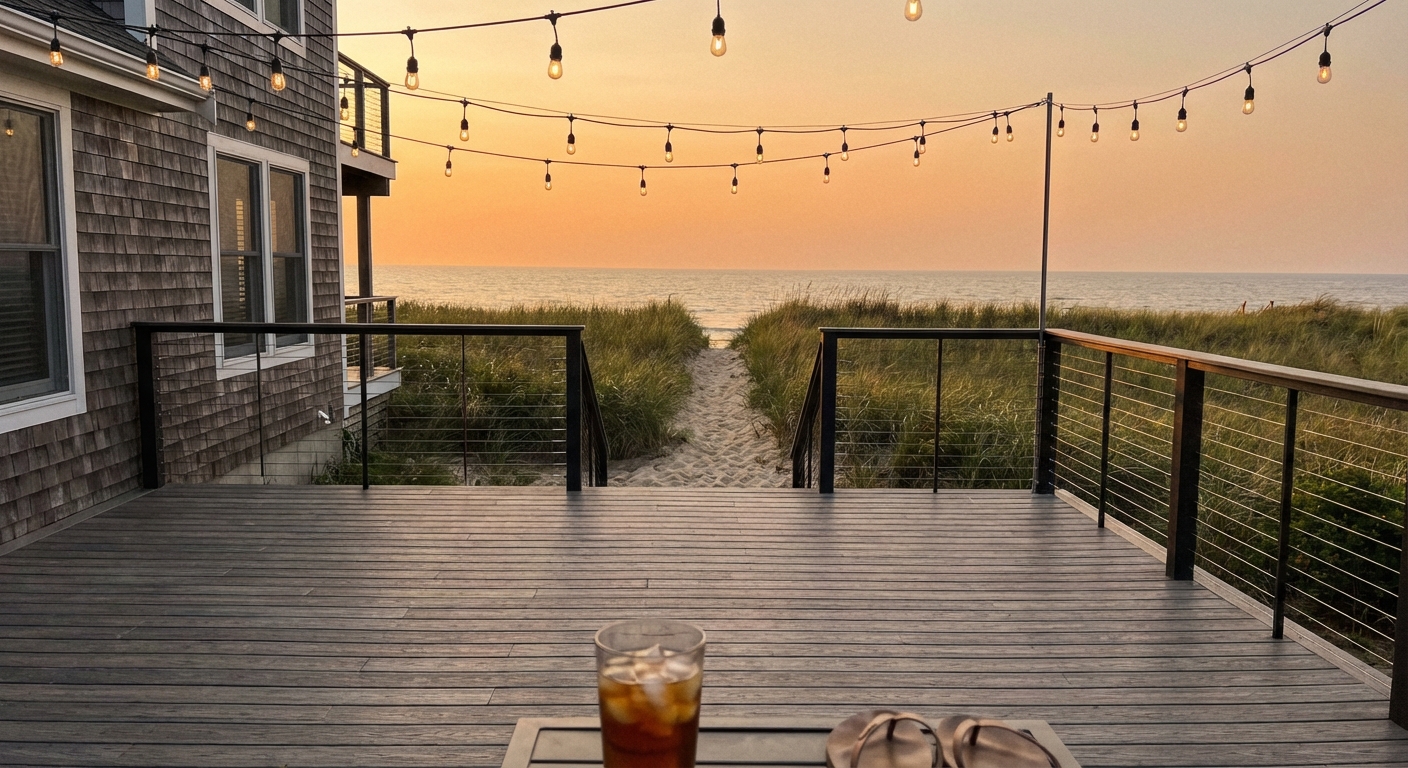
Are you dreaming of a beautiful new deck in Virginia Beach, perfect for enjoying those summer evenings and ocean breezes? Building a deck in Virginia Beach requires specialized knowledge, especially regarding coastal conditions and local building codes. Finding the right deck builder is crucial for a successful project that will last for years. This guide will help you navigate the process, understand costs, and connect with the best deck builders in the Virginia Beach area.
Understanding Deck Building in Virginia Beach
Looking for more regional information? Check out our Virginia State Decking Hub.
🏗️ Planning a deck project?
Get a free manual project review, or visualize your dream deck with AI before requesting quotes.
Virginia Beach presents unique challenges and opportunities for deck construction. The coastal environment, with its salt air and potential for flooding, demands careful material selection and construction techniques. Also, you'll want to be aware of the specific permit requirements and building codes enforced in the city.
Coastal Considerations
The salt air in Virginia Beach accelerates corrosion. Using corrosion-resistant hardware, like stainless steel or coated fasteners, is essential. Pressure-treated lumber should be properly treated for saltwater environments. Composite decking is a popular choice due to its resistance to moisture and decay.
Local Climate
Virginia Beach has a humid subtropical climate with hot, humid summers (90-95°F) and mild winters. This means your deck will be exposed to significant temperature fluctuations and humidity. Proper sealing and maintenance are vital to prevent warping, cracking, and decay. The best months for building are March-June and September-November to avoid the peak summer humidity.
Permit Requirements
Decks over 30 inches above grade or attached to your dwelling require a permit in Virginia Beach. The city enforces the Virginia Uniform Statewide Building Code (USBC), based on the International Residential Code (IRC). Expect to pay between $100-$500 for a permit, depending on the size and complexity of your deck. You'll want to visit the Virginia Beach Department of Planning and Permitting for specific requirements. You can also check out our article on Virginia Beach Deck Permit: Requirements, Costs & How to Apply in 2026 for more information.
Flood Zones
Many areas of Virginia Beach are located in flood zones. If your property is in a flood zone, you may need to elevate your deck to meet FEMA requirements. This will significantly increase the cost of your project. Your deck builder should be familiar with flood zone regulations and able to design and build your deck accordingly.
Typical Lot Sizes & Neighborhoods
Virginia Beach offers a diverse range of neighborhoods, from densely populated areas near the oceanfront to more spacious suburban communities. Lot sizes vary considerably, influencing deck size and design. In areas like Sandbridge and Croatan, larger lots allow for expansive decks, while neighborhoods like Chic's Beach and Bay Colony may require more compact designs. Many planned communities and HOAs, especially in areas like Kempsville and Great Neck, will require approval for your deck plans.
<!-- slot:after-intro -->
Estimating Deck Building Costs in Virginia Beach
Deck costs in Virginia are moderate-to-high, with Virginia Beach falling on the higher end due to the coastal environment. Material choice significantly impacts the final price. Here's a breakdown of average costs per square foot, installed:
| Material | Cost per SqFt (Installed) | Notes |
|------------------|---------------------------|----------------------------------------------------------------------------------------------------------------------------------------------------------------------------------------------------------------------------------------------------------------------|
| Pressure-Treated | $25-$45 | Most affordable option, requires regular maintenance (staining/sealing). |
| Cedar | $35-$55 | Naturally resistant to decay and insects, aesthetically pleasing, requires some maintenance. |
| Composite | $45-$80 | Low-maintenance, durable, resists fading and staining, more expensive upfront. Brands like Fiberon and TimberTech are popular. |
| Trex | $50-$85 | A popular brand of composite decking, known for its durability and wide range of colors and styles. Higher end composite option. |
These are just average costs, and your actual price may vary depending on the complexity of the design, site conditions, and the specific contractor you choose. Hurricane-rated hardware is mandatory in coastal zones, adding to the cost.
Additional Cost Factors
- Size: Larger decks cost more, but the price per square foot may decrease slightly.
- Design: Complex designs with multiple levels, curves, or built-in features will increase costs.
- Railing: Railing material (wood, composite, metal) and style impact the price.
- Stairs: Adding stairs increases the overall cost.
- Permits: Factor in the cost of permits and inspections.
- Demolition: Removing an existing deck adds to the cost.
- Site Access: Difficult site access can increase labor costs.
Termite Considerations
Virginia Beach has high termite pressure. Using pressure-treated lumber specifically treated for termite resistance is strongly recommended. Consider using termite baiting systems around your deck to prevent infestations.
Finding Reputable Deck Builders in Virginia Beach
Choosing the right deck builder is crucial for a successful project. Here's what to look for:
1. Licensing: Ensure the contractor is licensed by the Virginia Department of Professional and Occupational Regulation (DPOR). Class A licenses are required for projects over $70,000, Class B for projects between $10,000 and $70,000, and Class C for projects under $10,000.
2. Insurance: Verify the contractor has liability insurance and workers' compensation insurance.
3. Experience: Choose a contractor with experience building decks in coastal environments. Ask for references and check online reviews.
4. Permits: The contractor should be knowledgeable about Virginia Beach permit requirements and able to obtain the necessary permits.
5. Warranty: Look for a contractor who offers a warranty on their workmanship.
6. Materials: Discuss material options and choose materials that are suitable for the coastal climate.
7. Communication: The contractor should be responsive and communicate clearly throughout the project.
8. Detailed Quote: Get a detailed, written quote that includes all costs, materials, and labor.
Checking References and Reviews
- Ask for references: Contact previous clients to ask about their experience with the contractor.
- Check online reviews: Look for reviews on websites like Google, Yelp, and the Better Business Bureau. Pay attention to both positive and negative reviews.
- Verify licensing: Check the DPOR website to verify the contractor's license and any disciplinary actions.
Use PaperPlan (paperplan.app) to visualize your deck with PaperPlan design with different materials and layouts before committing to a contractor. This can help you communicate your vision more effectively and ensure you're getting the deck you want.
<!-- slot:mid-content -->
Deck Building Materials: Making the Right Choice
Choosing the right materials is crucial for a long-lasting deck in Virginia Beach.
Pressure-Treated Lumber
- Pros: Affordable, readily available.
- Cons: Requires regular maintenance, susceptible to rot and insects if not properly treated, can warp and crack.
- Best for: Homeowners on a budget who are willing to perform regular maintenance.
Cedar
- Pros: Naturally resistant to decay and insects, aesthetically pleasing.
- Cons: More expensive than pressure-treated lumber, requires some maintenance (staining/sealing).
- Best for: Homeowners who want a natural wood look with good durability.
Composite Decking
- Pros: Low-maintenance, durable, resists fading and staining, available in a wide range of colors and styles.
- Cons: More expensive upfront than wood, can get hot in direct sunlight.
- Best for: Homeowners who want a low-maintenance deck that will last for many years.
Trex Decking
Trex is a brand of composite decking. It is a popular choice due to its durability and wide range of colors and styles. It is more expensive than wood but requires very little maintenance.
Fasteners
Due to the coastal environment, it's important to use the correct fasteners. Here's a quick guide:
- Stainless Steel: The best option for coastal environments due to its superior corrosion resistance. More expensive than other options.
- Coated Fasteners: A good alternative to stainless steel, offering good corrosion resistance at a lower cost.
Navigating the Deck Building Process
1. Planning: Determine your needs and budget. Research deck designs and materials.
2. Design: Create a detailed deck design, including dimensions, materials, and features. Consider using deck design software or hiring a designer.
3. Permits: Obtain the necessary permits from the Virginia Beach Department of Planning and Permitting.
4. Contractor Selection: Get quotes from multiple contractors and choose the one that best meets your needs.
5. Construction: Oversee the construction process and ensure the deck is built to code.
6. Inspection: Schedule a final inspection with the city to ensure the deck meets all requirements.
Specific Considerations for Virginia Beach Neighborhoods
- Oceanfront: Elevated builds are common due to flood zones. Prioritize hurricane-rated hardware and saltwater-resistant materials. Expect to pay a premium for labor and materials.
- Sandbridge: Similar to the oceanfront, flood zone considerations are important. Larger lots may allow for larger decks.
- Chic's Beach: Known for its relaxed atmosphere. Consider a simple, low-maintenance deck design.
- Bay Colony: Upscale neighborhood. High-end materials and custom designs are common.
- Kempsville & Great Neck: Planned communities often have HOA restrictions. Be sure to get HOA approval before starting your project.
<!-- slot:before-faq -->
🎨 Not sure which material to pick?
Upload a photo of your backyard and see exactly how Trex, TimberTech, or cedar would look — free and instant.
Frequently Asked Questions
How much does it cost to build a deck in Virginia Beach?
The cost to build a deck in Virginia Beach varies depending on the size, materials, and complexity of the design. Expect to pay between $25-$85 per square foot, installed. Pressure-treated lumber is the most affordable option, while composite decking like Trex is more expensive.
Do I need a permit to build a deck in Virginia Beach?
Yes, you need a permit to build a deck over 30 inches above grade or attached to your dwelling. Contact the Virginia Beach Department of Planning and Permitting for more information.
What materials are best for a deck in Virginia Beach?
Composite decking is a popular choice due to its low maintenance and resistance to moisture and decay. Pressure-treated lumber and cedar are also good options, but require more maintenance. Using corrosion-resistant hardware is crucial.
How do I find a reputable deck builder in Virginia Beach?
Look for a licensed and insured contractor with experience building decks in coastal environments. Ask for references and check online reviews. Get a detailed, written quote before starting your project.
What are the building codes for decks in Virginia Beach?
Virginia Beach enforces the Virginia Uniform Statewide Building Code (USBC), based on the International Residential Code (IRC). Decks must meet specific requirements for footings, framing, and railing.
<!-- slot:end -->
Consider checking out these related articles for more information on deck building in Virginia:
- How Much Does a Deck Cost in Virginia? Complete 2026 Guide
- Composite Deck Cost in Virginia: What to Expect in 2026
- Do You Need a Deck Permit in Virginia? State & County Rules
- Virginia Deck Building Codes: Key Requirements for 2026
📋 Planning a deck project?
Get a free manual project review from our team — no obligation, no spam.
Get Free Project Review →Upload a backyard photo and preview real decking materials with AI — free, instant, no sign-up.
Permits, costs, material comparisons, and questions to ask before requesting quotes — delivered to your inbox.