
How to Build a Deck in Texas (2026)
Build your dream deck in the Texas sun! Our DIY guide covers permits, materials, costs, and step-by-step instructions specific to Texas homeowners.
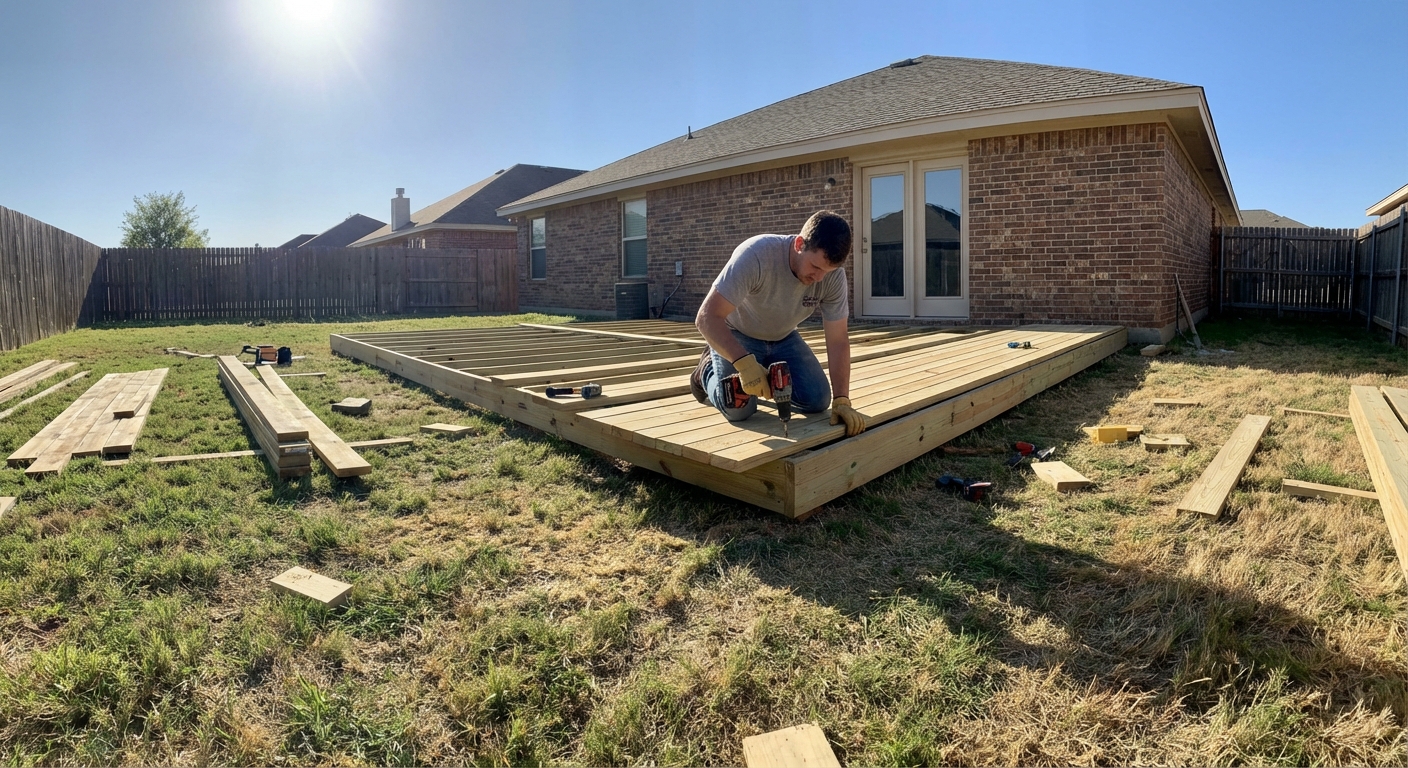
Planning to build a deck in Texas? You're in the right place. This guide provides a step-by-step approach to building a deck yourself, tailored to the unique challenges and opportunities of the Texas climate and regulations. We'll cover everything from permits and materials to construction techniques and cost considerations, so you can confidently tackle your DIY deck project.
📐 Tool Alert: Deck Stair Calculator
Calculate rise, run, and stringer cuts while ensuring IRC/OBC code compliance.
Calculate Stairs →Planning Your Texas Deck Project
Looking for more regional information? Check out our Texas State Decking Hub.
🏗️ Planning a deck project?
Get a free manual project review, or visualize your dream deck with AI before requesting quotes.
Before you even think about lumber, careful planning is critical. This includes design, permits, and material selection.
Deck Design & Layout
Think about how you want to use your deck. Will it be for grilling and dining? Lounging by the pool? A covered outdoor living space? Consider the size, shape, and orientation of your deck in relation to your house and yard. Popular Texas deck features include:
- Covered Decks: Provide shade from the intense Texas sun.
- Outdoor Kitchens: Perfect for entertaining.
- Pool Decks: Integrate seamlessly with your pool area.
- Shade Structures: Pergolas or gazebos offer respite from the heat.
Carefully measure your space and sketch out your design. Consider the placement of stairs, railings, and any built-in features. For a more detailed design process, consider using design software. Use PaperPlan (paperplan.app) to visualize your deck with PaperPlan design with different materials and layouts before committing to a contractor or purchasing materials. This helps you experiment with different ideas and ensure your final design meets your needs.
Obtaining the Necessary Permits
Most Texas cities require permits for decks exceeding 200 sqft or 30 inches above grade. Check with your local municipality for specific requirements. Here's a quick rundown for major Texas cities:
- Houston: No zoning, but permits are required from the City of Houston Permitting Center.
- Dallas: Permits are obtained through Dallas Development Services, costing between $200-500.
- Austin: Permits are handled by Austin Development Services, and the process can be notoriously slow, taking 8-12 weeks.
- San Antonio: Permits are issued by the Development Services Department and are typically processed relatively quickly.
Failing to obtain the necessary permits can result in fines and delays. See our articles on Do You Need a Deck Permit in Texas? State & City Rules Explained and the specific permit guides for Houston, Dallas, San Antonio, and Austin for more information.
Choosing the Right Materials for the Texas Climate
Texas weather is brutal, especially during the summer. Temperatures can soar to 95-105°F, and UV exposure is intense. Choose materials that can withstand these conditions. Here's a comparison of common decking materials:
| Material | Cost (Installed) | Pros | Cons |
|------------------|-------------------|-------------------------------------------------------------------------------------------------------------------------------------------------------------------|--------------------------------------------------------------------------------------------------------------------------------------------|
| Pressure-Treated | $25-45/sqft | Budget-friendly, readily available, resists rot and insects. | Requires regular maintenance (staining/sealing), prone to warping and cracking. |
| Composite | $45-75/sqft | Low maintenance, resists fading and staining, available in various colors and styles. | More expensive than pressure-treated, can get very hot in direct sunlight (surface temps can exceed 150°F), can be prone to mold/mildew. |
| Cedar | $35-55/sqft | Naturally beautiful, resists rot and insects, dimensionally stable. | Requires regular maintenance (staining/sealing), more expensive than pressure-treated. |
| Trex | $50-80/sqft | A popular composite brand, very durable, low maintenance, wide range of colors and styles. | Expensive, can get very hot, some older generations are prone to staining. |
| Ipe | $60-100/sqft | Extremely durable, naturally resistant to rot, insects, and fire, beautiful hardwood appearance. | Very expensive, difficult to work with (requires specialized tools and techniques), can be prone to splintering. |
Composite decking is a popular choice in Texas due to its low maintenance requirements, but be mindful of the heat. Consider lighter colors to minimize heat absorption. For more information, check out our guide to the Best Composite Decking for Texas Heat: Top Brands Compared.
<!-- slot:after-intro -->
Step-by-Step Deck Building Guide
Now, let's get into the actual construction process.
1. Preparing the Site
- Clear the area: Remove grass, shrubs, and any other obstructions.
- Level the ground: Ensure the ground is level where the deck will sit.
- Mark the layout: Use stakes and string to mark the perimeter of your deck.
2. Installing the Footings
Texas has a relatively shallow frost line, typically only 6-12 inches deep in most areas. This means you don't need to dig as deep for your footings as you would in colder climates.
- Dig the holes: Dig holes for the footings, ensuring they are below the frost line. The number and spacing of footings will depend on the size and design of your deck. Consult local building codes for specific requirements.
- Pour concrete: Pour concrete into the holes to create the footings. Use pre-cast concrete piers or pour your own. Ensure the tops of the footings are level.
3. Building the Frame
- Install posts: Attach posts to the footings using post bases and appropriate fasteners. Ensure the posts are plumb and properly braced.
- Attach beams: Attach beams to the posts to support the deck joists. Use appropriate fasteners and ensure the beams are level.
- Install joists: Attach joists to the beams, spacing them according to your decking material and local building codes. Typically, joists are spaced 12-16 inches apart.
- Add blocking: Install blocking between the joists to provide additional support and prevent twisting.
4. Laying the Decking
- Acclimate the decking: Allow the decking material to acclimate to the local climate for several days before installation. This helps prevent warping and cracking.
- Install the decking: Attach the decking boards to the joists using screws or hidden fasteners. Follow the manufacturer's instructions for spacing and installation.
- Cut and fit: Carefully cut and fit the decking boards around posts, stairs, and other obstructions.
5. Installing Railings and Stairs
- Install railing posts: Attach railing posts to the deck frame, ensuring they are securely fastened.
- Install railings: Attach railings to the posts, following local building codes for height and spacing.
- Build stairs: Construct stairs according to local building codes, ensuring they are safe and sturdy.
6. Finishing Touches
- Add trim: Install trim boards around the perimeter of the deck to conceal the frame.
- Apply sealant or stain: Apply a sealant or stain to protect the wood from the elements (if using wood decking).
- Clean up: Remove any debris and clean the deck thoroughly.
<!-- slot:mid-content -->
Cost Considerations for Your Texas Deck
Building a deck involves various costs. Here's a breakdown of typical expenses:
- Materials: Lumber, decking, fasteners, concrete, railings.
- Permits: Costs vary by city but range from $200-500 in Dallas.
- Tools: You may need to purchase or rent tools such as a saw, drill, level, and post-hole digger.
- Labor (if not DIY): Hiring a professional deck builder can significantly increase the cost.
As Texas has no state income tax, many homeowners find they have more disposable income to invest in home improvements like decks. Check out our comprehensive guide How Much Does a Deck Cost in Texas? Complete 2026 Guide for detailed pricing breakdowns. You can also find localized pricing information for Houston, Dallas, and San Antonio.
Termite & Moisture Considerations on the Gulf Coast
If you're building a deck near the Gulf Coast (e.g., Houston, Galveston), you need to be especially mindful of termites and moisture.
- Termite Prevention: Use pressure-treated lumber that is specifically treated for termite resistance. Consider using termite bait stations around the perimeter of your deck.
- Moisture Management: Ensure proper drainage to prevent water from pooling under the deck. Use moisture-resistant decking materials and seal all exposed wood surfaces.
Best Time to Build Your Deck in Texas
The best time to build a deck in Texas is during the cooler months, from October to April. Avoid building during the peak summer heat, as the extreme temperatures can make it difficult to work comfortably and safely.
<!-- slot:before-faq -->
Working with Professionals
While this guide provides a comprehensive overview of DIY deck building, some projects are best left to the professionals. If you're uncomfortable with any aspect of the construction process, or if your deck design is complex, consider hiring a qualified deck builder. A professional can ensure your deck is built safely, correctly, and to code.
<!-- slot:end -->
🎨 Not sure which material to pick?
Upload a photo of your backyard and see exactly how Trex, TimberTech, or cedar would look — free and instant.
Frequently Asked Questions
What are the building code requirements for decks in Texas?
Texas building codes are based on the International Residential Code (IRC), with local amendments. Key requirements include proper footing depth, joist spacing, railing height, and stair construction. Refer to our guide on Texas Deck Building Codes: Key Requirements for 2026 for more information. Also, be sure to check Deck Setback Requirements in Texas: How Close to the Property Line? and Deck Height Regulations in Texas: When Permits & Railings Are Required.
How do I protect my deck from the Texas sun?
Use a high-quality sealant or stain with UV protection. Consider building a covered deck or installing a shade structure. Choose lighter-colored decking materials to minimize heat absorption.
What type of wood is best for decks in Texas?
Pressure-treated lumber is a popular and affordable option. Cedar is a naturally durable and beautiful choice. For a low-maintenance option, consider composite decking.
How often should I seal or stain my wood deck in Texas?
Typically, you should seal or stain your wood deck every 1-2 years, depending on the severity of the weather exposure. Inspect your deck regularly for signs of wear and tear.
📋 Planning a deck project?
Get a free manual project review from our team — no obligation, no spam.
Get Free Project Review →Upload a backyard photo and preview real decking materials with AI — free, instant, no sign-up.
Permits, costs, material comparisons, and questions to ask before requesting quotes — delivered to your inbox.