
Pressure-Treated Lumber for Decks in Texas:…
Considering a pressure-treated deck in Texas? Learn about costs, pros & cons, permits, and how to choose the right lumber for the Texas climate.
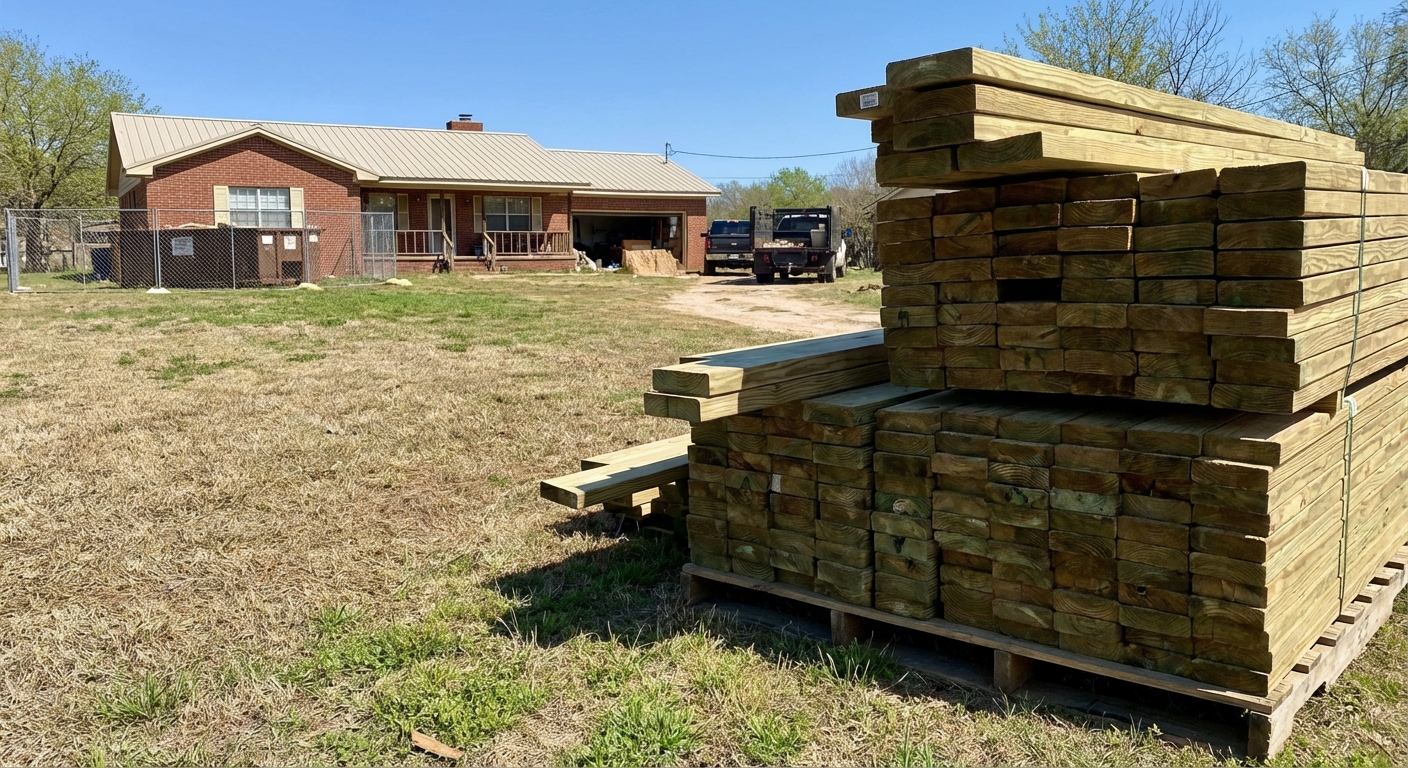
If you're planning a new deck in Texas, you're likely considering different materials. Pressure-treated (PT) lumber is a popular choice because it's affordable and readily available. But is it the *right* choice for your Texas home? This guide covers everything you need to know about pressure-treated decks in the Lone Star State, from cost to maintenance, and helps you decide if it’s the best fit for your needs.
🌳 Tool Alert: Material Comparison
PT vs Composite vs Cedar. Compare 25-year total cost of ownership including maintenance.
Compare Materials →Is Pressure-Treated Lumber Right for Your Texas Deck?
Looking for more regional information? Check out our Texas State Decking Hub.
🏗️ Planning a deck project?
Get a free manual project review, or visualize your dream deck with AI before requesting quotes.
Pressure-treated lumber is wood that has been chemically treated to resist rot, decay, and insect infestation. This makes it a durable option for outdoor structures like decks. It's a budget-friendly choice, especially attractive in Texas where there's no state income tax, leaving you with more disposable income for home improvements.
However, Texas presents unique challenges for decks:
- Extreme Heat: Texas summers bring temperatures soaring to 95-105°F, and even higher. This heat can cause PT lumber to warp, crack, and fade over time.
- Intense UV Exposure: The Texas sun is intense. UV rays degrade the wood fibers and can accelerate the breakdown of the treatment chemicals.
- Gulf Coast Humidity: If you live near the Gulf Coast (Houston, Galveston, Corpus Christi), you'll contend with high humidity, which can promote mold and mildew growth on even treated lumber.
- Termites: Termites are a constant threat in Texas, particularly in warmer regions. While PT lumber is treated to resist termites, proper installation and maintenance are crucial.
Despite these challenges, PT lumber can be a viable option *if* you choose the right type and maintain it properly.
<!-- slot:after-intro -->
Choosing between composite and wood? Our composite vs wood decking breaks down the real costs over 10 years. For full installed pricing by material type, see our complete deck cost guide for Texas.
Cost of a Pressure-Treated Deck in Texas
Pressure-treated lumber is typically the most affordable decking material. In Texas, you can expect to pay around $25-$45 per square foot for a professionally installed pressure-treated deck. This price includes materials, labor, and basic features like railings and stairs.
Here's a cost comparison with other popular decking materials in Texas:
| Material | Cost per Square Foot (Installed) |
| ----------------- | --------------------------------- |
| Pressure-Treated | $25-$45 |
| Cedar | $35-$55 |
| Composite | $45-$75 |
| Trex | $50-$80 |
| Ipe (Brazilian Walnut) | $60-$100 |
Keep in mind that these are just average prices. Your actual cost will depend on the size and complexity of your deck, the specific type of PT lumber you choose, and the contractor you hire. Cities like Houston and Dallas may have slightly higher labor costs than smaller towns.
Choosing the Right Pressure-Treated Lumber for Texas
Not all pressure-treated lumber is created equal. Here's what to look for when selecting PT lumber for your Texas deck:
- Treatment Level: Look for lumber treated to the appropriate level for its intended use. For deck framing and posts, opt for lumber treated to ground contact (typically designated as .40 or higher). For decking boards, lumber treated for above-ground use (typically designated as .15 or higher) is usually sufficient, but consider ground contact rated lumber for added protection and longevity.
- Wood Species: Southern Yellow Pine is the most common species used for PT lumber in Texas. It's readily available and relatively inexpensive.
- Kiln-Dried After Treatment (KDAT): KDAT lumber is dried after the pressure treatment process, which helps reduce warping and shrinkage. While it may cost slightly more upfront, it can save you headaches down the road. This is particularly important in the dry heat of West Texas cities like San Antonio.
- ACQ vs. MCA: Modern pressure treatments use either Alkaline Copper Quaternary (ACQ) or Micronized Copper Azole (MCA). Both are effective, but MCA is generally considered to be less corrosive to fasteners. Use fasteners approved for use with treated lumber, as older treatments could corrode standard fasteners.
- Size and Length: Plan your deck carefully to minimize waste and choose lumber lengths that are readily available. Standard lengths are typically 8, 10, 12, 16, and 20 feet.
Texas Deck Building Codes and Permits
Before you start building your deck, it's crucial to understand the local building codes and permit requirements. Most Texas cities require permits for decks that are over 200 square feet or more than 30 inches above grade.
Here's a quick overview of permit requirements in some major Texas cities:
- Houston: No zoning regulations, but you'll need a permit from the City of Houston Permitting Center.
- Dallas: Permits are required and obtained through Dallas Development Services. Expect permit fees to range from $200-$500.
- Austin: Permits are required through Austin Development Services. Be prepared for potential delays, as the permitting process can take 8-12 weeks.
- San Antonio: Permits are required through the Development Services Department. The process is generally faster than in Austin.
It's essential to check with your local city or county for the most up-to-date information. Failing to obtain the necessary permits can result in fines and delays. Also, be aware of deck setback requirements in Texas, which dictate how close to your property line you can build.
Designing Your Pressure-Treated Deck for the Texas Climate
When designing your deck, consider the Texas climate and your lifestyle. Popular Texas deck features include:
- Covered Decks: A covered deck provides shade and protection from the sun and rain, making it more comfortable to use year-round.
- Outdoor Kitchens: Many Texans enjoy grilling and outdoor cooking. Consider incorporating an outdoor kitchen into your deck design.
- Pool Decks: If you have a pool, a deck can provide a convenient and attractive space for lounging and entertaining.
- Shade Structures: Pergolas, awnings, and shade sails can help reduce the amount of direct sunlight on your deck, making it more comfortable during the hot summer months.
Use PaperPlan (paperplan.app) to visualize your deck with PaperPlan design with different materials and layouts before committing to a contractor. This can help you see how a pressure-treated deck will look on your property and experiment with different design ideas.
Installing Your Pressure-Treated Deck
While it's possible to build a PT deck yourself, hiring a professional deck builder is often the best option, especially if you're unfamiliar with construction techniques or local building codes. A professional can ensure that your deck is built safely and to code.
Here are some tips for installing a pressure-treated deck in Texas:
- Use Proper Fasteners: Use screws or nails that are specifically designed for use with pressure-treated lumber to prevent corrosion.
- Proper Spacing: Leave adequate spacing between deck boards to allow for expansion and contraction due to temperature and humidity changes. Aim for about 1/8" to 1/4" spacing.
- Seal the Cut Ends: When you cut PT lumber, you expose the untreated wood inside. Seal the cut ends with a wood preservative to prevent rot and decay.
- Proper Ventilation: Ensure that there is adequate ventilation under the deck to prevent moisture buildup and promote air circulation.
- Footings: While the frost line in Texas is relatively shallow (6-12 inches in most areas), your footings must still be properly sized and installed to support the weight of the deck.
<!-- slot:mid-content -->
Maintaining Your Pressure-Treated Deck in Texas
Proper maintenance is crucial to extending the life of your pressure-treated deck in Texas. Here are some tips:
- Clean Regularly: Clean your deck regularly to remove dirt, debris, and mildew. Use a deck cleaner and a scrub brush. A power washer can be used, but be careful not to damage the wood.
- Apply a Water Repellent: Apply a water repellent sealant every year or two to protect the wood from moisture damage.
- Stain or Paint: Staining or painting your deck can help protect it from UV damage and improve its appearance. Choose a stain or paint that is specifically designed for exterior use.
- Inspect Regularly: Inspect your deck regularly for signs of rot, decay, or insect damage. Repair any damage promptly to prevent it from spreading.
- Consider Shade: Planting trees or installing a shade structure can help reduce the amount of direct sunlight on your deck, extending its lifespan.
Pros and Cons of Pressure-Treated Lumber in Texas
Here’s a quick recap of the advantages and disadvantages of pressure-treated lumber for decks in Texas:
Pros:
- Affordable: Generally the least expensive decking material.
- Readily Available: Easy to find at most lumberyards and home improvement stores.
- Resistant to Rot and Insects: Treated to resist decay and insect infestation.
- Relatively Easy to Work With: Can be cut, drilled, and fastened with standard tools.
Cons:
- Susceptible to Warping and Cracking: Can warp and crack in the Texas heat.
- Requires Regular Maintenance: Needs to be cleaned, sealed, and stained or painted regularly.
- Can Fade and Discolor: UV exposure can cause the wood to fade and discolor.
- Not as Aesthetically Pleasing as Other Materials: Some homeowners find the appearance of PT lumber less appealing than cedar, composite, or exotic hardwoods.
- Can Get Hot: Like all decking materials, PT lumber can get hot in the Texas sun, though not as hot as some composites. Composite surface temperatures can reach 150°F+ in direct Texas sun.
Alternatives to Pressure-Treated Lumber
If you're concerned about the potential drawbacks of pressure-treated lumber, consider these alternatives:
- Cedar: A naturally rot-resistant wood that is aesthetically pleasing. Cedar Deck Cost in Texas: Is It Worth the Premium?
- Composite Decking: Made from recycled plastic and wood fibers, composite decking is durable, low-maintenance, and resistant to rot, insects, and fading. Composite Deck Cost in Texas: What to Expect in 2026, Best Composite Decking for Texas Heat: Top Brands Compared, Trex vs TimberTech in Texas: Which Composite Deck Is Better?, Trex Deck Cost in Texas: Pricing, Options & Real Examples
- Ipe (Brazilian Walnut): A dense, durable hardwood that is naturally resistant to rot, insects, and fire.
<!-- slot:before-faq -->
Ultimately, the best decking material for your Texas home depends on your budget, lifestyle, and aesthetic preferences.
<!-- slot:end -->
🎨 Not sure which material to pick?
Upload a photo of your backyard and see exactly how Trex, TimberTech, or cedar would look — free and instant.
Frequently Asked Questions
Is pressure-treated lumber safe for decks?
Yes, modern pressure-treated lumber is generally considered safe for decks when properly installed and maintained. The chemicals used in the treatment process are designed to resist rot and insects, but it's important to use appropriate fasteners and seal cut ends to prevent exposure to untreated wood. Always follow manufacturer's instructions and local building codes.
How long will a pressure-treated deck last in Texas?
With proper maintenance, a pressure-treated deck in Texas can last for 15-20 years or even longer. Regular cleaning, sealing, and staining can help protect the wood from the elements and extend its lifespan.
Can I paint or stain pressure-treated lumber?
Yes, you can paint or stain pressure-treated lumber. However, it's important to allow the wood to dry thoroughly before applying any finish. This can take several weeks or even months, depending on the climate. Use a primer and paint or stain that is specifically designed for exterior use.
How do I dispose of pressure-treated lumber scraps?
Do *not* burn pressure-treated lumber. Instead, dispose of it according to local regulations. Many municipalities have designated collection sites for treated wood. Check with your local waste management authority for more information.
What are the best months to build a deck in Texas?
The best months to build a deck in Texas are typically October through April, avoiding the peak summer heat. The cooler temperatures make working outdoors more comfortable, and you'll avoid the intense sun that can quickly fatigue workers and damage materials.
📋 Planning a deck project?
Get a free manual project review from our team — no obligation, no spam.
Get Free Project Review →Upload a backyard photo and preview real decking materials with AI — free, instant, no sign-up.
Permits, costs, material comparisons, and questions to ask before requesting quotes — delivered to your inbox.