
Small Deck Ideas for Texas Homes (2026)
Dreaming of a deck in Texas but short on space? Discover small deck ideas perfect for Texas homes, maximizing outdoor living without breaking the bank.
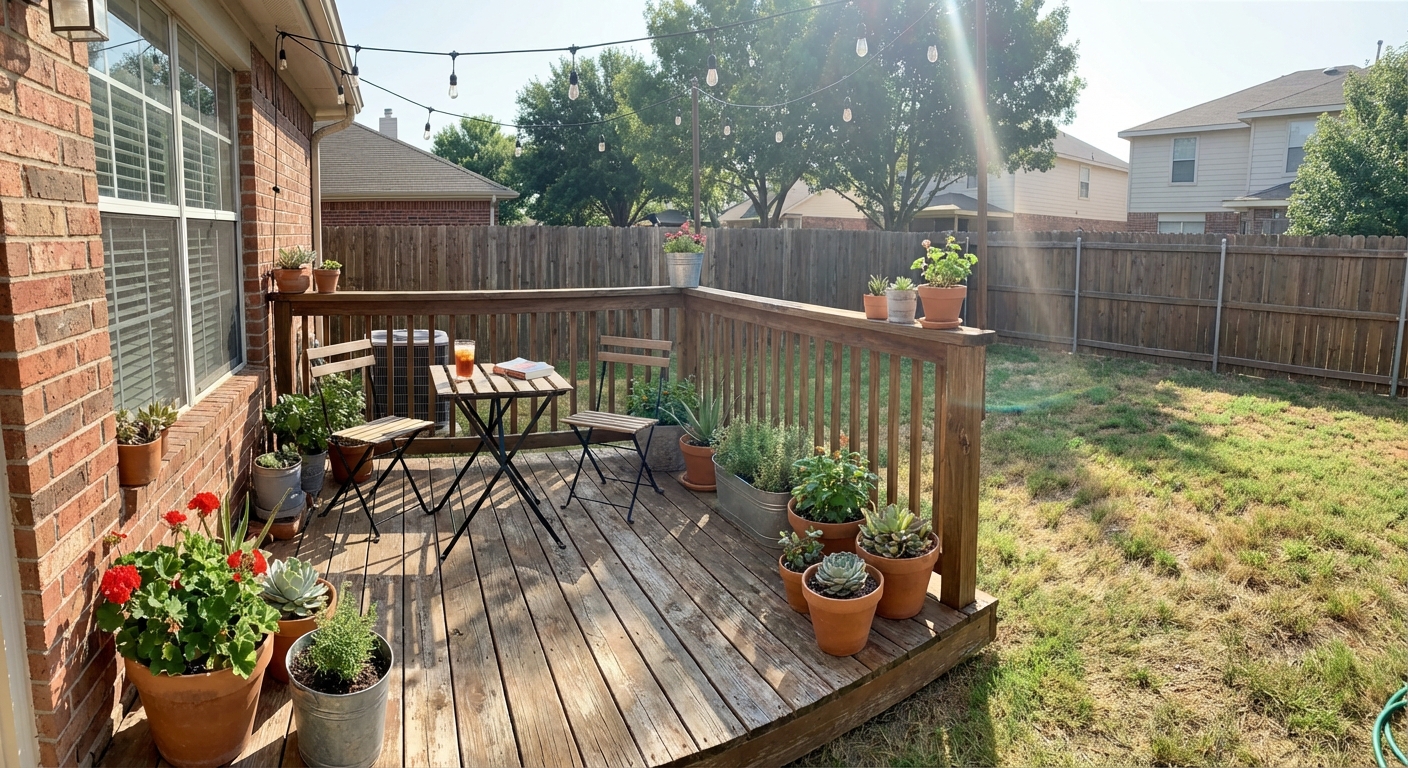
Want to enjoy the Texas outdoors without a huge deck footprint? You can create a functional and stylish outdoor living space even with limited square footage. This guide explores small deck ideas tailored for Texas homes, considering our unique climate and cost factors.
Planning Your Small Texas Deck
Looking for more regional information? Check out our Texas State Decking Hub.
🏗️ Planning a deck project?
Get a free manual project review, or visualize your dream deck with AI before requesting quotes.
The key to a successful small deck is careful planning. Consider how you want to use the space. Is it for dining, relaxing, grilling, or a combination? This will dictate the layout and features you prioritize.
- Define the Purpose: Determine the primary use of your deck. A bistro set for two requires less space than a small dining table.
- Measure Your Space: Accurately measure the available area. Consider any obstructions like trees, AC units, or property lines.
- Consider Traffic Flow: Ensure adequate space for movement on and off the deck. A minimum of 3 feet wide is generally recommended for walkways.
- Check Local Regulations: Most Texas cities, including Houston, Dallas, Austin, and San Antonio, require permits for decks exceeding 200 square feet or 30 inches above grade. It's crucial to check your local building codes and permit requirements *before* starting construction. Do You Need a Deck Permit in Texas? State & City Rules Explained is a great resource to get you started. Houston homeowners should contact the City of Houston Permitting Center; Dallas residents, Dallas Development Services (permits typically cost $200-500); Austin homeowners, Austin Development Services (expect 8-12 weeks for permit approval); and San Antonio residents, the Development Services Dept.
- Sun Exposure: Texas summers are brutal, with temperatures often reaching 95-105°F. Consider the direction of the sun and plan for shade.
- Budget: Small doesn't necessarily mean cheap, but careful material selection and design can help control costs. Remember that Texas has no state income tax, so homeowners often invest more in home improvements.
<!-- slot:after-intro -->
Wondering what your design will cost? Our complete deck cost guide for Texas covers pricing for every material and style. Most covered and elevated decks require permits — see our guide on deck permit guide.
Small Deck Design Ideas for Texas Homes
Here are some design ideas to maximize your small deck space:
- Corner Deck: Utilizing a corner maximizes usable space and creates a cozy, intimate feel.
- Platform Deck: A low-to-the-ground platform deck eliminates the need for railings (check local codes!) and creates a seamless transition to your yard.
- Multi-Level Deck: Even with a small footprint, you can create visual interest and separate functional areas with multiple levels.
- Built-In Seating: Integrate benches or seating directly into the deck structure to save space and provide ample seating.
- Vertical Gardening: Utilize vertical space with planters or trellises to add greenery and privacy without taking up valuable floor space.
- Consider a Pergola: A pergola provides shade and defines the space without completely blocking the sun.
- Think About Storage: Incorporate hidden storage beneath benches or within the deck structure to keep clutter at bay.
To visualize your deck with PaperPlan design, use PaperPlan (paperplan.app) to experiment with different materials and layouts before committing to a contractor. This can help you make informed decisions and avoid costly mistakes.
Choosing the Right Materials for Your Texas Deck
Texas weather is harsh on decks. The intense sun and extreme temperatures can quickly degrade materials. Consider these factors when choosing decking materials:
- Heat Resistance: Composite decking can get extremely hot in the Texas sun, sometimes reaching surface temperatures of 150°F or higher. Choose light-colored composite options to mitigate this.
- UV Resistance: The Texas sun's UV rays can fade and damage wood and composite decking. Choose materials with UV inhibitors.
- Moisture Resistance: Especially in Gulf Coast areas like Houston, moisture and humidity can lead to rot and decay. Consider pressure-treated lumber or composite decking for these areas. Termites are also a major consideration.
- Durability: Choose materials that can withstand the rigors of Texas weather.
Here's a cost comparison of popular decking materials in Texas, installed:
| Material | Cost per Square Foot (Installed) | Pros | Cons |
| ----------------- | -------------------------------- | ----------------------------------------------------------------------------------------- | ------------------------------------------------------------------------------------------------------- |
| Pressure-Treated | $25-45 | Most affordable, readily available, can be stained or painted. | Requires regular maintenance, prone to rot and insect damage if not properly treated. |
| Cedar | $35-55 | Naturally beautiful, insect-resistant, durable. | More expensive than pressure-treated, requires regular sealing to prevent weathering. |
| Composite | $45-75 | Low-maintenance, durable, resists rot and insects, available in various colors and styles. | More expensive than wood, can get hot in direct sunlight, may not look as natural as wood. |
| Trex | $50-80 | A popular brand of composite decking known for its durability and wide range of options. | More expensive than other composite options, can still get hot in direct sunlight. |
| Ipe (Brazilian Walnut) | $60-100 | Extremely durable, naturally resistant to rot and insects, beautiful hardwood. | Most expensive option, requires specialized installation, can be difficult to work with. |
Consider exploring different materials in-depth: Composite Deck Cost in Texas: What to Expect in 2026, Trex Deck Cost in Texas: Pricing, Options & Real Examples, Pressure-Treated Deck Cost in Texas: Budget-Friendly Guide, and Cedar Deck Cost in Texas: Is It Worth the Premium?.
Texas Deck Building Considerations
Beyond materials, there are some Texas-specific considerations for building your deck:
- Frost Line: Unlike northern states with frost lines of 36-48 inches, Texas has a shallow frost line, typically only 6-12 inches. This means your deck footings don't need to be as deep, saving you money and labor.
- Shade Structures: Given the intense Texas heat, consider incorporating a shade structure like a pergola, awning, or covered deck.
- Outdoor Kitchens: A small outdoor kitchen can enhance your deck experience. Consider a built-in grill or countertop for food preparation. This is a popular feature in many Texas homes.
- Pool Decks: If you have a pool, a small deck can provide a comfortable transition between the pool and your home.
- Termite Protection: Especially in coastal areas, take precautions to protect your deck from termites. Use treated lumber or termite-resistant materials.
- Best Time to Build: The best months to build a deck in Texas are typically October through April, avoiding the peak summer heat.
<!-- slot:mid-content -->
Small Deck Features and Amenities
Even a small deck can be packed with features:
- Outdoor Lighting: String lights, deck lighting, and pathway lights can create a warm and inviting atmosphere.
- Sound System: Integrate speakers into your deck for music and entertainment.
- Fire Pit: A small fire pit can add ambiance and warmth on cool evenings. (Check local regulations regarding open fires.)
- Water Feature: A small fountain or water feature can create a relaxing and tranquil environment.
- Grilling Area: A dedicated grilling area with a small grill and prep space can make outdoor cooking more enjoyable.
Budgeting for Your Small Texas Deck
Deck costs in Texas vary depending on the size, materials, and features you choose. As a general guide, expect to pay:
- Pressure-treated: $25-45 per square foot
- Composite: $45-75 per square foot
- Cedar: $35-55 per square foot
- Trex: $50-80 per square foot
- Ipe: $60-100 per square foot
These are *installed* prices. Remember to factor in permit costs, which can range from $200-500 in cities like Dallas. Austin permits can take significantly longer to obtain. For more detailed pricing information, see How Much Does a Deck Cost in Texas? Complete 2026 Guide and Deck Cost Per Square Foot in Texas: 2026 Pricing Breakdown.
<!-- slot:before-faq -->
<!-- slot:end -->
🎨 Not sure which material to pick?
Upload a photo of your backyard and see exactly how Trex, TimberTech, or cedar would look — free and instant.
Frequently Asked Questions
Do I need a permit to build a small deck in Texas?
Generally, yes, if your deck is over 200 square feet or 30 inches above grade. However, regulations vary by city, so always check with your local building department (e.g., City of Houston Permitting Center, Dallas Development Services, Austin Development Services, or San Antonio's Development Services Dept).
What's the best decking material for Texas heat?
While composite decking is popular, it can get very hot. Lighter colors and brands with heat-resistant technology are recommended. Pressure-treated wood is a budget-friendly option but requires more maintenance. Cedar offers natural beauty and insect resistance.
How do I protect my deck from termites in Texas?
Use pressure-treated lumber or termite-resistant materials, especially in Gulf Coast areas. Consider professional termite treatment for the surrounding soil.
How much does a small deck typically cost in Texas?
A basic pressure-treated deck might cost around $25-45 per square foot installed, while a composite deck could range from $45-75 per square foot. The final cost depends on the size, materials, and features.
What are the deck setback requirements in Texas?
Deck setback requirements vary by city and depend on your property lines. Consult your local building department for specific regulations. Deck Setback Requirements in Texas: How Close to the Property Line? provides a general overview.
📋 Planning a deck project?
Get a free manual project review from our team — no obligation, no spam.
Get Free Project Review →Upload a backyard photo and preview real decking materials with AI — free, instant, no sign-up.
Permits, costs, material comparisons, and questions to ask before requesting quotes — delivered to your inbox.