
Miami Deck Permit: Requirements, Costs &…
Planning a deck in Miami? Navigating Miami-Dade's strict permit process is key. Learn about requirements, costs, and avoid costly delays.
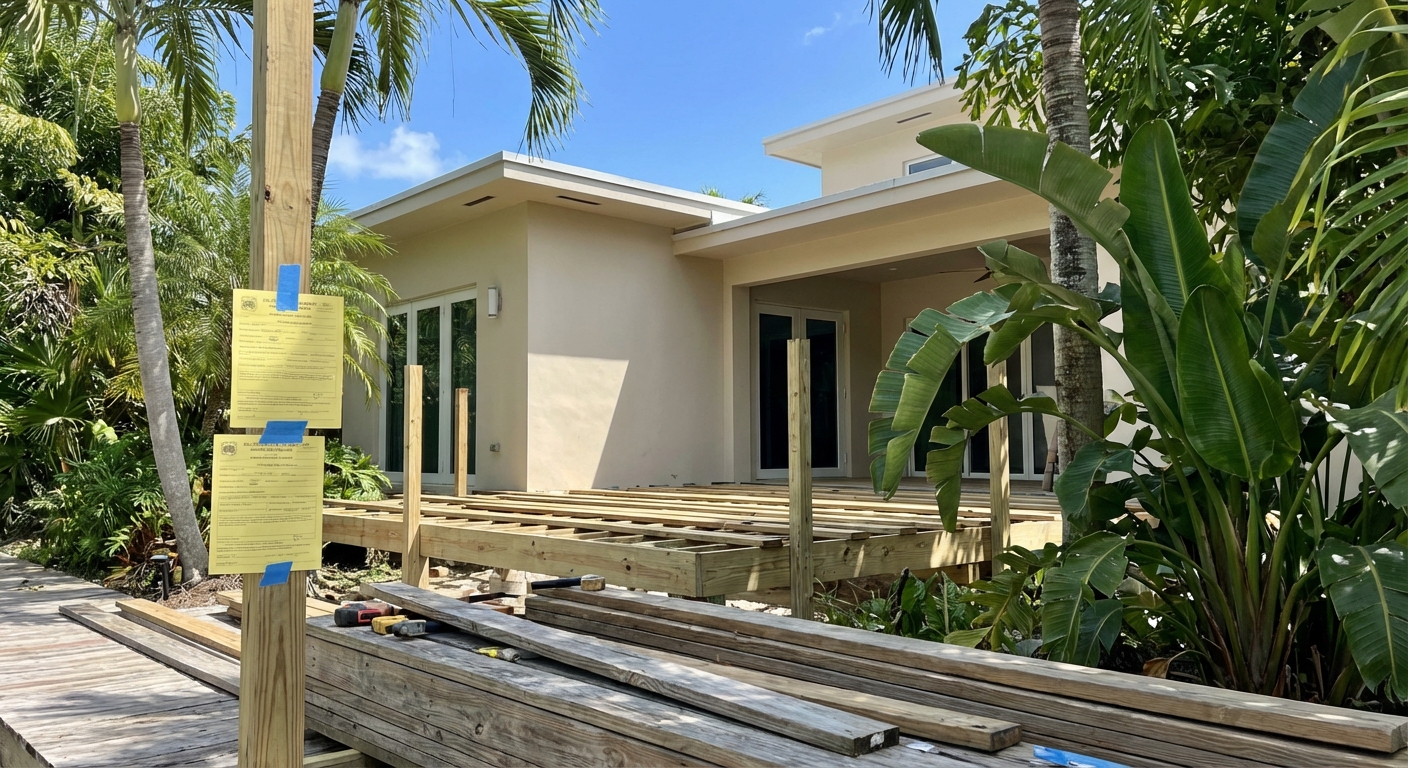
Are you dreaming of a new deck to enjoy Miami's beautiful weather? Before you break ground, you need to understand Miami-Dade County's stringent permitting process. Miami-Dade has some of the strictest building codes in the entire US, thanks to its location in a High Velocity Hurricane Zone. This guide will walk you through everything you need to know about obtaining a deck permit in Miami, from understanding the requirements to estimating the costs and navigating the local regulations. Ignoring these rules can lead to hefty fines and forced removal of your deck. Let's make sure you're building legally and safely.
📋 Tool Alert: Permit Checker
Do you really need a permit? Check the exact rules for your city or township.
Check Permits →<!-- slot:after-intro -->
Looking for more regional information? Check out our Florida State Decking Hub.
Do You Need a Deck Permit in Miami?
Yes, almost certainly. In Miami-Dade County, you'll generally need a permit for any deck that is:
🏗️ Planning a deck project?
Get a free manual project review, or visualize your dream deck with AI before requesting quotes.
- Larger than 200 square feet.
- More than 30 inches above grade (ground level).
Even smaller, ground-level decks might require a permit depending on your specific property and local zoning regulations. It's always best to check with the Miami-Dade County Building Department to confirm.
Why Are Miami Deck Permits So Strict?
Miami-Dade's strict building codes, including those affecting deck construction, are in place for a few key reasons:
- Hurricane Resistance: Located in a High Velocity Hurricane Zone, decks must be able to withstand extreme wind uplift forces. The Florida Building Code reflects this need, with Miami-Dade having even stricter interpretations.
- Safety: Permits ensure your deck is structurally sound and built to code, minimizing the risk of collapse or other hazards.
- Property Lines and Zoning: Permits verify your deck doesn't encroach on property lines or violate zoning regulations concerning setbacks and allowable lot coverage. Miami lots can be small, especially in neighborhoods like South Beach or Coconut Grove, making setbacks critical.
What Happens If You Build Without a Permit?
Building without a permit in Miami-Dade carries significant consequences:
- Fines: You could face substantial fines, often starting in the hundreds of dollars and escalating based on the severity of the violation.
- Stop-Work Orders: The county can issue a stop-work order, halting construction until you obtain the necessary permits.
- Forced Removal: In the worst-case scenario, you may be required to demolish and remove the unpermitted deck at your own expense.
- Difficulty Selling Your Home: Unpermitted structures can complicate or even prevent the sale of your property.
Miami-Dade Deck Permit Requirements: A Step-by-Step Guide
Getting a deck permit in Miami involves several steps. Here's a breakdown:
1. Design and Planning
- Create Detailed Plans: You'll need to submit detailed deck plans, including dimensions, materials, and construction methods. These plans must be drawn to scale and clearly show compliance with the Florida Building Code and Miami-Dade amendments. Consider using PaperPlan (paperplan.app) to visualize your deck with PaperPlan design with different materials and layouts before committing to a contractor.
- Site Plan: Include a site plan showing the location of the deck in relation to your property lines, house, and other structures.
- Engineering Calculations: Decks exceeding certain sizes or heights may require engineered drawings and calculations to demonstrate structural integrity under hurricane conditions.
- Material Selection: Choose materials that meet Florida Building Code requirements and are suitable for Miami's climate. Given Florida's brutal humidity (often 70-90% year-round), pressure-treated lumber or composite decking are common choices.
- Consider the Climate: Miami's year-round UV exposure will degrade finishes faster. Mold and mildew are constant maintenance issues. Plan accordingly with proper sealing and cleaning protocols.
2. Application Submission
- Miami-Dade County Building Department: All permits are obtained through the Miami-Dade County Building Department. Their website has forms and guidelines.
- Required Documents: Gather all necessary documents, including your completed application form, deck plans, site plan, engineering calculations (if required), and any other supporting documents.
- Online or In-Person Submission: You can typically submit your application online or in person at the Building Department. Online submissions are generally faster.
- Application Fee: Pay the required application fee. Fees vary depending on the size and complexity of your deck project.
3. Plan Review
- Review Process: The Building Department will review your plans to ensure they comply with all applicable codes and regulations.
- Corrections and Revisions: Be prepared for potential corrections or revisions. The Building Department may request changes to your plans to address any code violations or concerns.
- Resubmission: If corrections are required, you'll need to revise your plans and resubmit them for review. This process can sometimes take multiple iterations.
4. Permit Issuance
- Permit Approval: Once your plans are approved, you'll receive your deck permit.
- Posting the Permit: Post the permit in a visible location on your property during construction.
5. Inspections
- Required Inspections: Schedule required inspections at various stages of construction, such as footing inspection, framing inspection, and final inspection.
- Inspector Approval: Ensure each inspection is approved by the Building Department inspector before proceeding to the next stage of construction.
- Addressing Deficiencies: If the inspector identifies any deficiencies, correct them promptly and schedule a re-inspection.
6. Final Approval
- Final Inspection: Once the deck is complete, schedule a final inspection.
- Certificate of Completion: Upon successful completion of the final inspection, you'll receive a Certificate of Completion, signifying that your deck is built to code and legally permitted.
<!-- slot:mid-content -->
Miami Deck Permit Costs: What to Expect
The cost of a deck permit in Miami-Dade County varies depending on several factors, including:
- Deck Size: Larger decks generally require more extensive plan review and inspections, resulting in higher permit fees.
- Deck Complexity: Complex designs or decks requiring engineered drawings will typically have higher permit costs.
- Construction Value: The overall cost of your deck project can also influence the permit fees.
Here's a general estimate of deck permit costs in Miami-Dade:
- Minimum Permit Fee: Expect to pay at least $200-$300 for a simple, small deck permit.
- Larger or More Complex Decks: Permit fees can easily exceed $500 or even $1000+ for larger or more complex deck projects requiring engineering.
Other Costs to Consider:
- Plan Preparation: Hiring an architect or engineer to prepare your deck plans can cost $500 to $2000+, depending on the complexity of the design.
- Inspection Fees: Re-inspection fees may apply if you fail an inspection and need the inspector to return.
It's always best to contact the Miami-Dade County Building Department directly for an accurate estimate of permit fees for your specific project.
Average Deck Costs in Florida (Installed):
| Material | Cost per Square Foot |
|-------------------|-----------------------|
| Pressure-Treated | $25 - $45 |
| Composite | $45 - $75 |
| Cedar | $35 - $60 |
| Ipe (Brazilian Walnut) | $65 - $110 |
Remember to factor in the cost of materials and labor in addition to the permit fees.
Navigating Miami-Dade's Building Department
Dealing with the Miami-Dade County Building Department can be challenging. Here are some tips to help you navigate the process smoothly:
- Start Early: Begin the permit process well in advance of your planned construction start date. Expect 6-12 weeks for permit approval.
- Be Prepared: Gather all necessary documents and information before submitting your application.
- Be Patient: The plan review process can take time, especially during peak construction seasons.
- Communicate Effectively: Maintain open communication with the Building Department and respond promptly to any requests for information or corrections.
- Consider Hiring a Professional: If you're feeling overwhelmed, consider hiring a licensed contractor or permit expediter to help you navigate the process. They can handle the paperwork, coordinate with the Building Department, and ensure your project complies with all applicable codes.
Deck Building Considerations for Miami's Climate
Miami's unique climate presents specific challenges for deck construction. Here's what you need to keep in mind:
- Material Selection: Choose materials that are resistant to moisture, insects, and UV damage. Pressure-treated lumber, composite decking, and certain hardwoods like Ipe are popular choices. Refer to Best Decking Material for Florida Humidity for more information.
- Fasteners: Use corrosion-resistant fasteners, such as stainless steel, to prevent rust and degradation in the humid environment.
- Termite Protection: Take steps to protect your deck from termites, which are a major threat in Florida. Pressure-treated lumber is essential, and consider additional termite treatments. The Formosan subterranean termite is particularly aggressive.
- Water Management: Design your deck with proper drainage to prevent water from pooling and causing rot or decay.
- Hurricane Resistance: Ensure your deck is built to withstand hurricane-force winds. This may involve using stronger connections, reinforced framing, and specialized anchoring systems. See Florida Deck Building Codes: Key Requirements for 2026 for more details.
- Slip Resistance: If you're building a pool deck, slip resistance is critical. Choose materials with a textured surface or apply a slip-resistant coating. Check out Pool Deck Ideas for Florida Homes: Materials, Costs & Designs for inspiration.
- Best Time to Build: The best months to build a deck in Miami are typically November through April, during the dry season when temperatures are milder.
<!-- slot:before-faq -->
Building a deck in Miami requires careful planning and attention to detail, especially when it comes to navigating the permitting process. By understanding the requirements, costs, and local regulations, you can ensure your deck project is completed safely, legally, and to your satisfaction. Don't hesitate to seek professional help from a licensed contractor or permit expediter if you need assistance.
<!-- slot:end -->
🎨 Not sure which material to pick?
Upload a photo of your backyard and see exactly how Trex, TimberTech, or cedar would look — free and instant.
Frequently Asked Questions
Do I need a permit to replace existing deck boards?
Generally, if you're only replacing deck boards and not altering the structure of the deck, you may not need a permit. However, it's always best to check with the Miami-Dade County Building Department to confirm, especially if you're changing the type of decking material.
How long does it take to get a deck permit in Miami-Dade County?
The permit process can take anywhere from 6 to 12 weeks or longer, depending on the complexity of the project and the workload of the Building Department.
Can I build a deck myself in Miami, or do I need to hire a licensed contractor?
You can build a deck yourself, but you'll still need to obtain the necessary permits and ensure the deck meets all applicable codes. Hiring a licensed contractor is recommended, as they have the experience and expertise to navigate the permitting process and build a safe, structurally sound deck. If you do hire someone, research Best Deck Builders in Miami: How to Find the Right Contractor.
What are the setback requirements for decks in Miami-Dade County?
Setback requirements vary depending on your property's zoning and location. Contact the Miami-Dade County Planning and Zoning Department for specific setback requirements for your property. They will determine how far your deck must be from property lines and other structures.
What are some common reasons for deck permit rejections in Miami-Dade?
Common reasons for permit rejections include incomplete or inaccurate plans, failure to meet setback requirements, non-compliance with the Florida Building Code, inadequate hurricane resistance measures, and lack of proper documentation.
📋 Planning a deck project?
Get a free manual project review from our team — no obligation, no spam.
Get Free Project Review →Upload a backyard photo and preview real decking materials with AI — free, instant, no sign-up.
Permits, costs, material comparisons, and questions to ask before requesting quotes — delivered to your inbox.