
Pool Deck Ideas for Florida Homes (2026)
Dreaming of a perfect pool deck in Florida? Explore materials, costs, designs, and building codes to create your ideal backyard oasis.
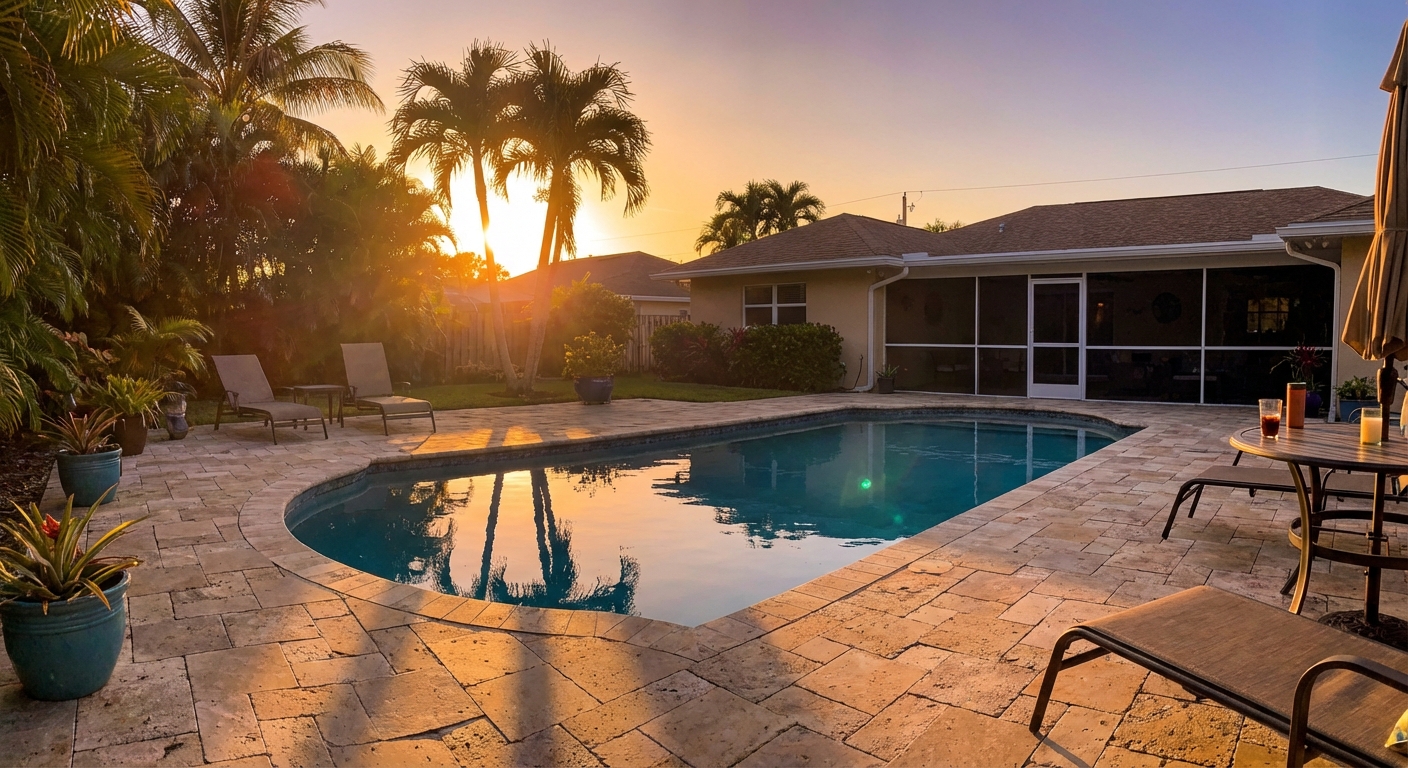
Are you a Florida homeowner looking to create the ultimate poolside retreat? Your pool deck is more than just a surface; it's an extension of your living space, a place for relaxation, entertaining, and soaking up the Florida sun. But with the Sunshine State's unique climate and strict building codes, choosing the right materials and design is crucial. This guide will walk you through everything you need to know to create a stunning and durable pool deck that complements your Florida home.
Choosing the Right Materials for Your Florida Pool Deck
Looking for more regional information? Check out our Florida State Decking Hub.
🏗️ Planning a deck project?
Get a free manual project review, or visualize your dream deck with AI before requesting quotes.
Florida's intense humidity, strong UV rays, and potential for hurricanes demand careful consideration when selecting decking materials. What works in other states might quickly deteriorate here. Let's look at some popular options and their suitability for Florida's environment:
- Pressure-Treated Wood: A budget-friendly option, pressure-treated lumber is chemically treated to resist rot, decay, and insect infestation, crucial in Florida where termites are a major concern. It's readily available and relatively easy to work with. However, it requires regular maintenance, including cleaning, staining, and sealing, to prevent warping, cracking, and fading due to the sun and humidity. Expect to pay around $25-45 per square foot installed.
- Composite Decking: Made from a blend of recycled plastic and wood fibers, composite decking offers excellent durability and low maintenance. It resists fading, staining, scratching, and insect damage, making it a popular choice for Florida homeowners. It also offers superior slip resistance, essential around a pool. While more expensive upfront than pressure-treated wood, it can save you money in the long run by eliminating the need for frequent repairs and upkeep. Expect to pay around $45-75 per square foot installed. Consider Composite vs Wood Decking in Florida: Pros, Cons & Costs for a deeper comparison.
- Cedar: Known for its natural beauty and resistance to decay and insects, cedar is a popular choice for decks. However, it's softer than other hardwoods and requires regular sealing to prevent water damage and fading in Florida's harsh climate. While naturally resistant, consider pressure-treating the substructure for enhanced termite protection. Expect to pay around $35-60 per square foot installed.
- Ipe (Brazilian Walnut): This exotic hardwood is incredibly dense and durable, making it highly resistant to rot, decay, insects, and wear. Ipe is also naturally slip-resistant and requires minimal maintenance. However, it's the most expensive decking material option and can be challenging to work with, requiring specialized tools and expertise. Expect to pay around $65-110 per square foot installed.
Here's a quick comparison table:
| Material | Cost (Installed) | Maintenance | Durability | Pros | Cons |
| -------------------- | ----------------- | ----------- | ------------- | ------------------------------------------------------------------ | --------------------------------------------------------------------- |
| Pressure-Treated Wood | $25-45/sqft | High | Moderate | Affordable, readily available | Requires frequent maintenance, prone to warping and cracking |
| Composite Decking | $45-75/sqft | Low | High | Low maintenance, durable, slip-resistant | More expensive upfront |
| Cedar | $35-60/sqft | Moderate | Moderate | Beautiful, naturally resistant to decay and insects | Requires regular sealing, softer than other hardwoods |
| Ipe | $65-110/sqft | Low | Very High | Extremely durable, naturally slip-resistant, low maintenance | Most expensive, difficult to work with |
<!-- slot:after-intro -->
Wondering what your design will cost? Our complete deck cost guide for Florida covers pricing for every material and style. Most covered and elevated decks require permits — see our guide on deck permit guide.
Florida-Specific Considerations: Humidity, Hurricanes, and Permits
Building a pool deck in Florida isn't the same as building one in other parts of the country. You need to account for the unique challenges posed by the state's environment and regulations.
The Humidity Factor
Florida's relentless humidity, averaging 70-90% year-round, creates a breeding ground for mold and mildew. Choose materials that are naturally resistant to moisture or can be effectively sealed to prevent water damage. Regular cleaning with a mold and mildew-resistant cleaner is essential for maintaining your deck's appearance and longevity.
Hurricane Building Codes
The Florida Building Code (FBC) mandates specific requirements for deck construction to withstand hurricane-force winds. Your deck must be securely anchored to the ground or your home to prevent wind uplift. The specific requirements vary depending on your location and the height of your deck. Miami-Dade County has the strictest building codes in the United States, particularly within the High Velocity Hurricane Zone (HVHZ). Ensure your contractor is familiar with these codes and obtains the necessary permits. Refer to Florida Deck Building Codes: Key Requirements for 2026 for more details.
Termite Infestation
Formosan subterranean termites are a significant threat in Florida. Pressure-treated lumber is a must for any wood components of your deck, including the substructure. Consider using termite bait stations around your property to further protect your investment.
Permits and Regulations
Most Florida cities require permits for decks exceeding 200 square feet or 30 inches above grade. The permitting process can vary depending on your location. In Miami-Dade County, expect a stringent review process that can take 6-12 weeks. In Tampa/Hillsborough County, permits are obtained through the county's Building Services department. Always check with your local building department before starting any construction to avoid costly fines and delays. See Do You Need a Deck Permit in Florida? State & City Rules for a detailed city-by-city breakdown. For specific permit guidance, check out Miami Deck Permit: Requirements, Costs & Miami-Dade Rules or Tampa Deck Permit Guide: What You Need Before Building.
UV Exposure
Florida's intense sunshine can degrade deck finishes quickly. Choose UV-resistant stains, sealants, and composite decking materials to minimize fading and discoloration. Regular maintenance is crucial to protect your deck from the sun's damaging effects.
Best Time to Build
The best time to build a deck in Florida is during the dry season, from November to April. The weather is milder, and there's less chance of rain disrupting your project.
<!-- slot:mid-content -->
Pool Deck Design Ideas for Florida Homes
Now that you understand the material and regulatory considerations, let's explore some design ideas to inspire your pool deck project:
- Ground-Level Decks: Perfect for Florida's flat terrain and high water tables, ground-level decks create a seamless transition between your pool and yard. They're also easier to build and require fewer permits in some cases.
- Multi-Level Decks: Add visual interest and create distinct zones for lounging, dining, and grilling with a multi-level deck. This design is great for properties with slight elevation changes.
- Curved Decks: Soften the lines of your pool area with a curved deck design. This can be achieved with wood or composite decking and adds a touch of elegance to your outdoor space.
- Built-In Seating: Incorporate built-in benches and seating areas into your deck design for comfortable and convenient lounging. This also maximizes space and creates a cohesive look.
- Pergolas and Shade Structures: Provide respite from the Florida sun with a pergola or other shade structure. This allows you to enjoy your pool deck even on the hottest days.
- Outdoor Kitchens: Elevate your pool deck with an outdoor kitchen, complete with a grill, countertop, and storage space. This is perfect for entertaining and enjoying meals poolside.
- Fire Pits: Extend the usability of your pool deck into the cooler months with a fire pit. This creates a cozy and inviting atmosphere for evening gatherings.
- Consider Slip Resistance: Given the high likelihood of wet surfaces, prioritize slip resistance. Opt for textured composite decking or apply a slip-resistant coating to wood decks.
Use PaperPlan (paperplan.app) to visualize your deck with PaperPlan design with different materials and layouts before committing to a contractor. This can help you make informed decisions and avoid costly mistakes.
Finding the Right Contractor
Choosing the right contractor is crucial for a successful pool deck project. Look for a licensed and insured contractor with experience building decks in Florida, particularly in your local area. Get multiple quotes and check references before making a decision. A good contractor will be familiar with Florida building codes, understand the challenges of the local climate, and provide a detailed contract outlining the scope of work, materials, and timeline. If you're in the Tampa area, consider researching the Best Deck Builders in Tampa: How to Find the Right Contractor. Homeowners in Orlando can check out Best Deck Builders in Orlando: What to Look For in 2026, and Jacksonville residents can refer to Best Deck Builders in Jacksonville: Local Guide. Homeowners in Fort Lauderdale can find qualified professionals at Best Deck Builders in Fort Lauderdale: How to Choose in 2026.
<!-- slot:before-faq -->
Building a pool deck in Florida requires careful planning and consideration of the state's unique environment and regulations. By choosing the right materials, understanding the building codes, and working with a qualified contractor, you can create a beautiful and durable outdoor space that you'll enjoy for years to come. Remember to factor in the costs. For a broader look at budgeting, review How Much Does a Deck Cost in Florida? Complete 2026 Guide or Deck Cost in Miami: Local Pricing Guide for 2026 or Deck Cost in Fort Lauderdale: 2026 Local Pricing Guide. If you're considering cedar, read Cedar Deck Cost in Florida: Is It Worth It in the Humidity?. And to get an idea of composite pricing, look at Composite Deck Cost in Florida: What to Expect in 2026. Also, consider Best Decking Material for Florida Humidity before making a final choice.
<!-- slot:end -->
🎨 Not sure which material to pick?
Upload a photo of your backyard and see exactly how Trex, TimberTech, or cedar would look — free and instant.
Frequently Asked Questions
What type of decking is best for a saltwater pool in Florida?
Composite decking is generally considered the best option for saltwater pools in Florida due to its resistance to salt corrosion and moisture damage. Ipe is another excellent choice, but it comes at a higher cost. Pressure-treated wood can be used, but it requires regular sealing and maintenance to protect it from the salt.
How often should I seal my wood deck in Florida?
You should seal your wood deck in Florida every 12-18 months, depending on the type of sealant used and the amount of sun exposure it receives. Regularly inspect your deck for signs of water damage, such as cracking, warping, or discoloration, and re-seal as needed.
What are the wind uplift requirements for pool decks in Florida?
The wind uplift requirements for pool decks in Florida vary depending on your location and the height of your deck. Consult with your local building department and a qualified contractor to determine the specific requirements for your project. In general, decks must be securely anchored to the ground or your home to resist wind forces.
How much does it cost to maintain a wood pool deck in Florida?
The cost of maintaining a wood pool deck in Florida can range from $200 to $500 per year, depending on the size of your deck and the type of maintenance required. This includes cleaning, sealing, staining, and repairing any damage. Composite decks will have much lower maintenance costs.
Do I need a permit to replace my existing pool deck in Florida?
In many cases, yes. Even replacing an existing deck often requires a permit, especially if you're altering the size, shape, or height of the deck, or if you're changing the materials. Check with your local building department to determine the specific requirements for your project.
📋 Planning a deck project?
Get a free manual project review from our team — no obligation, no spam.
Get Free Project Review →Upload a backyard photo and preview real decking materials with AI — free, instant, no sign-up.
Permits, costs, material comparisons, and questions to ask before requesting quotes — delivered to your inbox.