
Deck Skirting Ideas for Texas (2026)
Boost your Texas deck's curb appeal! Explore stylish deck skirting ideas, materials, costs & local permit info. Transform your outdoor space today!
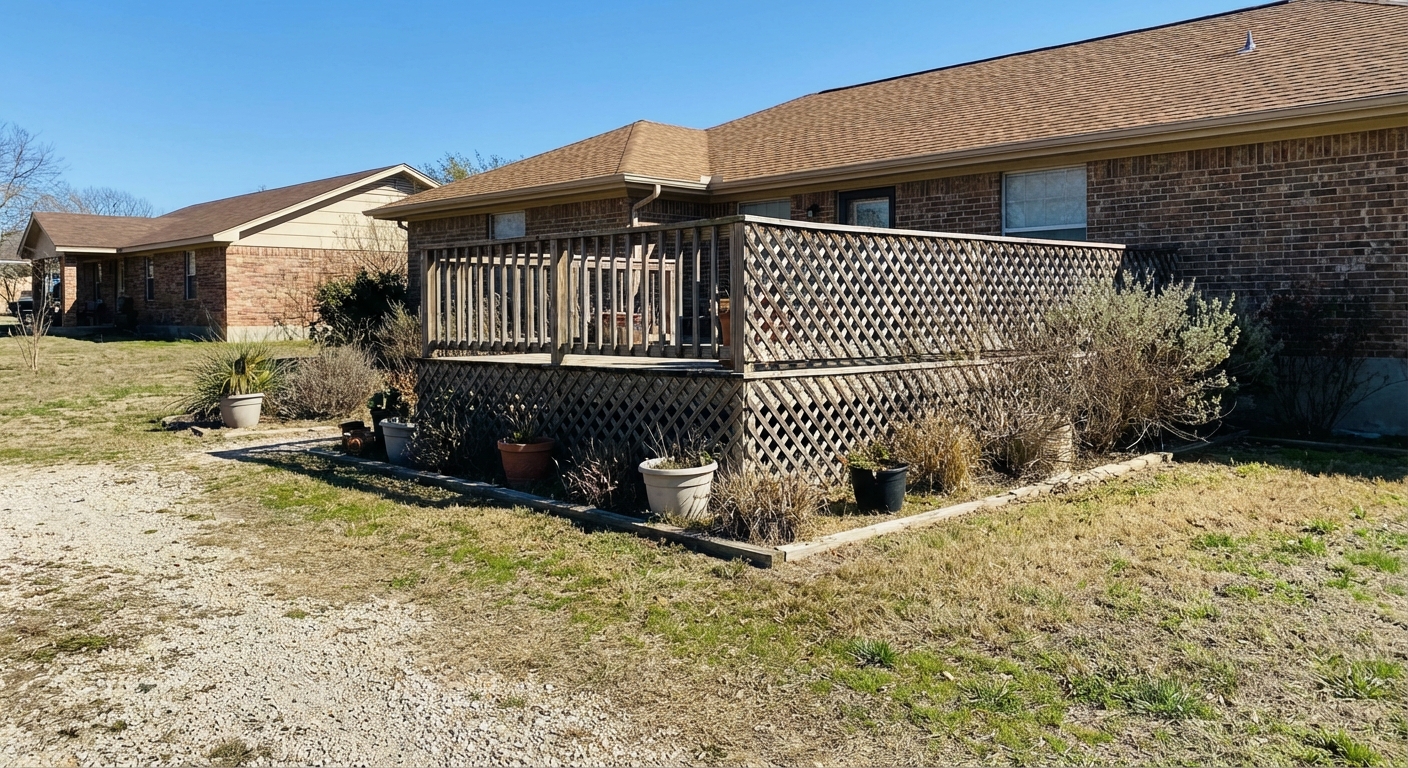
Are you tired of staring at the unsightly underside of your deck? Deck skirting is the perfect solution to conceal the supports, create a finished look, and even add extra storage. But in Texas, you need skirting ideas that can withstand the intense heat and humidity. This guide will walk you through the best options for your Texas deck, considering cost, durability, and style.
📐 Tool Alert: Deck Stair Calculator
Calculate rise, run, and stringer cuts while ensuring IRC/OBC code compliance.
Calculate Stairs →Why Deck Skirting Matters in Texas
Looking for more regional information? Check out our Texas State Decking Hub.
🏗️ Planning a deck project?
Get a free manual project review, or visualize your dream deck with AI before requesting quotes.
Beyond aesthetics, deck skirting offers several benefits, particularly important in the Texas climate:
- Improved Appearance: Instantly enhances your deck's curb appeal by hiding the unattractive undercarriage.
- Pest Control: Helps prevent animals like rodents, snakes, and insects from nesting under your deck. This is especially important in Texas, with our abundant wildlife.
- Storage Space: Creates enclosed storage areas for lawn equipment, pool supplies, or other outdoor items.
- Protection from the Elements: Reduces wind and debris from blowing under the deck, keeping the area cleaner and potentially protecting plumbing or electrical lines.
- Enhanced Safety: Prevents children and pets from crawling underneath.
<!-- slot:after-intro -->
Texas homeowners, who don't pay state income tax, often reinvest those savings into home improvements. Skirting is a relatively affordable upgrade that can significantly increase your deck's value and enjoyment. But remember, most Texas cities, including Houston, Dallas, Austin, and San Antonio, require permits for decks exceeding 200 sqft or 30 inches above grade, so check local regulations before starting any skirting project.
Deck Skirting Material Options for the Texas Climate
Choosing the right material is crucial for long-lasting deck skirting in Texas. The extreme heat (95-105°F+ summers, with composite surface temps exceeding 150°F), intense UV exposure, and humidity (especially along the Gulf Coast) can wreak havoc on inferior materials.
Here's a breakdown of popular options, along with their pros, cons, and estimated costs:
| Material | Pros | Cons | Estimated Cost (Materials Only) |
| ---------------------- | --------------------------------------------------------------------------------------------------- | ------------------------------------------------------------------------------------------------------------------------------------ | ------------------------------- |
| Pressure-Treated Wood | Affordable, readily available, easy to work with, resists rot and insects. | Can warp, crack, and splinter over time, requires regular staining or sealing, susceptible to moisture damage in humid areas. | $1 - $3 per linear foot |
| Cedar | Naturally beautiful, resists rot and insects, less prone to warping than pressure-treated wood. | More expensive than pressure-treated wood, requires regular sealing to maintain its color. | $3 - $6 per linear foot |
| Composite | Low maintenance, durable, resists fading, rot, and insects, available in various colors and textures. | More expensive than wood, can get very hot in direct sunlight, may require specialized fasteners. | $5 - $10 per linear foot |
| Vinyl | Very low maintenance, resists moisture and insects, easy to clean. | Can look less natural than wood or composite, limited color options, can become brittle in extreme cold. | $4 - $8 per linear foot |
| Metal (Aluminum/Steel) | Durable, modern look, resists rust and insects, fire-resistant. | Can be expensive, may require professional installation, can dent or scratch, can get hot in direct sunlight. | $8 - $15 per linear foot |
| Brick/Stone Veneer | Durable, adds a high-end look, low maintenance. | Most expensive option, requires professional installation, can be difficult to match existing home architecture. | $15 - $30 per linear foot |
Pressure-Treated Wood Skirting
Pressure-treated lumber is often the most budget-friendly option. While susceptible to warping and cracking under the Texas sun, regular sealing and staining can significantly extend its lifespan. Consider using thicker lumber for added stability. Remember that pressure-treated decks themselves cost around $25-$45/sqft installed in Texas.
Cedar Skirting
Cedar offers a more natural look with better resistance to rot and insects compared to pressure-treated wood. While a cedar deck costs around $35-$55/sqft installed, the skirting is a smaller portion and worth the upgrade. Sealing is still recommended to prevent fading and maintain its rich color.
Composite Skirting
Composite decking materials, such as Trex or TimberTech, are excellent choices for skirting due to their durability and low maintenance. While a full composite deck can cost $45-$75/sqft installed, or even $50-$80/sqft for Trex specifically, composite skirting offers a long-term solution that resists fading, rotting, and insect damage. Be mindful of the potential for high surface temperatures in direct sunlight; darker colors will absorb more heat. For insights on the best brands for Texas heat, check out Best Composite Decking for Texas Heat: Top Brands Compared.
Vinyl Skirting
Vinyl is another low-maintenance option that resists moisture and insects. However, its appearance may not be as appealing as wood or composite. It's also essential to choose a high-quality vinyl that can withstand temperature fluctuations without becoming brittle.
Metal Skirting
Metal skirting, particularly aluminum or steel, provides a modern and durable look. It's fire-resistant and resists rust and insects. However, it can be more expensive and may require professional installation.
Brick or Stone Veneer Skirting
For a high-end look, consider brick or stone veneer. This option is incredibly durable and low-maintenance but also the most expensive. Professional installation is typically required.
Deck Skirting Design Ideas for Texas Homes
Now that you know the material options, let's explore some design ideas that complement Texas architecture:
- Horizontal Planks: A classic and versatile option that works well with most home styles. You can vary the width and spacing of the planks for different looks.
- Vertical Planks: Creates a more contemporary feel. Consider using different widths or staggering the planks for added visual interest.
- Lattice: Provides ventilation and a traditional aesthetic. Choose a weather-resistant lattice material like vinyl or composite.
- Solid Panels: Offers complete privacy and a clean, modern look. Can be made from wood, composite, or vinyl.
- Decorative Cutouts: Add visual interest with geometric shapes, floral patterns, or custom designs. This works well with wood or composite.
- Faux Stone or Brick: Achieves the look of real stone or brick without the added cost and weight.
- Board and Batten: A rustic and charming style that complements farmhouse or country homes.
- Angled Skirting: A unique and eye-catching design that adds dimension to your deck.
- Integrated Storage: Incorporate doors or panels to create hidden storage compartments.
When choosing a design, consider your home's architectural style, your personal preferences, and the level of privacy you desire. Use PaperPlan (paperplan.app) to visualize your deck with PaperPlan design with different materials and layouts before committing to a contractor.
Building Your Deck Skirting: DIY vs. Professional
Deciding whether to DIY or hire a professional depends on your skills, time, and budget.
DIY:
- Pros: Saves money on labor costs, allows for customization, and provides a sense of accomplishment.
- Cons: Requires time, effort, and knowledge of carpentry skills, may require specialized tools, and can be challenging to achieve a professional finish.
Professional Installation:
- Pros: Ensures a professional and durable installation, saves time and effort, and provides peace of mind.
- Cons: More expensive than DIY, requires researching and hiring a reputable contractor.
If you're comfortable with basic carpentry and have the time, DIY skirting can be a cost-effective option. However, for complex designs or if you lack the necessary skills, hiring a professional is recommended.
Permits and Regulations in Texas
Before starting any deck or skirting project, it's crucial to check local permit requirements and building codes. Most Texas cities, including Houston, Dallas, Austin, and San Antonio, require permits for decks exceeding 200 sqft or 30 inches above grade.
- Houston: No zoning, but permits are required from the City of Houston Permitting Center. See Houston Deck Permit: Requirements, Costs & How to Apply for details.
- Dallas: Permits are processed through Dallas Development Services, with fees ranging from $200-$500. Learn more at Dallas Deck Permit Guide: What You Need Before Building.
- Austin: Permits are obtained through Austin Development Services, but be prepared for potentially long processing times (8-12 weeks). Check out Austin Deck Permit: Everything Homeowners Need to Know for guidance.
- San Antonio: Permits are handled by the Development Services Department and are generally processed relatively quickly. Details can be found at San Antonio Deck Permit: Rules, Fees & Process.
Failing to obtain the necessary permits can result in fines and delays. Also, be aware of deck setback requirements in Texas, which dictate how close to your property line you can build (covered in Deck Setback Requirements in Texas: How Close to the Property Line?).
<!-- slot:mid-content -->
Step-by-Step Guide to Installing Wood Deck Skirting (DIY)
This is a simplified guide for installing basic wood deck skirting. Always consult local building codes and follow manufacturer's instructions.
Tools and Materials:
- Pressure-treated lumber (or cedar)
- Measuring tape
- Circular saw
- Drill/driver
- Screws
- Level
- Shovel
- Gravel
- Weed barrier fabric
- Construction adhesive
- Safety glasses
- Gloves
Steps:
1. Prepare the Area: Clear any vegetation or debris from under the deck. Install weed barrier fabric to prevent weed growth.
2. Install a Base: Dig a shallow trench along the perimeter of the deck. Fill with gravel for drainage. This will prevent the wood from direct contact with the ground. Because Texas has a shallow frost line of only 6-12 inches, you don't need deep footings like in colder climates.
3. Cut the Lumber: Measure the height from the deck to the ground. Cut the lumber to the desired length for the skirting panels.
4. Attach the Skirting: Attach the skirting panels to the deck frame using screws and construction adhesive. Ensure the panels are level and evenly spaced.
5. Add Trim (Optional): Install trim boards along the top and bottom of the skirting for a more finished look.
6. Seal or Stain: Apply a sealant or stain to protect the wood from the elements.
Important Considerations:
- Ventilation: Provide adequate ventilation to prevent moisture buildup under the deck. This can be achieved by leaving small gaps between the skirting panels or installing vents.
- Access: Include access panels or doors for maintenance or storage.
- Termites: In Gulf Coast areas, take extra precautions to protect against termites. Use treated lumber and consider professional pest control services.
Cost Breakdown for Deck Skirting in Texas
The cost of deck skirting varies depending on the material, design, and whether you DIY or hire a professional.
Here's a general cost breakdown:
| Expense | DIY Cost | Professional Installation Cost |
| ---------------------- | --------------------------------------------- | ------------------------------------------------ |
| Materials | $1 - $30 per linear foot (depending on material) | Included in contractor's quote |
| Labor | Your own time | $5 - $15 per linear foot (depending on complexity) |
| Permits | $0 - $500 (depending on city and project) | Usually handled by the contractor |
| Total Estimated Cost | $1 - $30 per linear foot + permit fees | $6 - $45 per linear foot + permit fees |
Keep in mind that these are just estimates. The actual cost may vary depending on your specific project. Also, building a deck in general can cost between $25 - $100+/sqft depending on the material. Refer to How Much Does a Deck Cost in Texas? Complete 2026 Guide for full pricing details.
<!-- slot:before-faq -->
🎨 Not sure which material to pick?
Upload a photo of your backyard and see exactly how Trex, TimberTech, or cedar would look — free and instant.
Frequently Asked Questions
What is the best material for deck skirting in Texas?
The best material depends on your budget and priorities. Composite decking offers the best combination of durability and low maintenance, but pressure-treated wood is a more affordable option. Consider cedar for a natural look with good weather resistance.
How much does it cost to install deck skirting professionally in Texas?
Professional installation typically costs between $5 and $15 per linear foot, depending on the complexity of the design and the material used. This does not include the cost of materials.
Do I need a permit for deck skirting in Texas?
While a permit might not *always* be required for *just* skirting, if your deck itself needs a permit (decks over 200 sqft or 30 inches high), you should include the skirting in your permit application. It's always best to check with your local building department to be sure.
How can I prevent animals from getting under my deck?
Install solid deck skirting with no gaps or openings. Use wire mesh or hardware cloth to fill any small spaces. Consider burying the skirting slightly below ground level to prevent animals from digging underneath.
<!-- slot:end -->
Installing deck skirting is a worthwhile investment that can enhance the appearance, functionality, and value of your Texas deck. By choosing the right materials and design, you can create a beautiful and durable outdoor space that you'll enjoy for years to come. For additional information, explore these related articles: Deck Cost in Houston: Local Pricing Guide for 2026, Texas Deck Building Codes: Key Requirements for 2026, and Pressure-Treated Deck Cost in Texas: Budget-Friendly Guide.
📋 Planning a deck project?
Get a free manual project review from our team — no obligation, no spam.
Get Free Project Review →Upload a backyard photo and preview real decking materials with AI — free, instant, no sign-up.
Permits, costs, material comparisons, and questions to ask before requesting quotes — delivered to your inbox.