
Deck Staining in Georgia (2026)
Learn the best deck staining practices for Georgia's humid climate. Get product recommendations, timing tips, and maintenance strategies to protect your deck.
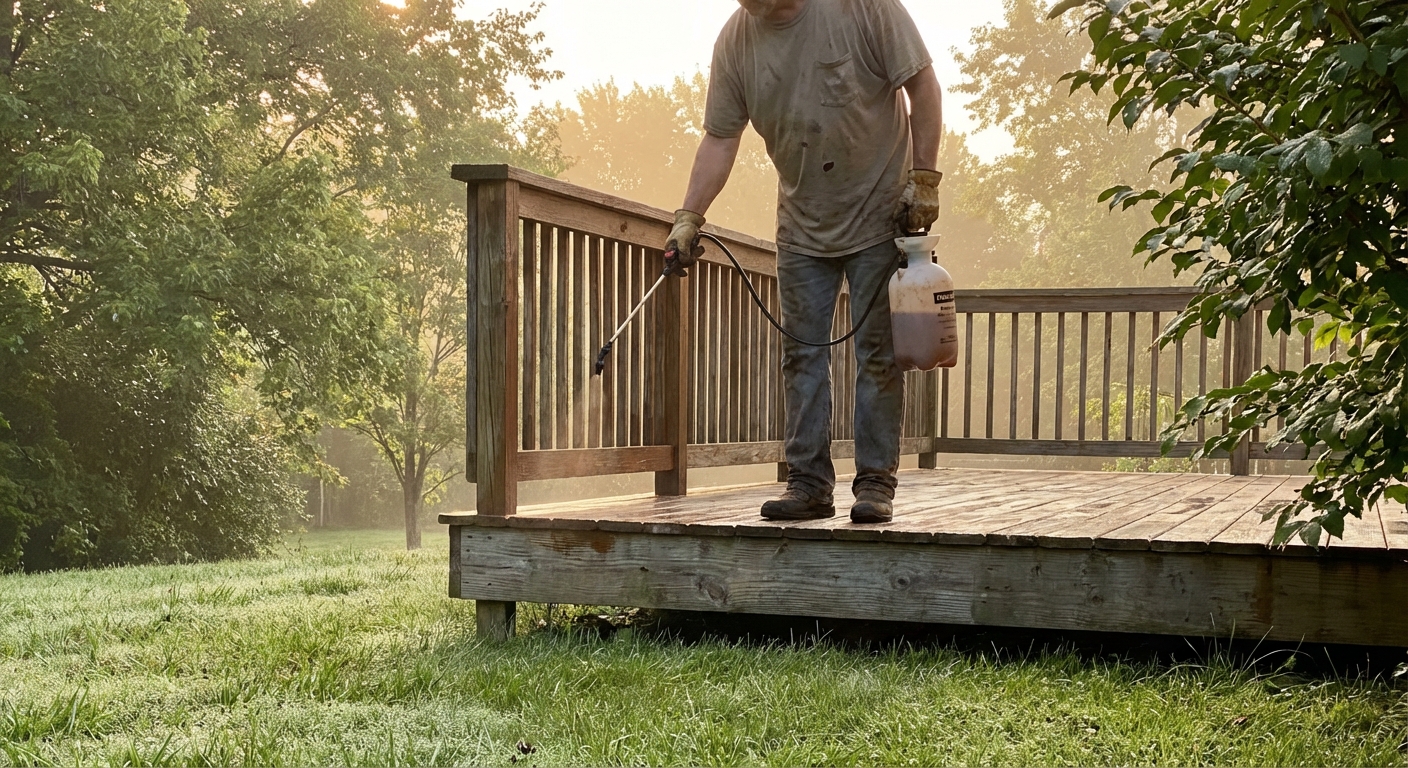
You want a beautiful, long-lasting deck in Georgia, but the state's notorious humidity, heavy rainfall, and red clay soil pose significant challenges. Choosing the right stain and applying it correctly is crucial for protecting your investment and preventing costly repairs down the road. This guide provides Georgia-specific advice on deck staining, covering everything from product selection to optimal timing.
📐 Tool Alert: Deck Stair Calculator
Calculate rise, run, and stringer cuts while ensuring IRC/OBC code compliance.
Calculate Stairs →Understanding Georgia's Deck Staining Challenges
Looking for more regional information? Check out our Georgia State Decking Hub.
🏗️ Planning a deck project?
Get a free manual project review, or visualize your dream deck with AI before requesting quotes.
Georgia's climate is characterized by hot, humid summers with temperatures often reaching between 85-95°F, mild winters, and significant rainfall, averaging over 50 inches per year. This creates a breeding ground for mold, mildew, and wood rot, making deck staining a critical maintenance task. The ubiquitous red clay soil also contributes to staining and discoloration, requiring frequent cleaning.
The Humidity Factor
Humidity is your deck's biggest enemy in Georgia. It promotes fungal growth and accelerates wood decay. Even pressure-treated lumber, while resistant to termites, is still susceptible to moisture damage if not properly sealed and maintained. That’s why simply pressure washing isn’t always enough; you need a protective stain.
Termite Pressure
Georgia has high termite pressure, making pressure-treated lumber essential for the structural framing of your deck. However, even pressure-treated wood benefits from staining to enhance its water resistance and longevity.
Georgia Red Clay
Red clay stains are a constant battle. Regular cleaning and sealing are necessary to prevent discoloration and maintain the appearance of your deck. Consider darker stain colors to help mask the red clay dust that inevitably settles.
<!-- slot:after-intro -->
Choosing the Right Deck Stain for Georgia
Selecting the right stain is paramount to protecting your deck from Georgia's harsh climate. Here's a breakdown of stain types and recommendations:
Types of Deck Stain
- Oil-Based Stains: These penetrate the wood, providing excellent water repellency and protection against rot. They are generally more durable than water-based stains but can be more prone to mildew growth in humid environments. Look for oil-based stains with added mildewcides.
- Water-Based Stains: These offer better resistance to fading and mildew than oil-based stains. They are also easier to clean up and have lower VOCs (volatile organic compounds), making them more environmentally friendly. Modern water-based stains have improved significantly in durability.
- Clear Sealers: These offer minimal color change and are designed to repel water and protect against UV damage. They require more frequent reapplication than stains with pigment.
- Semi-Transparent Stains: These allow some of the wood grain to show through while providing color and protection. They offer a good balance between aesthetics and durability.
- Solid Stains: These completely cover the wood grain, similar to paint. They offer the most protection but can also hide the natural beauty of the wood. Solid stains are a good option for older decks with imperfections.
Stain Recommendations for Georgia
Given Georgia's climate, consider these factors when choosing a stain:
- Mildew Resistance: Prioritize stains with added mildewcides.
- Water Repellency: Look for stains that provide excellent water repellency.
- UV Protection: Choose stains that offer UV protection to prevent fading.
- Durability: Opt for stains that are known for their durability and resistance to wear and tear.
Some recommended brands and products for Georgia include:
- Ready Seal: A popular oil-based stain known for its easy application and natural look.
- TWP (Total Wood Preservative): Another excellent oil-based option with strong water repellency and UV protection.
- Benjamin Moore Arborcoat: A high-quality water-based stain with excellent color retention and mildew resistance.
- Sherwin-Williams SuperDeck: A durable stain available in both oil-based and water-based formulas.
Considering Your Decking Material
The type of wood your deck is made of will also influence your stain choice:
- Pressure-Treated Pine: This is the most common decking material in Georgia due to its affordability and termite resistance. It readily accepts both oil-based and water-based stains.
- Cedar: Cedar is naturally rot-resistant and has a beautiful grain. It's best to use a clear sealer or semi-transparent stain to showcase its natural beauty.
- Composite Decking: While composite decking doesn't require staining for protection, some homeowners choose to stain it to change the color or enhance its appearance. Use a stain specifically designed for composite materials. If you're considering a composite deck, check out Best Composite Decking for Georgia: Top Brands Compared.
<!-- slot:mid-content -->
Timing is Everything: When to Stain Your Deck in Georgia
The best time to stain your deck in Georgia is during the shoulder seasons – spring (March-May) and fall (September-November). These months offer milder temperatures and lower humidity levels, creating ideal conditions for stain application and drying. Avoid staining during the peak summer months (June-August) when the humidity is excessively high and the temperatures are scorching, or in the dead of winter when temperatures can be too cold and moisture is prevalent.
Ideal Weather Conditions
- Temperature: Aim for temperatures between 50°F and 90°F.
- Humidity: Keep humidity levels below 70%.
- Dry Weather: Ensure there is no rain in the forecast for at least 24-48 hours after application.
Preparing Your Deck for Staining
Proper preparation is crucial for a successful staining project. Here’s a step-by-step guide:
1. Cleaning: Thoroughly clean your deck to remove dirt, debris, mold, and mildew. Use a deck cleaner specifically designed for your decking material. Power washing can be effective, but be careful not to damage the wood. If you choose to power wash, use a wide fan tip and low pressure.
2. Stripping (if necessary): If your deck has an existing stain or sealant, you may need to strip it before applying a new coat. Use a deck stripper according to the manufacturer's instructions.
3. Sanding: Sanding helps to smooth the surface and open the wood pores, allowing the stain to penetrate better. Use a coarse-grit sandpaper for initial sanding and then switch to a finer grit for the final pass.
4. Rinsing: Rinse the deck thoroughly with clean water to remove any sanding dust or residue.
5. Drying: Allow the deck to dry completely for at least 24-48 hours before staining. Use a moisture meter to ensure the wood is dry enough. The moisture content should be below 15%.
Staining Your Deck: A Step-by-Step Guide
1. Protect Surrounding Areas: Cover plants, shrubs, and other surfaces that you don't want to stain.
2. Apply the Stain: Use a brush, roller, or sprayer to apply the stain evenly. Work in small sections and follow the manufacturer's instructions.
3. Back-Brushing: If using a roller or sprayer, back-brush the stain with a brush to ensure it penetrates the wood properly.
4. Apply a Second Coat (if necessary): Some stains may require a second coat for optimal protection and color. Allow the first coat to dry completely before applying the second coat.
5. Clean Up: Clean your brushes, rollers, and sprayer with the appropriate solvent. Dispose of any rags or applicators properly.
Consider Professional Help
If you're not comfortable staining your deck yourself, consider hiring a professional deck staining contractor. They have the experience and equipment to get the job done right, ensuring a long-lasting and beautiful finish. You can find reliable local professionals through platforms like local.click.
Use PaperPlan (paperplan.app) to visualize your deck with PaperPlan design before committing to a contractor. Experiment with different stain colors and deck layouts to ensure you achieve the look you desire.
Deck Maintenance in Georgia: Protecting Your Investment
Regular maintenance is crucial for extending the life of your stained deck in Georgia.
- Cleaning: Clean your deck regularly with a deck cleaner to remove dirt, debris, mold, and mildew.
- Re-staining: Re-stain your deck every 2-3 years, or as needed, to maintain its protection and appearance.
- Inspecting: Inspect your deck regularly for signs of damage, such as rot, cracks, or loose boards. Repair any damage promptly to prevent further deterioration.
- Addressing Red Clay: Regularly sweep or wash your deck to remove red clay dust. Consider using a sealant specifically designed to repel clay stains. For more on this, check out Deck Maintenance in Georgia: Fighting Humidity, Mold & Red Clay Stains.
Georgia Deck Building Considerations
Beyond staining, building a deck in Georgia requires specific considerations. Most cities, including Atlanta, require permits for decks larger than 200 sqft or exceeding 30 inches above grade. The Atlanta Department of City Planning handles permits, with costs ranging from $150-400. Ensure your footings are deep enough to account for the frost line, typically 12-18 inches, due to Georgia's red clay soil. Popular deck features in Georgia include screened porches to combat mosquitoes and covered sections for rain protection. Building in the months from September to May avoids the worst of the summer humidity. Also, remember that pine trees dropping sap can affect your choice of decking material and necessitate more frequent cleaning. For detailed information on deck permits, see Do You Need a Deck Permit in Georgia? State & City Rules.
Deck Cost Breakdown
Here's a general overview of deck costs in Georgia:
| Material | Cost per Square Foot (Installed) |
|---------------------|-----------------------------------|
| Pressure-Treated | $22 - $40 |
| Composite | $40 - $70 |
| Cedar | $30 - $50 |
These are average costs and can vary depending on the complexity of the project, the quality of materials, and the contractor you choose. You can explore detailed pricing information in How Much Does a Deck Cost in Georgia? Complete 2026 Guide.
<!-- slot:before-faq -->
By following these guidelines, you can protect your deck from the elements and enjoy it for many years to come. Remember to choose the right stain, apply it properly, and maintain your deck regularly.
<!-- slot:end -->
🎨 Not sure which material to pick?
Upload a photo of your backyard and see exactly how Trex, TimberTech, or cedar would look — free and instant.
Frequently Asked Questions
What is the best type of stain for a deck in Georgia's humid climate?
The best stains for Georgia decks are those that offer excellent water repellency, mildew resistance, and UV protection. Both oil-based and water-based stains can be effective, but water-based stains generally offer better mildew resistance. Look for products specifically formulated for humid climates.
How often should I re-stain my deck in Georgia?
You should re-stain your deck every 2-3 years, or as needed, depending on the type of stain you use, the amount of exposure to the elements, and the level of foot traffic. Inspect your deck regularly for signs of fading, peeling, or water damage.
What is the best way to clean a deck with red clay stains?
To remove red clay stains, start by sweeping or brushing the deck to remove loose dirt. Then, use a deck cleaner specifically designed for removing clay stains. You may need to scrub the affected areas with a brush. Rinse thoroughly with clean water. Consider applying a sealant to help prevent future stains.
Can I stain a deck in direct sunlight?
It's best to avoid staining a deck in direct sunlight, as the stain can dry too quickly and create an uneven finish. If you must stain in direct sunlight, work in small sections and apply the stain thinly.
What are the permit requirements for building a deck in Atlanta?
In Atlanta, you need a permit for decks larger than 200 sqft or exceeding 30 inches above grade. You can obtain permits through the Atlanta Department of City Planning. Permit costs typically range from $150-$400.
📋 Planning a deck project?
Get a free manual project review from our team — no obligation, no spam.
Get Free Project Review →Upload a backyard photo and preview real decking materials with AI — free, instant, no sign-up.
Permits, costs, material comparisons, and questions to ask before requesting quotes — delivered to your inbox.