
Deck Maintenance in Georgia (2026)
Georgia's humidity, red clay, and pine sap create unique deck maintenance challenges. Learn how to protect your deck from mold, rot, and stains.
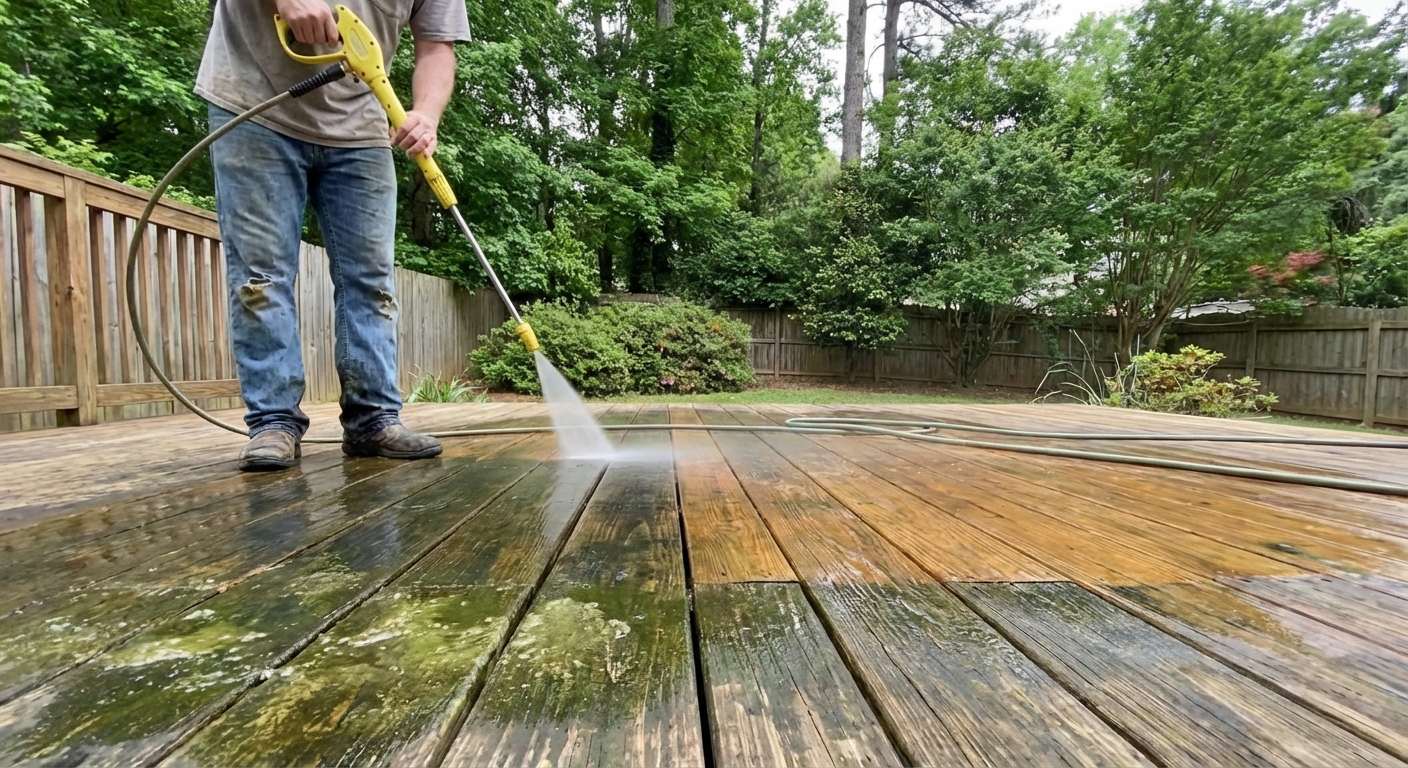
Are you a Georgia homeowner with a deck that's constantly battling humidity, red clay stains, and the relentless growth of mold and mildew? Maintaining a deck in Georgia presents unique challenges due to our climate. This guide provides practical advice to help you protect your investment and keep your deck looking its best for years to come.
📅 Tool Alert: Maintenance Planner
Get a custom seasonal maintenance schedule to protect your investment for decades.
Plan Maintenance →Understanding Georgia's Deck Maintenance Challenges
Looking for more regional information? Check out our Georgia State Decking Hub.
🏗️ Planning a deck project?
Get a free manual project review, or visualize your dream deck with AI before requesting quotes.
Georgia's climate is characterized by hot, humid summers with temperatures often reaching between 85-95°F, mild winters, and significant rainfall, averaging over 50 inches per year. This creates a perfect environment for mold, mildew, and wood rot. The state's distinctive red clay soil also presents challenges, staining everything it touches. Termites are another significant concern, requiring specific preventative measures.
Here's a breakdown of the key factors affecting deck maintenance in Georgia:
- High Humidity: This is the primary culprit behind mold, mildew, and wood rot. Regular cleaning and sealing are essential.
- Red Clay Soil: Georgia's red clay is notorious for staining. Prevention is key, along with specialized cleaning products.
- Heavy Rainfall: Frequent rain accelerates wood rot and can lead to water damage if your deck isn't properly sealed.
- Termites: Georgia has high termite pressure, making pressure-treated lumber a necessity for deck framing.
- Pine Trees: Many Georgia properties are surrounded by pine trees that drop sap, which can be sticky and difficult to remove.
<!-- slot:after-intro -->
Choosing the Right Decking Material for Georgia
Selecting the right decking material is the first step in minimizing maintenance. Here's a comparison of popular options:
| Material | Cost (Installed) | Pros | Cons | Maintenance Needs |
| ----------------- | ---------------- | -------------------------------------------------------------------------- | ------------------------------------------------------------------------------------------------ | ------------------------------------------------------------------------------------------------------------------- |
| Pressure-Treated | $22-40/sqft | Affordable, readily available, termite-resistant (when properly treated) | Prone to warping, cracking, and splintering if not properly maintained. Needs regular sealing. | Annual cleaning, staining or sealing every 1-2 years. Check for rot and insect damage regularly. |
| Composite | $40-70/sqft | Low maintenance, resists rot and insects, doesn't splinter, long-lasting | More expensive upfront, can get hot in direct sunlight, some cheaper versions may stain or fade. | Occasional cleaning with soap and water. Check for any damage from extreme weather. |
| Cedar | $30-50/sqft | Naturally beautiful, naturally resistant to rot and insects | More expensive than pressure-treated lumber, requires regular sealing to maintain its appearance. | Annual cleaning, sealing every 2-3 years. Check for insect damage. |
| Ipe (Brazilian Walnut) | $50-80+/sqft | Extremely durable, naturally resistant to rot, insects, and fire | Very expensive, difficult to work with, requires specialized fasteners. | Minimal. Occasional cleaning to remove dirt and debris. Can be oiled to maintain color, or left to weather to gray. |
For Georgia's humid climate, composite decking is often a popular choice due to its low maintenance and resistance to rot and insects. However, pressure-treated lumber remains a cost-effective option if properly maintained. If you're considering composite, be sure to check out Best Composite Decking for Georgia: Top Brands Compared. Also, learn more about the ideal materials for our climate by visiting Best Decking Material for Georgia Humidity.
Essential Deck Maintenance Tasks in Georgia
Regardless of the material you choose, regular maintenance is crucial for extending the life of your deck. Here's a schedule of essential tasks:
Regular Cleaning
- Frequency: At least twice a year, ideally in the spring and fall.
- Process: Sweep away debris, then wash the deck with a deck cleaner and a stiff brush. For stubborn stains, use a specialized cleaner appropriate for your decking material. A pressure washer can be used, but be careful not to damage the wood, especially with softer materials like cedar.
- Red Clay Stain Removal: For red clay stains, use a dedicated red clay stain remover. Apply according to the product instructions and scrub thoroughly. Pressure washing may also be effective.
- Mold and Mildew Removal: Use a deck cleaner specifically formulated to kill mold and mildew. Be sure to follow the product instructions carefully, and wear protective gear. Bleach solutions can also be effective, but use with caution as they can damage some decking materials and harm plants.
Sealing and Staining
- Frequency: Varies depending on the material and the product used. Pressure-treated lumber typically needs to be sealed or stained every 1-2 years, while cedar may only need it every 2-3 years. Composite decking generally doesn't require sealing, but some products may benefit from a protectant to prevent fading.
- Process: Before sealing or staining, clean the deck thoroughly and allow it to dry completely. Apply the sealant or stain according to the product instructions. Choose a product specifically designed for exterior use and that offers UV protection to prevent fading.
- Timing: The best time to seal or stain your deck in Georgia is during a period of dry weather, ideally in the spring or fall. Avoid sealing or staining in direct sunlight or when the temperature is too hot or too cold.
Inspecting for Damage
- Frequency: At least twice a year, during your regular cleaning.
- What to Look For: Check for signs of rot, insect damage, loose boards, and damaged fasteners. Pay close attention to areas that are frequently exposed to moisture, such as around posts and near the ground.
- Repairing Damage: Replace any rotted or damaged boards immediately. Tighten loose screws or nails, and replace any that are corroded. If you find signs of insect damage, contact a pest control professional.
Preventing Problems
- Clear Debris: Regularly clear leaves, pine needles, and other debris from your deck to prevent moisture buildup and promote airflow.
- Trim Vegetation: Trim any vegetation that is growing close to your deck to prevent moisture and insect problems.
- Proper Drainage: Ensure that your deck has proper drainage to prevent water from pooling.
- Consider a Covered Deck: If you're building a new deck, consider adding a covered section to protect it from the elements. You can also explore options for Covered Deck Ideas for Georgia: Shade & Rain Protection That Works. For even greater protection from the elements and those pesky Georgia mosquitoes, a screened-in porch might be the way to go. Consider the pros and cons of a Screened Porch vs Open Deck in Georgia: Which Is Right for You?.
<!-- slot:mid-content -->
Georgia-Specific Deck Considerations
Beyond the general maintenance tasks, here are some specific considerations for Georgia decks:
- Termite Prevention: Because Georgia has high termite pressure, ensure that your deck framing is constructed with pressure-treated lumber. Regularly inspect your deck for signs of termites and take preventative measures, such as applying a termite treatment to the soil around your deck.
- Red Clay Management: Prevent red clay stains by installing gutters to direct water away from your deck. Use mats at entry points to prevent tracking clay onto the deck.
- Pine Sap Removal: Pine sap can be difficult to remove. Try using a specialized sap remover or a mixture of dish soap and water. For stubborn sap, you may need to use mineral spirits, but be sure to test it in an inconspicuous area first.
- Permits: Remember that most Georgia cities, including Atlanta, require permits for decks over 200 sqft or 30 inches above grade. In Atlanta, permits are obtained through the Atlanta Department of City Planning and can cost between $150-400. Consult Do You Need a Deck Permit in Georgia? State & City Rules for full details. If you live in Atlanta, Atlanta Deck Permit: Requirements, Costs & How to Apply will be helpful.
- Deck Design: Consider incorporating features that are popular in Georgia, such as screened porches to keep out mosquitoes, ceiling fans for air circulation, and covered sections for rain protection. Get inspired by Georgia Deck Design Ideas: Inspiration for Every Budget in 2026.
- Footings: When building a deck, remember that Georgia red clay requires footings to be set at the proper depth (typically 12-18 inches) to avoid frost heave.
Cost of Deck Maintenance in Georgia
The cost of deck maintenance in Georgia can vary depending on the size of your deck, the materials used, and the extent of the work required. Here's a general estimate:
- Cleaning: $50-200 per cleaning, depending on the size of the deck and the cleaning method used.
- Sealing/Staining: $200-800 per application, depending on the size of the deck and the product used.
- Repairs: Varies widely depending on the extent of the damage. Minor repairs, such as replacing a few boards, may cost $100-300. More extensive repairs, such as replacing the entire deck framing, can cost thousands of dollars.
To get a sense of overall deck costs in the state, see How Much Does a Deck Cost in Georgia? Complete 2026 Guide. If you're in the Atlanta area, Deck Cost in Atlanta: Local Pricing Guide for 2026 offers more specific pricing. And if you're leaning towards composite, Composite Deck Cost in Georgia: What to Expect in 2026 will be a useful resource.
Before committing to a contractor, use PaperPlan (paperplan.app) to visualize your deck with PaperPlan design. This tool allows you to experiment with different materials and layouts, helping you ensure that the final product meets your needs and budget.
<!-- slot:before-faq -->
Maintaining a deck in Georgia requires diligence and attention to detail, but by following these tips, you can protect your investment and enjoy your outdoor space for years to come. If you're considering building a new deck, remember that the best build months in Georgia are September-May, to avoid the peak summer humidity. Or, if you need help finding a qualified professional, look for Best Deck Builders in Atlanta, Best Deck Builders in Savannah, or Best Deck Builders in Augusta to help bring your vision to life. If you're feeling ambitious, consider taking on the project yourself with guidance from How to Build a Deck in Georgia: Step-by-Step DIY Guide for 2026.
<!-- slot:end -->
🎨 Not sure which material to pick?
Upload a photo of your backyard and see exactly how Trex, TimberTech, or cedar would look — free and instant.
Frequently Asked Questions
How often should I clean my deck in Georgia?
You should clean your deck at least twice a year, ideally in the spring and fall. However, if you notice a buildup of dirt, debris, or mold and mildew, you may need to clean it more frequently.
What's the best way to remove red clay stains from my deck?
Use a dedicated red clay stain remover. Apply according to the product instructions and scrub thoroughly. Pressure washing may also be effective. Prevention is also key, so consider strategies like installing gutters.
How can I prevent mold and mildew from growing on my deck?
Ensure proper ventilation by trimming vegetation around your deck and clearing debris regularly. Use a deck cleaner specifically formulated to kill mold and mildew. Consider sealing your deck with a mildew-resistant sealant.
Is pressure-treated lumber enough to protect my deck from termites in Georgia?
While pressure-treated lumber is essential for deck framing in Georgia due to high termite pressure, it's not a guarantee against infestation. Regularly inspect your deck for signs of termites and consider taking preventative measures, such as applying a termite treatment to the soil around your deck.
How often should I stain or seal my deck in Georgia?
The frequency depends on the material. Pressure-treated lumber typically needs staining or sealing every 1-2 years, while cedar may only need it every 2-3 years. Always follow the product manufacturer's recommendations. And read Deck Staining in Georgia: Best Products & Timing for Southern Humidity for more information.
📋 Planning a deck project?
Get a free manual project review from our team — no obligation, no spam.
Get Free Project Review →Upload a backyard photo and preview real decking materials with AI — free, instant, no sign-up.
Permits, costs, material comparisons, and questions to ask before requesting quotes — delivered to your inbox.