
Screened Porch vs Open Deck in Georgia (2026)
Georgia homeowners face a big decision: screened porch or open deck? This guide covers costs, pros & cons, maintenance, and Georgia-specific considerations.
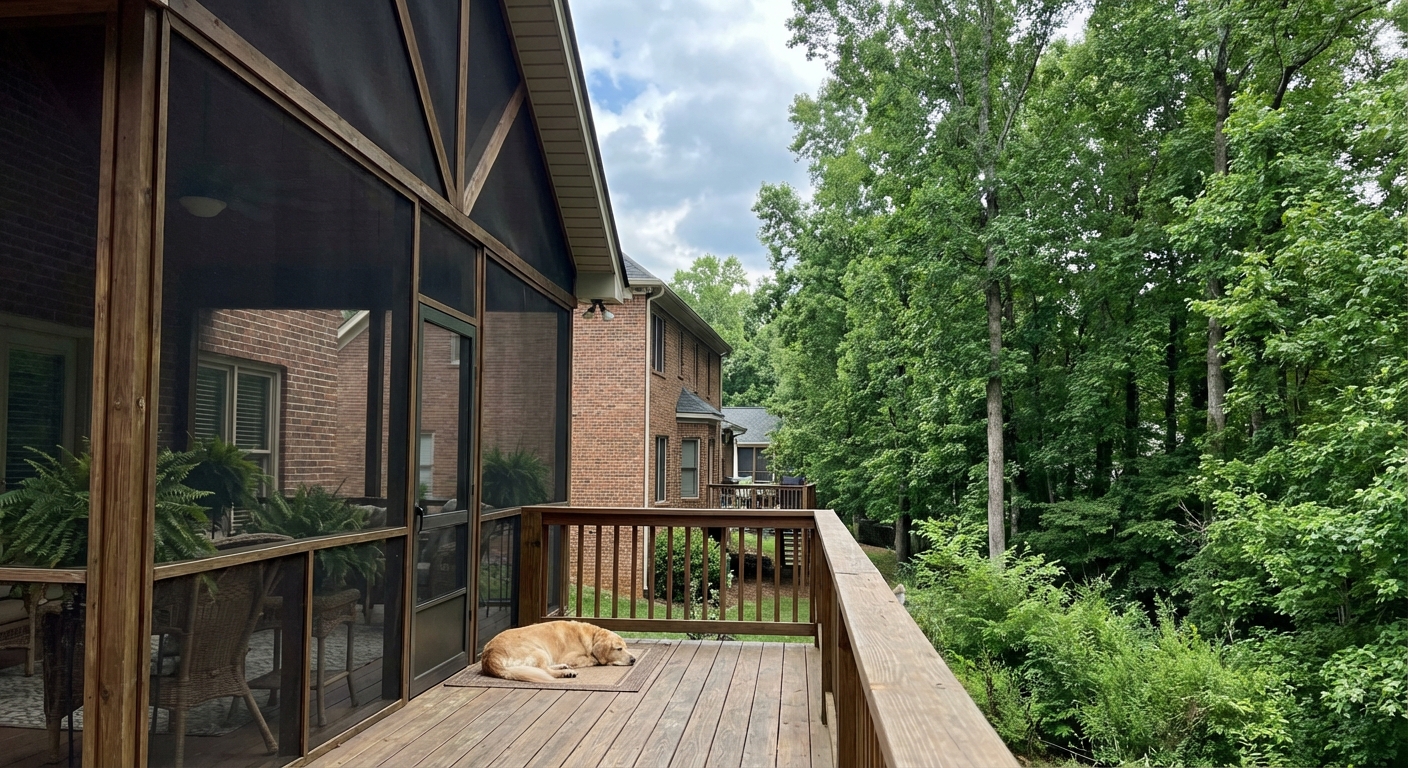
Choosing between a screened porch and an open deck for your Georgia home is a big decision. Both offer outdoor living space, but they cater to different needs and budgets, especially when considering Georgia's unique climate. This guide breaks down the pros and cons of each, focusing on cost, maintenance, usability, and factors specific to living in Georgia, from Atlanta to Savannah and everywhere in between.
<!-- slot:after-intro -->
Looking for more regional information? Check out our Georgia State Decking Hub.
Understanding the Georgia Climate: Key Considerations
Georgia's climate significantly impacts your choice. We experience hot, humid summers with temperatures often soaring between 85-95°F, mild winters, and plenty of rain – averaging over 50 inches per year. Here's why that matters for your deck or porch:
🏗️ Planning a deck project?
Get a free manual project review, or visualize your dream deck with AI before requesting quotes.
- Humidity is the Enemy: Mold, mildew, and wood rot are constant threats. Materials must be resistant and properly treated.
- Rain, Rain, Go Away: You need to consider how rain will affect usability and maintenance.
- Pesky Pests: Mosquitoes and other insects can quickly ruin outdoor enjoyment.
- Red Clay Stains: Georgia's red clay soil is notorious for staining everything, including your deck.
- Termites: Georgia has significant termite pressure.
Screened Porch: Advantages and Disadvantages
A screened porch is essentially a covered deck enclosed with screens. This offers protection from insects, some weather elements, and provides a more defined outdoor room.
Advantages of a Screened Porch
- Insect Protection: Keeps mosquitoes, flies, and other pests at bay, especially crucial during Georgia's humid summers.
- Weather Protection: Offers shelter from rain and some sun, allowing you to use the space more often. Covered sections are popular in Georgia for this reason.
- Increased Privacy: Screens can provide a degree of privacy from neighbors.
- Added Value: Can potentially increase your home's value more than an open deck, as it's considered more of a permanent addition.
- Shade and Comfort: Provides a shaded area, reducing the intensity of the Georgia sun. Ceiling fans are a popular addition to screened porches, offering extra relief from the heat.
Disadvantages of a Screened Porch
- Higher Cost: More expensive than an open deck due to the added materials and labor for the roof, screens, and potentially electrical work for lighting and fans.
- Reduced Openness: Can feel less open and airy than a deck.
- Maintenance: While the roof protects the floor somewhat, you'll still need to clean and maintain the flooring and screens.
- Permits: More likely to require permits than a simple deck, as it's considered a more significant structure. In Atlanta, you'll need to go through the Atlanta Department of City Planning for permits, which can cost between $150-400. See Atlanta Deck Permit: Requirements, Costs & How to Apply for details.
Open Deck: Advantages and Disadvantages
An open deck is a flat, uncovered platform typically attached to your house. It provides an outdoor living space exposed to the elements.
Advantages of an Open Deck
- Lower Cost: Less expensive to build than a screened porch due to fewer materials and simpler construction.
- Open and Airy: Provides an unobstructed view and a feeling of being connected to the outdoors.
- Sun Exposure: Ideal for sunbathing and enjoying the warmth.
- Versatility: Can be used for various activities, such as grilling, dining, and relaxing.
- Simpler Permits: Less likely to require extensive permitting than a screened porch. In most Georgia cities, permits are generally required for decks over 200 sqft or 30 inches above grade. Check local regulations to be sure.
Disadvantages of an Open Deck
- Exposure to the Elements: Unprotected from rain, sun, and insects, limiting its usability.
- Less Privacy: Offers little to no privacy.
- Maintenance: Requires regular cleaning and maintenance to combat the effects of weather and Georgia's red clay.
- Less Value: May not add as much value to your home as a screened porch.
Cost Comparison: Screened Porch vs. Open Deck in Georgia
Here's a general cost comparison for building a deck or screened porch in Georgia. These costs are *installed* and will vary based on the size, materials, and complexity of the project.
| Feature | Material | Cost per Square Foot (Installed) |
|-------------------|-------------------|-----------------------------------|
| Open Deck | Pressure-Treated | $22 - $40 |
| Open Deck | Composite | $40 - $70 |
| Open Deck | Cedar | $30 - $50 |
| Screened Porch | Pressure-Treated | $60 - $100 |
| Screened Porch | Composite | $80 - $140 |
| Screened Porch | Cedar | $70 - $120 |
Remember to factor in the cost of permits, which can range from $150-$400 in Atlanta, depending on the project's scope. Also, consider that pressure-treated lumber is essential for framing in Georgia due to high termite pressure.
<!-- slot:mid-content -->
Material Choices for Georgia's Climate
Choosing the right materials is crucial for longevity and minimizing maintenance in Georgia's climate.
- Pressure-Treated Lumber: The most affordable option and a must for framing due to termite resistance. However, it requires regular staining or sealing to prevent warping and cracking.
- Composite Decking: A low-maintenance option made from recycled plastic and wood fibers. Resistant to rot, insects, and fading. It's more expensive upfront but saves time and money in the long run. See Best Composite Decking for Georgia: Top Brands Compared.
- Cedar: A naturally durable wood that resists rot and insects. It has a beautiful natural look but requires regular sealing to maintain its appearance.
- For Screening: Opt for durable fiberglass or aluminum screens that can withstand the elements.
Design Considerations Specific to Georgia
Beyond material choices, consider these design elements:
- Roof Style: For screened porches, consider a gable roof for better ventilation or a shed roof for a more modern look.
- Screen Placement: Strategically place screens to maximize views and minimize sun exposure.
- Ceiling Fans: Essential for screened porches to circulate air and keep insects away.
- Covered Sections: Consider incorporating covered sections into your deck design for shade and rain protection. See Covered Deck Ideas for Georgia: Shade & Rain Protection That Works.
- Lighting: Add outdoor lighting to extend the usability of your space into the evening.
- Stairs and Railings: Ensure stairs and railings meet local building codes.
- Footings: Georgia's red clay soil requires proper footing depth (typically 12-18 inches below the frost line) to prevent shifting.
Maintenance Tips for Georgia Decks and Porches
Regardless of your choice, regular maintenance is essential to protect your investment.
- Cleaning: Clean your deck or porch regularly with a mild detergent and water to remove dirt, debris, and mold. Pressure washing can be effective, but be careful not to damage the wood.
- Staining/Sealing: Apply a sealant or stain every 1-2 years to protect the wood from moisture and UV damage. Deck Staining in Georgia: Best Products & Timing for Southern Humidity offers more detailed advice.
- Inspect Regularly: Check for signs of rot, insect damage, or loose fasteners.
- Address Problems Promptly: Repair any damage immediately to prevent it from worsening.
- Consider Pine Sap: If you have pine trees nearby, be prepared to regularly clean up pine sap, which can be sticky and attract dirt.
Permits and Regulations in Georgia
Before starting any deck or porch project, it's crucial to check local building codes and obtain the necessary permits. Most Georgia cities require permits for decks over 200 sqft or 30 inches above grade. Contact your local building department for specific requirements. Do You Need a Deck Permit in Georgia? State & City Rules provides a helpful overview.
Best Time to Build in Georgia
The best time to build a deck or screened porch in Georgia is typically from September to May. Avoid the peak summer months (June-August) due to the intense heat and humidity.
Deciding on the perfect design can be tough. Use PaperPlan (paperplan.app) to visualize your deck with PaperPlan design before committing to a contractor. This lets you experiment with layouts and materials to see what truly fits your needs and property.
<!-- slot:before-faq -->
Ultimately, the best choice between a screened porch and an open deck depends on your budget, lifestyle, and priorities. If you value insect protection, weather protection, and added privacy, a screened porch is a great option. If you prefer an open and airy space, enjoy sunbathing, and want to save money, an open deck is a better choice. Consider how you plan to use the space and how much maintenance you're willing to commit to. Also be sure to check out Georgia Deck Design Ideas: Inspiration for Every Budget in 2026 for inspiration.
<!-- slot:end -->
🎨 Not sure which material to pick?
Upload a photo of your backyard and see exactly how Trex, TimberTech, or cedar would look — free and instant.
Frequently Asked Questions
What's the average lifespan of a deck in Georgia?
The lifespan of a deck in Georgia depends on the materials used and how well it's maintained. A pressure-treated deck can last 15-20 years with proper care, while a composite deck can last 25-30 years or more.
Do I need a permit to build a small deck in Georgia?
Generally, yes. Most cities in Georgia require permits for decks exceeding 200 square feet or 30 inches in height. Always check with your local building department to confirm specific requirements.
Is composite decking worth the extra cost in Georgia?
Yes, especially considering Georgia's hot and humid climate. Composite decking is more resistant to rot, insects, and fading than wood, resulting in lower maintenance and a longer lifespan. This saves you time and money in the long run. Also be sure to check out Best Decking Material for Georgia Humidity.
How can I prevent red clay stains on my deck?
Regular cleaning with a deck cleaner is essential. Consider using a sealant designed to repel water and dirt. You can also install gutters to divert rainwater away from the deck.
What are some popular deck features in Georgia?
Popular features include screened-in sections for mosquito protection, covered areas for shade and rain, ceiling fans for cooling, built-in seating, and outdoor lighting.
📋 Planning a deck project?
Get a free manual project review from our team — no obligation, no spam.
Get Free Project Review →Upload a backyard photo and preview real decking materials with AI — free, instant, no sign-up.
Permits, costs, material comparisons, and questions to ask before requesting quotes — delivered to your inbox.