
How to Winterize Patio Furniture in Ontario
Protect your patio furniture from Ontario's harsh winters. Step-by-step guide to cleaning, storing, and covering outdoor furniture before snow arrives.
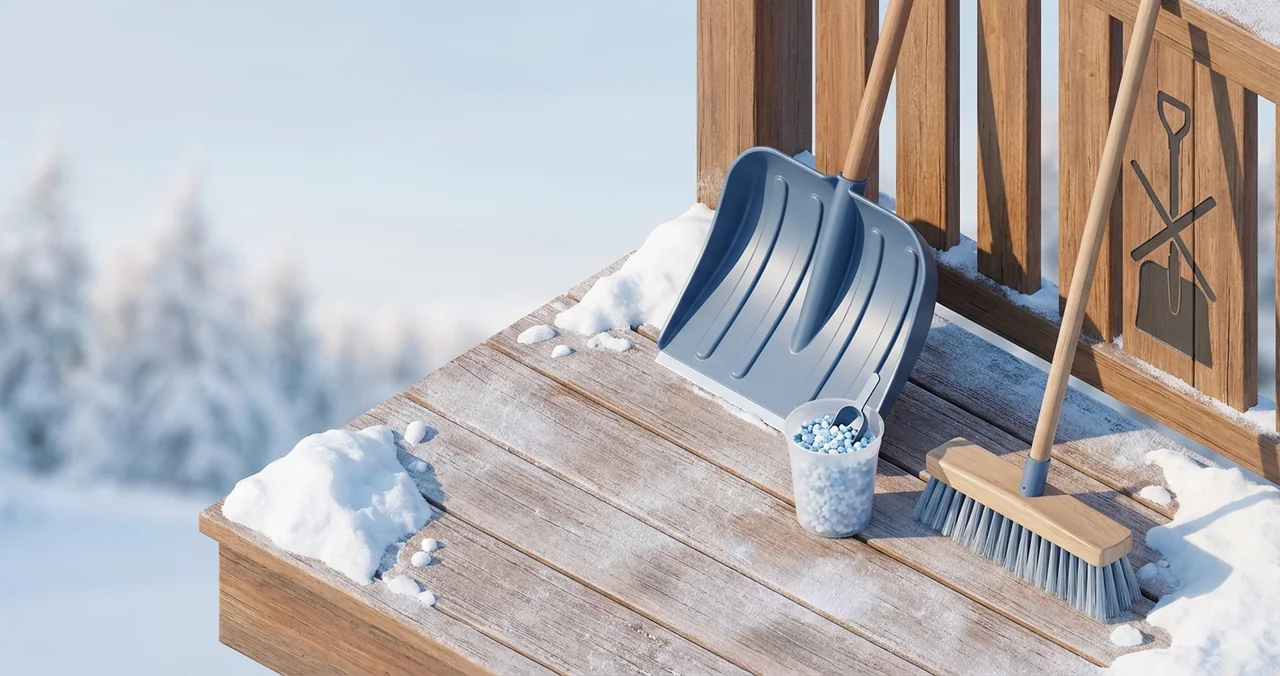
Ontario winters destroy unprotected patio furniture. Freeze-thaw cycles crack plastic, warp wood, rust metal, and fade cushions. A $2,000 dining set left uncovered through one winter can look like it's been outside for a decade.
You don't need to haul everything into your basement. But you do need a plan before the first snowfall hits Kitchener-Waterloo-Cambridge.
Why Ontario Winters Wreck Outdoor Furniture
The freeze-thaw cycle is the killer. When water seeps into cracks, joints, or fabric weave, it freezes and expands. Temperatures swing from -15°C overnight to +5°C by afternoon. That expansion-contraction cycle happens dozens of times per winter.
🏗️ Planning a deck project?
Get a free manual project review, or visualize your dream deck with AI before requesting quotes.
Metal furniture develops rust where protective coatings chip. Wood warps and splits. Plastic becomes brittle and cracks. Cushion foam absorbs moisture, freezes, and breaks down.
Salt from patios and decks accelerates corrosion on metal frames and hardware.
UV damage continues even in winter. Snow reflects sunlight, intensifying exposure on sunny days.
When to Start Winterizing
Mid-October to early November is the window. You want everything protected before the first hard freeze, which typically hits KWC in late October or early November.
Watch the forecast. Once nighttime lows consistently drop below 0°C, it's time to move.
If you're caught off guard and snow arrives early, do what you can. Even late protection is better than none.
Cleaning Before Storage
Dirt and moisture trapped under covers or in storage cause mold, mildew, and staining. Clean everything thoroughly before winterizing.
Wood Furniture
Sweep off leaves and debris. Wash with mild dish soap and warm water using a soft brush. Rinse completely.
Let dry for 24-48 hours in direct sunlight if possible. Wood needs to be bone-dry before covering or storing.
Check for damage. Sand rough spots. Apply a fresh coat of outdoor wood sealer if the finish looks worn — this protects against moisture penetration during winter.
Metal Furniture (Aluminum, Steel, Wrought Iron)
Wash with soapy water and a soft cloth or sponge. For stubborn dirt, use a mixture of equal parts white vinegar and water.
Inspect for rust spots. Sand lightly with fine-grit sandpaper, then apply touch-up paint designed for outdoor metal. Rust spreads fast over winter if left untreated.
Dry completely. Metal furniture can air-dry in 2-4 hours on a sunny day.
Plastic and Resin Furniture
Wash with dish soap and water. For stubborn stains or mildew, use a solution of 1 cup bleach to 1 gallon water. Scrub, rinse thoroughly, and let dry.
Plastic doesn't absorb water, so drying is quick. But you still need to remove all moisture from joints and crevices where metal hardware sits.
Wicker and Rattan
Natural wicker is fragile in winter. Synthetic all-weather wicker handles cold better, but both need cleaning.
Vacuum to remove dirt from weave. Wipe with damp cloth and mild soap. Don't soak natural wicker — it warps.
Dry completely. Natural wicker should be stored indoors. Synthetic wicker can stay outside if properly covered.
Cushions and Fabric
Remove all cushion covers if possible. Machine wash according to care labels — most outdoor fabric is machine-washable.
For non-removable cushions, scrub with soapy water and rinse. Let dry completely in the sun — this takes 1-2 days for thick foam cushions.
Once dry, store cushions indoors. Even "waterproof" outdoor fabric breaks down faster when frozen repeatedly.
Storage Options
Indoor Storage (Best Option)
A basement, garage, or shed protects furniture completely. You don't need climate control — just a dry space out of the weather.
Stack carefully. Place cardboard or old blankets between pieces to prevent scratching.
Store cushions in large plastic bins or vacuum-sealed bags. This keeps them clean, dry, and protected from rodents.
Space-saving tip: Folding chairs and stacking pieces take up far less room. If you're shopping for new furniture, consider stackability for winter storage.
Covered Storage on Deck or Patio
If indoor space is limited, you can leave furniture outside with proper covers.
Group furniture together in the most sheltered spot on your deck or patio — ideally against the house, under an overhang, or in a corner protected from prevailing winds.
Elevate furniture off the ground. Use plastic furniture risers, bricks, or scrap 2x4s to lift pieces 2-3 inches off the deck surface. This prevents moisture from wicking up through legs and prevents furniture from freezing to the deck.
Cover with high-quality waterproof furniture covers (details below).
Deck Boxes and Outdoor Storage
Deck boxes work well for cushions and smaller items. Look for weatherproof models with sealed lids.
Expect to pay $150-400 for a quality deck box with 100-150 gallon capacity. Cheaper models leak.
Even in a deck box, ensure cushions are completely dry before storing. Trapped moisture still causes mold.
Choosing the Right Covers
Not all furniture covers are equal. Cheap tarps from the dollar store trap moisture and tear in wind.
What to Look For
Waterproof material: Look for covers made from heavy-duty polyester with waterproof backing or marine-grade vinyl.
Breathable vents: Vents prevent condensation buildup. Moisture trapped under a non-breathable cover causes mold and mildew.
Secure fasteners: Drawstring hems, buckle straps, or Velcro tabs keep covers from blowing off in wind. Ontario winters are windy.
Proper fit: Covers should fit snugly but not tightly. Too loose and they flap in wind and tear. Too tight and they strain at seams.
Sizing
Measure your furniture before buying covers. You need length, width, and height.
Standard furniture cover sizes:
- Small chair: 32"L x 32"W x 36"H
- Large chair/recliner: 40"L x 38"W x 40"H
- Loveseat: 60"L x 40"W x 40"H
- Sofa: 90"L x 42"W x 40"H
- Dining table (4-6 seat): 72"L x 44"W x 28"H
- Round table: 60" diameter x 28"H
When in doubt, size up. You can cinch excess with straps. Too-small covers don't protect.
Cost
Quality furniture covers cost $30-80 per piece for chairs and $60-150 for sofas and tables.
Sets covering an entire patio set run $150-300.
This is cheaper than replacing ruined furniture. A decent outdoor chair costs $150-400. A sofa set runs $800-2,500.
Cover Alternatives
Tarps: Heavy-duty tarps work if secured properly. Use bungee cords or rope to tie down all edges and corners. Cheap tarps rip in high winds.
Moving blankets + plastic sheeting: Moving blankets provide cushioning and breathability. Wrap furniture, then cover with clear plastic sheeting and secure with rope or straps. More work, but effective if you already have materials on hand.
Protecting Specific Materials
Teak and Cedar Wood Furniture
High-quality wood furniture can stay outside uncovered — that's how it's designed. But even teak benefits from covering in harsh Ontario winters.
If leaving uncovered:
- Apply teak oil or wood sealer in late October
- Elevate off ground to prevent legs from sitting in snow/ice
- Position where snow won't pile against it
If covering, ensure wood is completely dry first. Trapped moisture causes mildew on teak and cedar.
Glass Table Tops
Remove glass tops and store vertically indoors if possible. Glass is heavy and awkward, but it's also fragile.
Temperature fluctuations can crack tempered glass. Snow and ice buildup stress edges.
If you can't bring glass inside, cover tables thoroughly and ensure covers don't pool water on the glass surface.
Umbrellas
Close umbrellas completely. Remove fabric canopy if detachable — store indoors.
If the canopy doesn't detach, leave the umbrella open slightly (about 6 inches) to allow air circulation, then cover with a waterproof umbrella cover. This prevents mold.
Store umbrella bases indoors if possible — they're heavy and awkward, but water trapped in the base freezes and can crack plastic or concrete.
Fire Tables and Pits
Propane fire tables: Disconnect and remove propane tanks. Store tanks upright outdoors in a well-ventilated area (never indoors). Cover fire table with fitted cover.
Wood-burning fire pits: Remove ash and debris. Scrub cooking grates. Cover with fitted cover or tarp.
For both types, ensure all moisture drains out. Trapped water freezes and cracks ceramic, concrete, or metal fire bowls.
Monthly Winter Checks
Don't just cover furniture in October and forget it until April.
Check monthly:
- Brush heavy snow off covers before weight damages furniture frames
- Ensure covers haven't blown off or torn
- Look for ice dams or pooling water on covers — redistribute or shake off
- Check that furniture hasn't shifted and is still elevated off ground
After major snowstorms, clear snow from around covered furniture. Heavy snow piles press against covers and can collapse lightweight furniture.
Patio and Deck Winterization
Your furniture sits on a surface that also needs winter prep.
Clear debris from deck or patio before snow flies. Leaves trap moisture and cause staining, mold, and rot on wood decks.
For composite or wood decks, consider a pre-winter cleaning and sealing. See our guide on winter deck care in Ontario for details.
For interlock or concrete patios, ensure drainage is clear. Ice buildup from poor drainage can shift pavers or crack concrete.
If you're planning a new deck or patio, late fall is a good time to start planning. Check out our deck cost guides for Kitchener, Waterloo, and Cambridge.
Spring Uncovering Checklist
When temperatures consistently stay above freezing (typically late March to mid-April in KWC):
1. Remove covers on a dry day — moisture trapped under covers needs to evaporate
2. Inspect furniture for damage, rust, or mildew
3. Clean again before use — covers keep most dirt out, but not all
4. Touch up damage from winter — repaint rust spots, reseal wood
5. Wash cushions even if stored indoors — they collect dust
Don't rush this. One sunny 15°C day in March doesn't mean winter is over. We often get snow in April. Wait for sustained warm weather.
What About Buying New Furniture?
If your current furniture is borderline — wobbly frames, torn fabric, extensive rust — consider whether it's worth winterizing at all.
End-of-season sales run September through October. You'll find 30-50% off patio furniture as stores clear inventory.
New furniture arrives in February-March at full price. If you're planning to replace anyway, buy in fall, winterize properly, and enjoy it next season.
High-quality outdoor furniture lasts 10-15 years with proper care. Cheap furniture lasts 2-4 years even with perfect winterizing.
🎨 Not sure which material to pick?
Upload a photo of your backyard and see exactly how Trex, TimberTech, or cedar would look — free and instant.
Common Questions
Can I leave my patio furniture out all winter in Ontario?
You can, but expect significantly shorter lifespan. Even "all-weather" furniture degrades faster when exposed to Ontario's freeze-thaw cycles, snow load, and ice. High-quality teak or aluminum furniture may survive, but cushions, plastic components, and hardware will deteriorate. Covering is minimum protection; indoor storage is best.
Do furniture covers cause more harm than good?
Cheap non-breathable covers trap moisture and cause mold. Quality covers with ventilation protect furniture while allowing air circulation. The key is ensuring furniture is completely dry before covering and using covers designed specifically for outdoor furniture with breathable panels and waterproof coating.
How do I prevent mold on patio cushions over winter?
Store cushions indoors in a dry location. Before storing, ensure they're completely dry — wet or damp cushions will mold in storage regardless of location. Wash and dry thoroughly, then store in plastic bins or vacuum-sealed bags. Even a cold garage or shed is fine as long as cushions are dry and protected from moisture.
Should I remove snow from covered furniture?
Yes. Heavy snow load can bend or break furniture frames even under covers. After major snowstorms (6+ inches), gently brush snow off covers. Don't let it pile up. Also clear snow from around furniture bases to prevent ice buildup that can damage legs or freeze furniture to the deck surface.
When is it too late to winterize patio furniture?
It's never too late. Even if snow has already fallen, you can still clean furniture on the next mild day, let it dry, and cover it. Late protection is better than none. However, if furniture has been exposed to multiple freeze-thaw cycles with moisture trapped in joints, damage may already be occurring. Do what you can as soon as possible.
Related: Concrete vs Interlock Patio in Ontario.
You may also find Deck vs Paver Patio in Ontario: Side-by-Side helpful.
Upload a backyard photo and preview real decking materials with AI — free, instant, no sign-up.
Permits, costs, material comparisons, and questions to ask before requesting quotes — delivered to your inbox.