
Pool Deck Ideas for Texas Homes (2026)
Dreaming of the perfect pool deck? Explore Texas-friendly materials, design ideas, costs & permitting tips for Houston, Dallas, Austin & San Antonio.
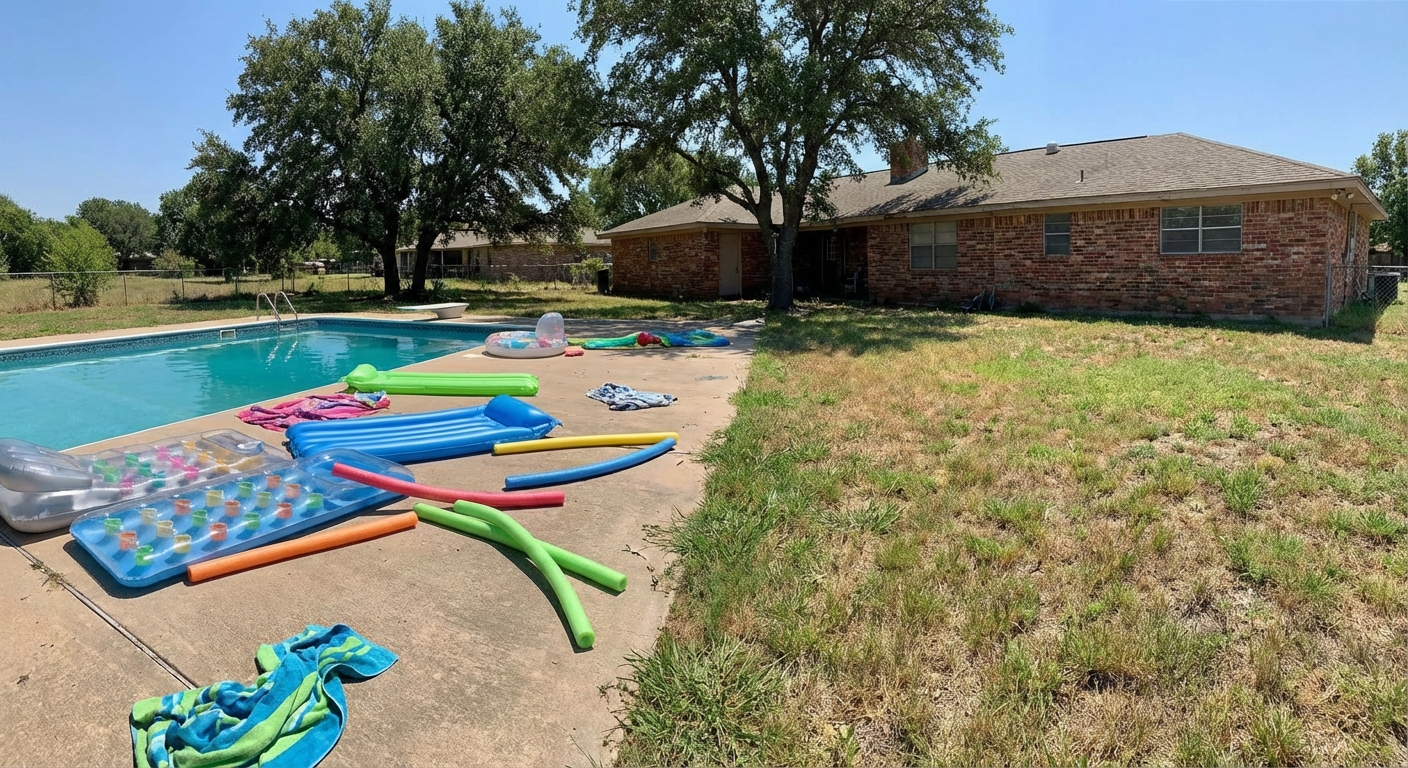
Soaking up the Texas sun poolside is a dream, but a poorly designed or constructed pool deck can quickly turn that dream into a headache. You need a deck that can withstand the intense heat, humidity, and UV exposure that Texas throws at it. This guide provides practical advice on choosing the right materials, planning your layout, and navigating local regulations to create a stunning and functional pool deck for your Texas home.
Choosing the Right Materials for Your Texas Pool Deck
Looking for more regional information? Check out our Texas State Decking Hub.
🏗️ Planning a deck project?
Get a free manual project review, or visualize your dream deck with AI before requesting quotes.
Texas weather demands durable and heat-resistant decking materials. The relentless sun can warp and fade inferior products, while moisture can lead to rot and decay, especially near the Gulf Coast. Remember, Texas has no state income tax, so you may be able to invest more in premium materials for a long-lasting deck.
Here's a breakdown of popular decking materials and their suitability for Texas pools:
- Pressure-Treated Wood: This is the most affordable option, offering a classic look. However, it requires regular staining and sealing to prevent warping, cracking, and insect damage. Expect to pay around $25-45 per square foot installed.
- Cedar: Cedar offers natural resistance to rot and insects, making it a step up from pressure-treated wood. It also has a beautiful reddish hue. However, it still needs regular maintenance to prevent weathering. Cost: $35-55 per square foot installed.
- Composite Decking: Made from a blend of wood fibers and recycled plastic, composite decking is low-maintenance and resistant to fading, staining, and scratching. However, it can get very hot in direct sunlight, with surface temperatures potentially exceeding 150°F. Consider lighter colors or shade structures to mitigate this. Cost: $45-75 per square foot installed. For more information, see Composite Deck Cost in Texas: What to Expect in 2026.
- Trex: Trex is a leading brand of composite decking known for its durability and wide range of colors and styles. It offers excellent resistance to the elements but shares the same heat concerns as other composites. Price: $50-80 per square foot installed. Check out Trex Deck Cost in Texas: Pricing, Options & Real Examples for more details.
- Ipe (Brazilian Walnut): This exotic hardwood is incredibly dense and durable, making it highly resistant to rot, insects, and wear. It also stays cooler than composite decking in the sun. However, it's the most expensive option and requires specialized installation. Expect to pay $60-100 per square foot installed.
Here's a quick cost comparison:
| Material | Cost per sq ft (Installed) | Pros | Cons |
| -------------------- | -------------------------- | ---------------------------------------------------------------------- | -------------------------------------------------------------------------------------------------------- |
| Pressure-Treated Wood | $25-45 | Affordable, classic look | High maintenance, prone to warping & rot |
| Cedar | $35-55 | Natural rot & insect resistance, beautiful color | Requires regular maintenance |
| Composite | $45-75 | Low maintenance, durable, resists fading & staining | Can get very hot in direct sunlight |
| Trex | $50-80 | Durable, wide range of colors & styles, low maintenance | Can get very hot in direct sunlight |
| Ipe | $60-100 | Extremely durable, rot & insect resistant, stays cooler than composite | Expensive, requires specialized installation |
When choosing your material, consider your budget, desired aesthetic, and tolerance for maintenance. If you're in a Gulf Coast area like Houston, pay special attention to moisture resistance and termite protection.
<!-- slot:after-intro -->
Wondering what your design will cost? Our complete deck cost guide for Texas covers pricing for every material and style. Most covered and elevated decks require permits — see our guide on deck permit guide.
Designing Your Ideal Texas Pool Deck
Beyond material selection, the layout and features of your pool deck are crucial for creating a functional and enjoyable outdoor space. Texas homeowners often incorporate covered areas, outdoor kitchens, and shade structures into their deck designs.
Layout Considerations
- Size and Shape: Determine the appropriate size based on the size of your pool and the amount of space you need for lounging, dining, and entertaining. Consider the flow of traffic around the pool and ensure there's ample space for walking and moving furniture.
- Zoning: Create distinct zones for different activities. A sunbathing area, a dining area, and a shaded lounge area can all coexist harmoniously with careful planning.
- Safety: Prioritize safety by incorporating features like non-slip surfaces, railings (especially if the deck is elevated), and self-closing gates to prevent unsupervised access to the pool. Remember to check Deck Height Regulations in Texas: When Permits & Railings Are Required.
- Accessibility: Ensure your pool deck is accessible to everyone, including those with mobility challenges. Ramps or gently sloping pathways can make the space more inclusive.
- Permits: Most Texas cities require permits for decks over 200 square feet or 30 inches above grade. Check with your local permitting office (see below) before starting construction.
Popular Texas Deck Features
- Covered Decks: A covered deck provides welcome relief from the Texas sun and allows you to enjoy your pool area year-round.
- Outdoor Kitchens: Integrate a built-in grill, countertop space, and storage for creating a fully functional outdoor cooking area.
- Shade Structures: Pergolas, awnings, and umbrellas can provide targeted shade in specific areas of your deck.
- Fire Pits: A fire pit adds ambiance and warmth to your pool area, extending its use into the cooler months.
- Water Features: Incorporate fountains, waterfalls, or other water features to enhance the tranquility of your pool area.
City-Specific Permitting Information
Navigating the permitting process can be daunting, but it's essential to ensure your deck complies with local regulations.
- Houston: Houston has no zoning, but you still need permits from the City of Houston Permitting Center. See Houston Deck Permit: Requirements, Costs & How to Apply.
- Dallas: Obtain permits through Dallas Development Services. Expect to pay between $200-500. Consult Dallas Deck Permit Guide: What You Need Before Building.
- Austin: Permits are required through Austin Development Services. Be prepared for potentially long processing times (8-12 weeks). See Austin Deck Permit: Everything Homeowners Need to Know.
- San Antonio: Apply for permits through the Development Services Department. The process is generally faster compared to Austin. Check out San Antonio Deck Permit: Rules, Fees & Process.
Before finalizing your design, use PaperPlan (paperplan.app) to visualize your deck with PaperPlan design with different materials and layouts. Experiment with different furniture arrangements and shade structures to see how they impact the overall look and feel of your space.
<!-- slot:mid-content -->
Building Your Texas Pool Deck: Key Considerations
Building a pool deck in Texas requires attention to detail and adherence to local building codes. The frost line in most of Texas is only 6-12 inches, which means you won't need as deep footings as in northern states, potentially saving you money. However, other factors like soil conditions and drainage need careful consideration.
Key Building Code Requirements
- Footings: Ensure footings are properly sized and spaced to support the weight of the deck.
- Framing: Use pressure-treated lumber for framing to prevent rot and insect damage.
- Decking Attachment: Securely fasten decking boards to the framing with appropriate screws or hidden fasteners.
- Railings: Install railings that meet minimum height and strength requirements.
- Stairways: Build stairways that comply with rise and run regulations.
See Texas Deck Building Codes: Key Requirements for 2026 for a comprehensive overview. Also, be mindful of Deck Setback Requirements in Texas: How Close to the Property Line?.
Hiring a Professional Deck Builder
While DIY deck building is possible, hiring a qualified and experienced deck builder is highly recommended, especially for complex projects. A professional can ensure your deck is built to code, meets your specific needs, and will stand the test of time.
Best Time to Build
The best months to build a deck in Texas are typically October through April, avoiding the peak summer heat.
Maintaining Your Texas Pool Deck
Regular maintenance is crucial for extending the life of your pool deck.
- Cleaning: Clean your deck regularly to remove dirt, debris, and algae.
- Sealing/Staining: Apply a sealant or stain every few years to protect the wood from the elements.
- Inspecting: Inspect your deck regularly for signs of damage, such as cracks, rot, or loose fasteners.
- Repairing: Repair any damage promptly to prevent further deterioration.
<!-- slot:before-faq -->
🎨 Not sure which material to pick?
Upload a photo of your backyard and see exactly how Trex, TimberTech, or cedar would look — free and instant.
Frequently Asked Questions
What is the most heat-resistant decking material for Texas?
While no decking material is completely immune to heat, Ipe (Brazilian Walnut) tends to stay cooler than composite decking in direct sunlight. Lighter colors of composite decking can also help mitigate heat absorption.
How much does it cost to build a pool deck in Texas?
The cost varies depending on the material, size, and complexity of the project. Expect to pay anywhere from $25 to $100 per square foot installed. See How Much Does a Deck Cost in Texas? Complete 2026 Guide for a more detailed breakdown.
Do I need a permit to build a pool deck in Texas?
Most Texas cities require permits for decks over 200 square feet or 30 inches above grade. Check with your local permitting office for specific requirements.
How can I keep my composite deck from getting too hot in the Texas sun?
Choose lighter colors, install shade structures, and consider using outdoor rugs to help reduce surface temperatures. You can also wet the deck down with a hose when it gets too hot.
How do I protect my deck from termites in Texas?
Use pressure-treated lumber for framing and ensure proper drainage around the deck. Regularly inspect the deck for signs of termite activity and take prompt action to eliminate any infestations.
<!-- slot:end -->
Building a pool deck in Texas is a significant investment that can greatly enhance your outdoor living space. By carefully considering your material choices, design, and construction methods, you can create a beautiful and functional deck that you'll enjoy for years to come.
📋 Planning a deck project?
Get a free manual project review from our team — no obligation, no spam.
Get Free Project Review →Upload a backyard photo and preview real decking materials with AI — free, instant, no sign-up.
Permits, costs, material comparisons, and questions to ask before requesting quotes — delivered to your inbox.