
Deck Railing Ideas for Texas Homes (2026)
Explore deck railing ideas perfect for Texas homes. Discover stylish options & durable materials to withstand the Texas heat & enhance your outdoor space.
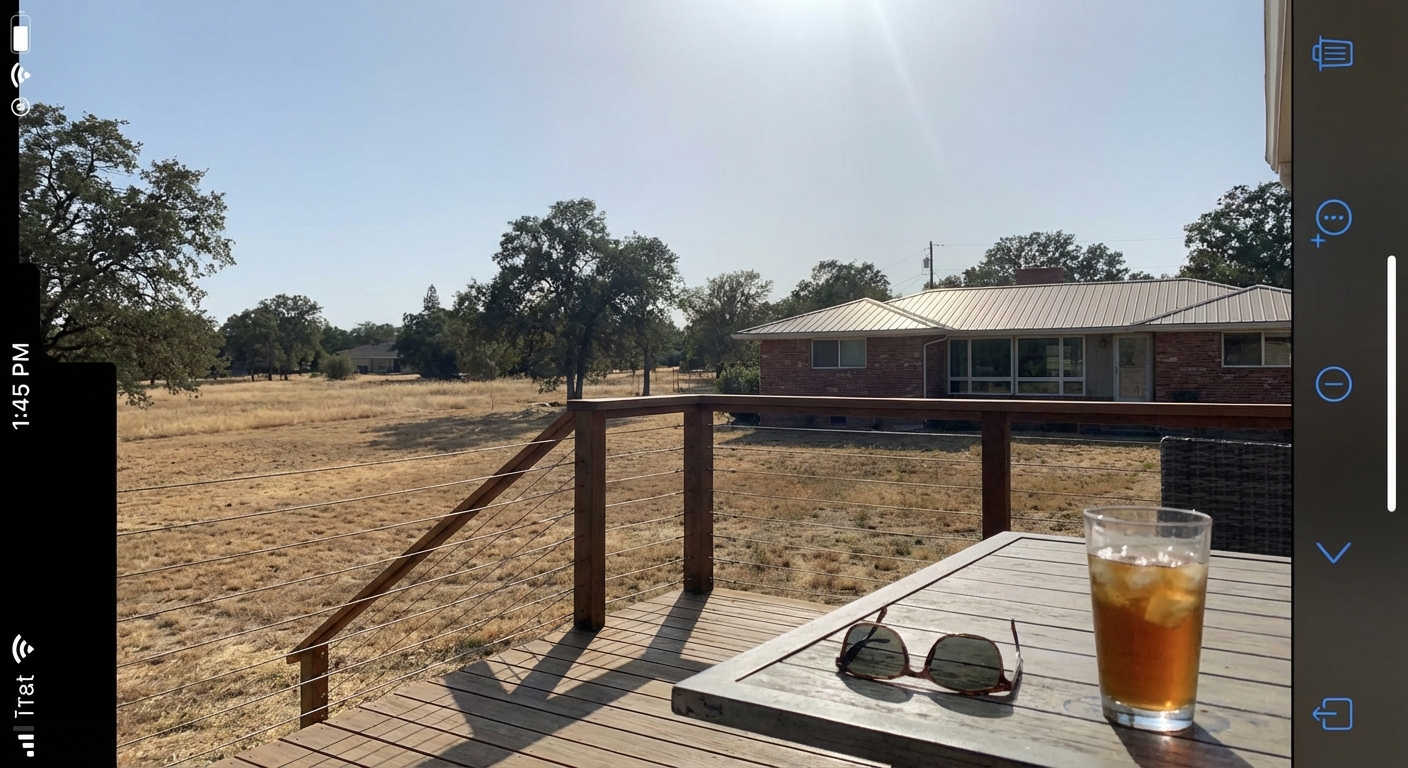
Choosing the right deck railing is crucial for safety, style, and longevity, especially in Texas's challenging climate. Your railing defines your deck's aesthetic, provides a safety barrier, and endures intense sun, heat, and humidity. This guide helps you navigate railing options, materials, and local considerations to create the perfect outdoor space.
📐 Tool Alert: Deck Stair Calculator
Calculate rise, run, and stringer cuts while ensuring IRC/OBC code compliance.
Calculate Stairs →Understanding Texas-Sized Deck Railing Challenges
Looking for more regional information? Check out our Texas State Decking Hub.
🏗️ Planning a deck project?
Get a free manual project review, or visualize your dream deck with AI before requesting quotes.
Texas decks face unique environmental stressors. The summer heat can reach 95-105°F, with composite surfaces exceeding 150°F in direct sunlight. Intense UV exposure fades and degrades materials, while humidity and, in coastal areas, termites pose additional risks.
On the plus side, Texas's lack of state income tax often frees up more of your budget for home improvements. And with a shallow frost line of only 6-12 inches across most of the state, your deck footings will be less expensive than in colder climates.
<!-- slot:after-intro -->
Deck Railing Styles: From Classic to Contemporary
Your railing style should complement your home's architecture and your personal taste. Here are some popular options:
- Traditional Wood Railing: Features vertical balusters and a top rail, often crafted from cedar or pressure-treated pine. It's a classic look that suits many home styles.
- Cable Railing: Offers unobstructed views with horizontal stainless steel cables. It provides a modern, minimalist aesthetic.
- Glass Railing: Uses tempered glass panels to create a seamless view and wind barrier. Ideal for maximizing scenic views.
- Composite Railing: Made from a blend of wood fibers and plastic, composite railing is low-maintenance and available in various colors and styles.
- Metal Railing: Wrought iron or aluminum railings offer durability and decorative designs. Aluminum is rust-resistant, while wrought iron provides a more traditional, heavier look.
- Combination Railing: Combines different materials, such as wood posts with metal balusters or composite rails with glass panels, allowing for customized designs.
Consider using PaperPlan (paperplan.app) to visualize your deck with PaperPlan design with different materials and layouts before committing to a contractor. You can experiment with various railing styles and colors to see what best complements your home's exterior.
Choosing the Right Railing Materials for Texas Weather
Selecting the right material is crucial for longevity and minimizing maintenance in Texas's climate. Here's a breakdown of popular choices:
- Pressure-Treated Pine: A budget-friendly option, pressure-treated pine resists rot and insects. However, it requires regular staining or sealing to prevent warping and cracking under the Texas sun. Expect to pay around $25-$45 per square foot installed for a pressure-treated deck.
- Cedar: Naturally resistant to rot and insects, cedar offers a beautiful, warm aesthetic. It also requires staining or sealing to maintain its color and prevent weathering. Expect to pay around $35-$55 per square foot installed for a cedar deck.
- Composite: Made from recycled plastic and wood fibers, composite decking is low-maintenance, resists fading, and won't splinter. However, it can get hot in direct sunlight. Expect surface temperatures exceeding 150°F in the summer. Installed costs range from $45-$75 per square foot.
- Trex: A popular brand of composite decking, Trex offers various colors and styles with excellent durability and low maintenance. Expect to pay around $50-$80 per square foot installed. See our guide on Trex Deck Cost in Texas: Pricing, Options & Real Examples for more details.
- Ipe: A dense, exotic hardwood, Ipe is incredibly durable and resistant to rot, insects, and fire. It's a premium option that requires minimal maintenance but comes at a higher cost. Expect to pay around $60-$100 per square foot installed.
- Aluminum: Lightweight and rust-resistant, aluminum is a good choice for metal railings. Powder-coated finishes provide added protection against the elements.
- Stainless Steel: Ideal for cable railings, stainless steel offers excellent strength and corrosion resistance.
Here's a quick comparison table:
| Material | Pros | Cons | Estimated Cost (Installed) |
| ------------------- | --------------------------------------------------------------------- | --------------------------------------------------------------------- | -------------------------- |
| Pressure-Treated Pine | Affordable, resists rot and insects | Requires regular maintenance, prone to warping and cracking | $25-$45/sqft |
| Cedar | Naturally rot and insect-resistant, beautiful aesthetic | Requires staining or sealing | $35-$55/sqft |
| Composite | Low-maintenance, resists fading and splintering | Can get hot in direct sunlight | $45-$75/sqft |
| Trex | Durable, low-maintenance, variety of colors and styles | Higher cost than wood | $50-$80/sqft |
| Ipe | Extremely durable, resistant to rot, insects, and fire | High cost | $60-$100/sqft |
| Aluminum | Lightweight, rust-resistant | Can dent or scratch | Varies |
| Stainless Steel | Strong, corrosion-resistant | Higher cost than other metals | Varies |
Texas Deck Railing Design Ideas
Consider these Texas-specific design elements for your deck railing:
- Covered Decks: A covered deck provides shade and protection from the sun, making it a popular choice in Texas. Choose railing styles that complement the covered structure.
- Outdoor Kitchens: If your deck includes an outdoor kitchen, consider incorporating a bar-height railing with a countertop for added seating and functionality.
- Pool Decks: For pool decks, opt for slip-resistant railing materials and designs that meet safety codes. Glass railings can offer unobstructed views of the pool.
- Shade Structures: Integrate shade structures like pergolas or awnings with your railing design to create a comfortable outdoor space.
- Landscaping: Incorporate landscaping around your deck to enhance its beauty and create a natural privacy screen.
<!-- slot:mid-content -->
Local Permitting and Building Codes in Texas
Before starting your deck project, it's essential to check local permitting requirements. Most Texas cities require permits for decks over 200 square feet or 30 inches above grade.
- Houston: Houston has no zoning regulations, but you still need permits from the City of Houston Permitting Center. See our guide on Houston Deck Permit: Requirements, Costs & How to Apply for more information.
- Dallas: Obtain permits through Dallas Development Services. Expect to pay around $200-$500 for a permit. Read our guide: Dallas Deck Permit Guide: What You Need Before Building
- Austin: Austin permits are notoriously slow, often taking 8-12 weeks to process through Austin Development Services. Check out our article on Austin Deck Permit: Everything Homeowners Need to Know for tips on navigating the process.
- San Antonio: San Antonio permits are generally faster to obtain through the Development Services Dept. Learn more in our guide to San Antonio Deck Permit: Rules, Fees & Process.
Also, be aware of deck setback requirements in your city. Our guide on Deck Setback Requirements in Texas: How Close to the Property Line? explains the rules.
Installation Tips for Texas Decks
- Best Build Months: Aim to build your deck between October and April to avoid the peak summer heat.
- Footings: Due to the shallow frost line, your footings will be less extensive than in northern states. Consult local building codes for specific requirements.
- Termite Protection: In Gulf Coast areas, take extra precautions to protect your deck from termites and moisture damage. Use pressure-treated lumber and ensure proper drainage.
- UV Protection: Apply UV-resistant coatings to wood and composite materials to prevent fading and degradation.
- Fasteners: Use high-quality, corrosion-resistant fasteners to withstand the elements.
Cost Considerations for Deck Railing in Texas
The cost of your deck railing will depend on the materials, style, and complexity of the installation. Here's a general idea of what to expect:
- Basic Wood Railing: $15-$30 per linear foot
- Composite Railing: $25-$50 per linear foot
- Cable Railing: $40-$80 per linear foot
- Glass Railing: $70-$150 per linear foot
- Metal Railing: $30-$70 per linear foot
These costs include materials and installation. Remember that prices can vary based on location and contractor. Also, explore our guides on How Much Does a Deck Cost in Texas? Complete 2026 Guide and Deck Cost Per Square Foot in Texas: 2026 Pricing Breakdown for a broader view of deck costs.
<!-- slot:before-faq -->
🎨 Not sure which material to pick?
Upload a photo of your backyard and see exactly how Trex, TimberTech, or cedar would look — free and instant.
Frequently Asked Questions
What type of deck railing is best for Texas heat?
Composite and aluminum railings are excellent choices for Texas heat. Composite resists fading and splintering, while aluminum is rust-resistant. Both require minimal maintenance compared to wood. However, be mindful that some composite decking can get very hot in direct sunlight. Consider lighter colors to mitigate heat absorption.
Do I need a permit for my deck railing in Texas?
Generally, a permit is required if your deck is over 200 square feet or more than 30 inches above grade. However, it's always best to check with your local city or county building department to confirm specific requirements. Refer to our guide: Do You Need a Deck Permit in Texas? State & City Rules Explained.
How can I protect my wood deck railing from the Texas sun?
Apply a high-quality, UV-resistant sealant or stain every one to two years. This will help prevent fading, cracking, and warping caused by the intense Texas sun. Regularly clean your railing to remove dirt and debris that can accelerate weathering.
What are the building code requirements for deck railings in Texas?
Texas building codes require deck railings to be at least 36 inches high for residential decks. Balusters should be spaced no more than 4 inches apart to prevent children from squeezing through. Always consult your local building department for specific code requirements in your area and review our guide: Texas Deck Building Codes: Key Requirements for 2026.
<!-- slot:end -->
📋 Planning a deck project?
Get a free manual project review from our team — no obligation, no spam.
Get Free Project Review →Upload a backyard photo and preview real decking materials with AI — free, instant, no sign-up.
Permits, costs, material comparisons, and questions to ask before requesting quotes — delivered to your inbox.