
Winter Fence Protection in Ontario: Snow and Ice
Protect your Ontario fence from winter damage. Snow removal, ice prevention, and freeze-thaw defense strategies for wood, vinyl, and metal fences.
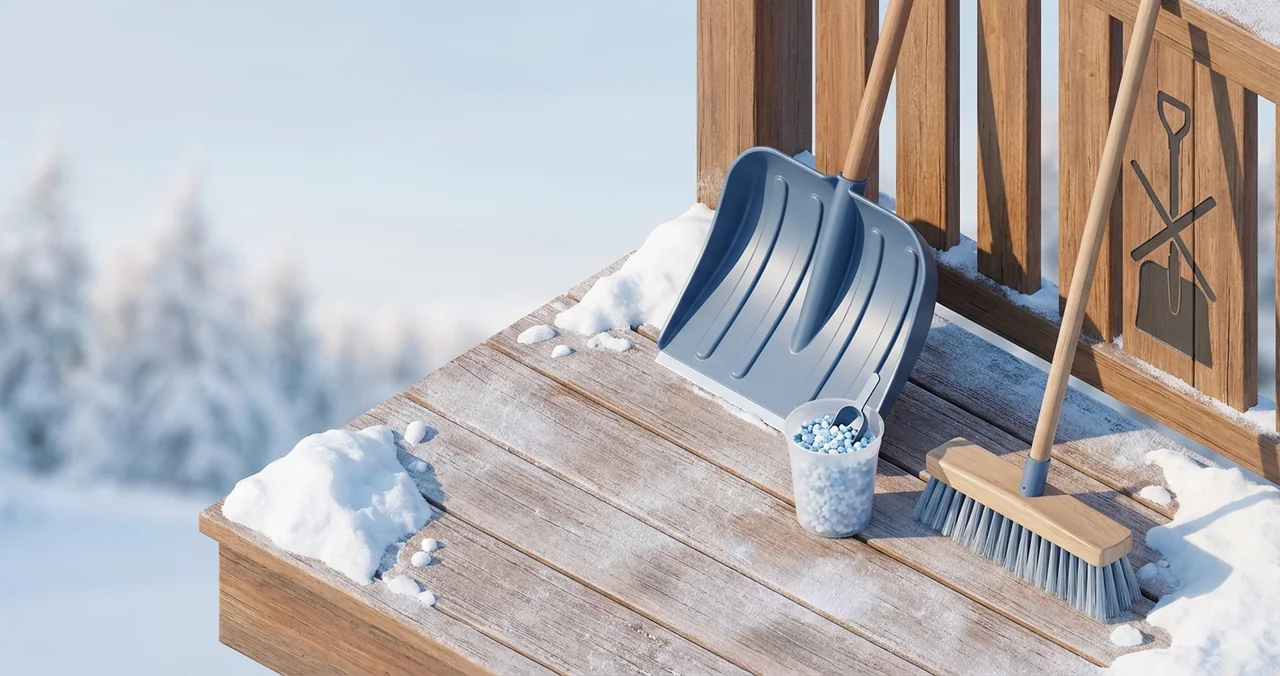
Your fence takes a beating every winter. Snow piles up against posts and panels, ice pulls at fasteners, and freeze-thaw cycles crack wood and shift footings. Most fence damage happens between December and March—and most of it is preventable.
Ontario winters are uniquely hard on fencing. We get heavy wet snow, ice storms, freeze-thaw cycling, and temperatures that swing from -25°C to above freezing in the same week. That expansion and contraction destroys untreated wood, splits vinyl, and loosens hardware.
Here's how to protect your fence through winter and avoid costly spring repairs.
Clear Snow Before It Compresses
Snow loads are the #1 winter fence killer. A foot of wet snow weighs 5-10 pounds per square foot. Against a 6-foot privacy fence, that's 30-60 pounds per linear foot pushing on panels and posts.
🏗️ Planning a deck project?
Get a free manual project review, or visualize your dream deck with AI before requesting quotes.
Don't wait for snow to pile up. Clear it when it reaches 6-8 inches against the fence line.
How to clear snow safely:
- Use a plastic snow shovel, not metal (metal scratches vinyl and gouges wood)
- Shovel parallel to the fence, not into it
- Leave 2-3 inches of snow as a buffer—don't scrape down to bare ground
- Never pile snow against posts or gates
- Clear both sides of the fence if accessible
If you get a heavy snowfall (12+ inches), clear it in stages. Don't try to move a full winter's worth of snow in one session—it'll stress panels and posts.
For wooden privacy fences: Snow sitting against the bottom 12 inches keeps wood wet and accelerates rot. Clear the fence line after every major snowfall, not just once in March.
For vinyl fences: Vinyl becomes brittle below -10°C. Compressed snow pushing on cold vinyl can crack panels. Clear snow promptly during cold snaps.
Prevent Ice Dams at the Fence Line
Ice dams form when snow melts during the day and refreezes at night. Water pools along the fence base, freezes, expands, and pushes posts out of alignment.
This happens most often where:
- Roof runoff flows toward the fence
- Ground slopes toward the fence
- Downspouts discharge near the fence line
- Snow gets shoveled into the fence area repeatedly
Prevention strategies:
- Extend downspouts 4-6 feet away from the fence before winter
- Divert roof runoff with splash blocks or extensions
- Grade soil away from the fence base in fall (1-inch drop per foot minimum)
- Never dump shoveled snow directly against fence posts
If you already have ice buildup, do not chip at it with metal tools. Use calcium chloride ice melt (safe for wood and vinyl) or warm water. Rock salt works but can damage plants in spring.
Protect Posts from Freeze-Thaw Heaving
Fence posts shift more in winter than any other season. Freeze-thaw cycling causes frost heaving—the soil freezes, expands, and pushes posts upward or sideways.
Ontario's frost line is 4 feet deep in most of KWC. Posts set shallower than this will move every winter.
If your posts weren't set deep enough:
You can't fix it mid-winter, but you can minimize damage:
- Pack gravel around loose posts (it drains water and reduces frost expansion)
- Brace leaning posts with temporary 2x4 supports until spring
- Mark shifted posts with spray paint so you remember which ones need repair
For spring repairs: Posts that heave every winter need to be reset to proper depth with gravel drainage. Budget $75-150 per post for professional reinstallation, or $30-50 in materials if you DIY.
Clay soil makes this worse. KWC has heavy clay in many areas. Clay holds water, freezes hard, and expands aggressively. If you're replacing posts, use a 6-inch gravel base and backfill with gravel, not clay.
Inspect and Tighten Hardware
Cold weather contracts metal. Screws, bolts, and brackets that were snug in summer can loosen by January.
Check these every 4-6 weeks in winter:
- Gate hinges (top and bottom)
- Gate latches and striker plates
- Post caps (wind lifts loose caps, water gets in, wood rots)
- Panel brackets (especially on vinyl fences with metal mounting hardware)
- Any decorative hardware (finials, post sleeves)
Bring a cordless drill and the right bits. Tighten loose screws before they strip out. Replace any rusted or corroded fasteners immediately—rust accelerates in wet winter conditions.
For wood fences: Use coated deck screws, not regular screws. Bare steel rusts fast. Budget $15-25 for a box of 1-lb coated screws.
For vinyl fences: Don't overtighten screws in vinyl brackets during winter. Vinyl contracts in cold—overtightening can crack it. Snug is enough.
Trim Back Overhanging Branches
Heavy snow and ice on branches causes them to snap. A falling branch will destroy fence panels, crack posts, and tear off gates.
Walk your fence line in late fall. Look for:
- Dead branches hanging over the fence
- Live branches within 3 feet of the fence
- Trees with split trunks or visible rot
Trim before the first snow. Budget $200-500 for a tree service to handle large branches, or do it yourself if branches are small (under 4 inches diameter).
If a branch falls on your fence, don't try to lift it off in freezing weather—you'll crack brittle panels. Wait for a thaw, or cut the branch into sections and remove it piece by piece.
Apply De-Icer Carefully
Salt and ice melt damage fences. Rock salt (sodium chloride) corrodes metal hardware, dries out wood, and can discolor vinyl.
Safer alternatives for fence areas:
- Calcium chloride (safe for wood and vinyl, works to -25°C)
- Magnesium chloride (less corrosive, works to -15°C)
- Sand or kitty litter (no chemical damage, provides traction)
Keep de-icer at least 12 inches away from fence posts and panels. If you're de-icing a driveway or walkway near the fence, use a broadcast spreader, not hand-throwing—it's easier to control where the product lands.
For gates: Spray hinges and latches with WD-40 or silicone spray before winter. This prevents ice from locking up the mechanism. Reapply every 4-6 weeks.
Watch for Winter Wind Damage
Ontario gets high winds in winter—especially during ice storms and Alberta clippers. Wind pressure on a 6-foot fence is significant.
Solid privacy fences catch the most wind. A 100-foot privacy fence in 60 km/h winds experiences 500-800 pounds of lateral force. Posts and panels that were marginal in summer will fail in winter.
Warning signs of wind stress:
- Posts leaning slightly (even 1-2 degrees)
- Gaps appearing between panels and posts
- Panels bowing outward
- Cracking or splitting sounds during high winds
If you notice these, add temporary bracing immediately. Use 2x4s staked into the ground at 45-degree angles against posts. This costs $30-50 in materials and prevents a $500-1,500 fence replacement.
For long-term fixes: Install mid-span posts or diagonal bracing. Ontario Building Code doesn't require wind bracing for residential fences, but it's smart in exposed areas (corner lots, hilltops, rural properties).
Avoid Pressure Washing in Winter
Pressure washing in winter forces water into wood grain, cracks, and fastener holes. That water freezes, expands, and causes splits and rot.
Never pressure wash a fence when:
- Temperature is below 10°C
- Temperature will drop below freezing within 24 hours
- You've had freezing nights in the past week
If you need to clean winter salt or mud off your fence, use a garden hose with a spray nozzle and let it air-dry completely. Or wait until April.
Spring is the right time to pressure wash—after the last frost, before you stain or seal.
Protect Stain and Sealant
If you stained or sealed your fence in summer, winter will test that finish. UV, moisture, freeze-thaw, and salt all break down stain.
You can't re-stain in winter (temperature needs to be above 10°C for 48 hours), but you can inspect for damage.
Check for:
- Flaking or peeling stain (water got under the finish)
- Greying wood (UV damage, stain wore off)
- Wet spots or dark streaks (stain failed, water penetrating)
Mark problem areas with chalk or spray paint. Plan to spot-treat in spring before the damage spreads.
Stain typically lasts 2-3 years in Ontario. If your fence is overdue, expect some winter damage. Budget $300-600 for professional restaining (100 linear feet, both sides), or $100-200 in materials for DIY.
Most contractors won't stain fences between November and April. Book early for spring—May and June fill up fast.
Material-Specific Winter Care
Wood Fences (Pressure-Treated and Cedar)
- Biggest risk: Rot from prolonged moisture contact
- Winter priority: Keep snow cleared from the bottom 12 inches
- Check for: Soft spots, cracks, grey discoloration
- Spring repair cost: $30-50/linear foot for panel replacement
Pressure-treated wood handles winter well if it's properly sealed. Cedar resists rot naturally but needs stain for UV and moisture protection.
Vinyl Fences
- Biggest risk: Brittleness and cracking below -10°C
- Winter priority: Avoid impacts when cold (don't lean ladders, bikes, or tools against vinyl in January)
- Check for: Cracks near post mounts, warped panels
- Spring repair cost: $200-400 per 8-foot panel replacement
Vinyl expands and contracts more than wood. Don't tighten hardware in winter—wait until spring when vinyl is warm and flexible.
Chain-Link Fences
- Biggest risk: Rust on galvanized wire and posts
- Winter priority: Inspect for rust spots, especially where snow piles up
- Check for: Orange rust, sagging mesh, bent top rails
- Spring repair cost: $20-35/linear foot for fabric replacement
Chain-link is the most winter-tolerant fence type, but salt and moisture accelerate rust. Touch up rust spots with cold-galvanizing spray ($12-18/can) before it spreads.
Aluminum and Steel Fences
- Biggest risk: Hardware corrosion, paint chips
- Winter priority: Touch up paint chips immediately (exposed metal rusts fast)
- Check for: Loose pickets, bent rails, rust at welds
- Spring repair cost: $50-80/linear foot for section replacement
Aluminum doesn't rust, but steel does. If you have a steel fence (pickets are magnetic), inspect welds and joints monthly.
When to Call a Professional
Some winter fence problems need immediate pro help:
- Posts leaning more than 5 degrees (fence could collapse in next windstorm)
- Entire sections pulling away from posts (structural failure)
- Gates dragging or won't close (post shifted, needs realignment)
- Cracked or split posts (replacement required)
Winter fence repairs cost 10-20% more than summer repairs (harder ground, weather delays, limited contractor availability). If the fence is still functional, wait until spring unless it's a safety hazard.
Emergency fence repair: $150-300 service call + materials and labor. Expect to pay premium rates for winter work.
Plan Spring Repairs Now
Walk your fence in late February or early March. Make a list of everything that needs attention:
- Loose or shifted posts
- Cracked or split panels
- Missing hardware
- Stain or sealant damage
- Gate alignment issues
Get quotes in March, book work for April or May. Contractors are slower in early spring—you'll get better rates and faster scheduling than if you wait until June.
Related: Winter deck care Ontario: salt, shoveling, ice covers similar protection strategies for decks.
Common Questions
How much snow is too much on a fence?
Anything over 8-10 inches of wet snow puts significant lateral pressure on fence panels and posts. Clear snow when it reaches 6-8 inches, especially if it's heavy and wet. Light, fluffy snow is less of a concern, but compressed snow from plowing or repeat snowfalls should be cleared.
Can I shovel snow against my fence?
No. Piling snow against fence panels keeps wood wet (accelerates rot), adds lateral pressure (shifts posts), and creates ice dams when it melts and refreezes. Shovel snow at least 12-18 inches away from the fence line, or pile it in the yard where it won't contact the fence.
Should I take down my fence for winter?
Only if it's a temporary decorative fence (like garden edging or snow fencing). Permanent wood, vinyl, or metal fences are designed to stay up year-round. Taking down and reinstalling a fence every season will damage posts and hardware. Instead, reinforce weak sections and keep snow cleared.
Does homeowners insurance cover winter fence damage?
It depends. Most policies cover fence damage from sudden events (falling trees, vehicle impacts, windstorms), but not gradual damage (rot, frost heave, normal wear). If a winter storm destroys your fence, file a claim. If your fence slowly leans over the winter due to frost heave, insurance likely won't cover it. Check your policy or call your broker.
When should I replace a fence damaged by winter?
If more than 30-40% of panels or posts are damaged, replacement is usually more cost-effective than repairs. Get quotes for both. A full fence replacement costs $30-80/linear foot installed depending on material (wood is cheapest, aluminum is most expensive). Isolated repairs—one or two posts, a few panels—are worth fixing. Widespread damage across the whole fence line usually means replace.
🎨 Not sure which material to pick?
Upload a photo of your backyard and see exactly how Trex, TimberTech, or cedar would look — free and instant.
Related Articles
- Winterizing Your Fence in Ontario: Protection Tips
- 4-Foot vs 6-Foot Fence in Ontario: Code and Cost
- Aluminum Fence Cost in Ontario: Price and Durability Guide
- Best Fence Materials for Ontario: Climate and Budget Guide
Upload a backyard photo and preview real decking materials with AI — free, instant, no sign-up.
Permits, costs, material comparisons, and questions to ask before requesting quotes — delivered to your inbox.