
Winterizing Your Fence in Ontario: Protection Tips
Protect your fence from Ontario's harsh winters. Essential winterizing steps for wood, vinyl, and aluminum fences to prevent damage and extend lifespan.
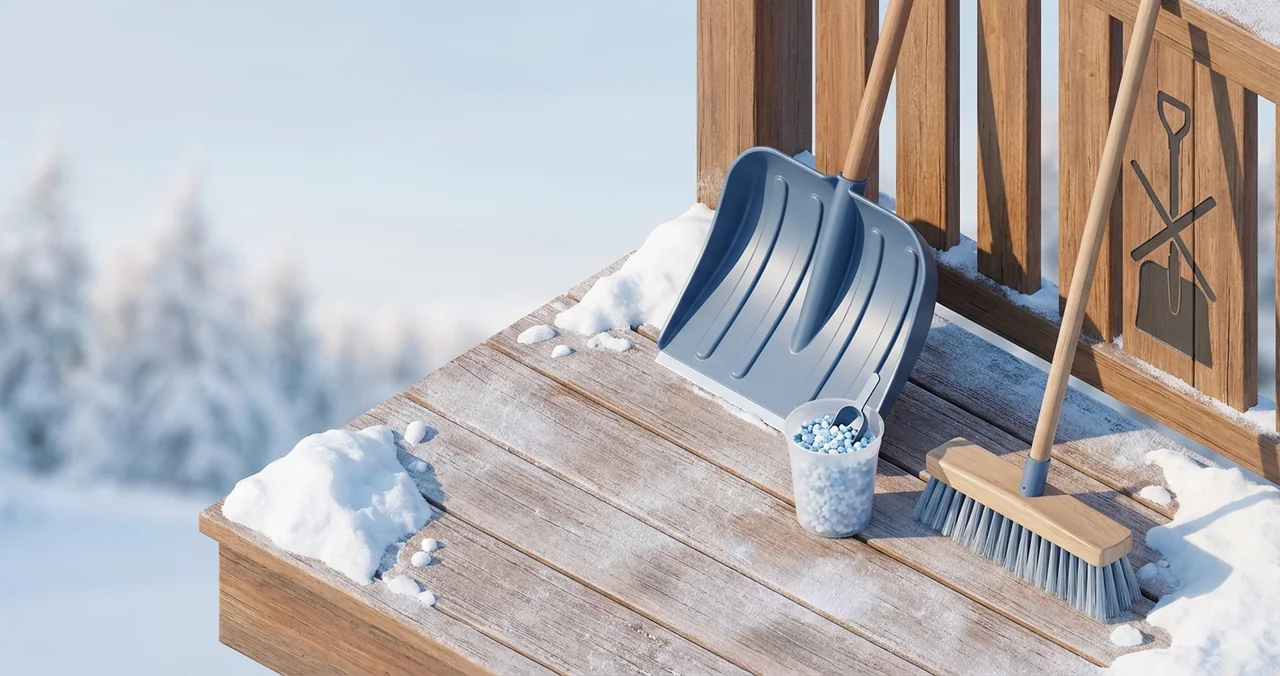
Ontario winters hit fences hard. Freeze-thaw cycles split wood, ice expansion cracks posts, snow load warps panels, and salt spray corrodes metal. A $3,500 cedar fence can need replacement in 10 years instead of 20 if you skip winter prep.
Most fence damage happens between November and March. The good news? Spending 2-4 hours on fall prep and basic winter maintenance saves you from costly spring repairs or premature replacement.
Why Ontario Winters Destroy Fences
Our climate creates the perfect conditions for fence failure:
🏗️ Planning a deck project?
Get a free manual project review, or visualize your dream deck with AI before requesting quotes.
Freeze-thaw cycling — Temperatures swing above and below freezing 40-60 times per winter in KWC. Water seeps into wood grain or vinyl seams, freezes (expanding 9%), thaws, and repeats. This micro-cracking accumulates season after season.
Frost heaving — Ground freezes down to 4 feet in Southern Ontario. Clay soil (common in Waterloo Region) holds water that expands when frozen, pushing fence posts up then dropping them when spring thaws arrive. Posts end up loose, leaning, or cracked at ground level.
Snow load — Heavy wet snow piles against fence panels, creating lateral pressure. A 6-foot privacy fence with 3 feet of wet snow drifted against it bears hundreds of pounds of sideways force.
Salt exposure — Road salt and ice melt spray from sidewalks, driveways, and plows. Sodium chloride corrodes metal fasteners, dries out wood, and degrades some vinyl formulations.
UV damage — Winter sun reflects off snow, doubling UV exposure. Combined with extreme cold, this makes materials brittle.
Wood Fence Winterizing (Pressure-Treated & Cedar)
Wood fences need the most attention. Follow these steps in late October or early November before the first hard freeze.
Clean and Inspect
Remove all debris, vegetation, and dirt from fence surfaces and base. Use a garden hose or pressure washer on low setting (500-600 PSI max for wood to avoid grain damage).
Check for:
- Loose or rusted fasteners (replace with stainless steel or coated screws)
- Cracked or split boards (mark for replacement)
- Rot at post bases (probe with screwdriver — soft spots need attention)
- Leaning posts or sagging sections
- Peeling stain or sealant
Apply Sealant or Stain
New pressure-treated fences: Wait 6-12 months before sealing to let wood dry (moisture content should drop below 15%).
Cedar fences: Can stain immediately if dry.
Existing fences: Reapply stain/sealant every 2-3 years minimum. In Ontario's climate, annual treatment is better.
Use oil-based penetrating stain or semi-transparent sealer designed for freeze-thaw climates. Water-based products can trap moisture. Apply when temperatures are 10-25°C and no rain is forecast for 48 hours.
Cost: $50-120 for enough stain to coat 100 linear feet of 6-foot fence (one coat).
Trim Ground Contact
Cut back grass, weeds, and garden beds touching the fence. Leave 2-3 inches of clearance at the bottom. This prevents moisture wicking into wood and improves air circulation.
If your fence sits directly on soil, consider adding ¾-inch crushed gravel along the base for drainage.
Address Post Stability
Wiggle each post. Movement means frost heaving has loosened it or the footing has degraded.
Quick fix: Pack gravel around loose posts and tamp firm.
Proper fix: Dig out the post (usually set in concrete or compacted gravel 3-4 feet deep in Ontario), replace rotted sections, reset with fresh concrete extending above grade to shed water. Cost: $75-150 per post if you hire out.
For detailed footing requirements, see our guide on deck footing options in Ontario — fence posts follow similar frost-line depth rules.
Protect Post Tops
Water sitting on horizontal post tops soaks into end grain and causes rot. Options:
- Install metal or vinyl post caps ($3-8 each)
- Cut posts at a 15-20° angle to shed water
- Apply extra sealant to tops and end grain
Vinyl Fence Winterizing
Vinyl is low-maintenance but not maintenance-free. Cold makes vinyl brittle — impacts that wouldn't crack a panel in summer can shatter it at -20°C.
Fall Cleaning
Wash with mild detergent and water. Use a soft brush — avoid abrasive pads that scratch the surface (scratches trap dirt and look grimy).
Remove any mildew with a solution of 1 part bleach to 10 parts water. Rinse thoroughly.
Check Hardware
Vinyl panels are held by metal or plastic clips, screws, and brackets. Check that:
- All screws are snug but not over-tight (vinyl expands and contracts)
- Clips haven't cracked or popped loose
- Gate hinges swing freely and latch aligns
Replace damaged hardware before winter. Loose panels catch wind and snow load more severely.
Clear Snow Carefully
Don't use a metal shovel to clear snow from vinyl fence bases — you'll scratch or crack panels. Use a plastic shovel or broom.
If ice bonds to the fence, let it melt naturally or use calcium chloride ice melt (gentler than sodium chloride on vinyl and metal).
Address Ground Heaving
Vinyl fence posts (usually aluminum wrapped in vinyl) are set in concrete footings below frost line. Even so, frost heaving can lift them.
Watch for panels that look "stretched" vertically or gaps opening between rails and posts. This means a post has shifted. You'll need to reset the post in spring — not something to attempt when ground is frozen.
Aluminum & Metal Fence Winterizing
Aluminum is the most winter-resistant option but still benefits from prep.
Clean and Check Fasteners
Remove dirt and salt residue with soap and water. Check for:
- Rust spots (shouldn't happen on quality aluminum, but fasteners can rust)
- Loose brackets or screws
- Bent pickets or rails from impact
Tighten loose connections. Replace rusted steel fasteners with stainless steel or coated aluminum screws.
Touch Up Coating
If you see scratches through the powder coating, touch up with matching paint or clear protective spray to prevent corrosion starting at the bare metal.
Gate Maintenance
Metal gates sag over time. Check that:
- Hinges are tight and not binding
- Gate latches align properly
- Anti-sag cables or diagonal braces are tensioned
Cold weather makes gate issues worse — a slightly misaligned latch becomes impossible to close at -15°C when metal contracts.
Chain-Link Fence Winter Prep
Galvanized chain-link holds up well, but check for:
- Rust spots (especially at bottom where salt spray hits) — treat with rust converter and touch-up paint
- Loose tension wire — tighten if fabric is sagging
- Damaged gate springs — replace before they fail in cold weather
- Vegetation — trim anything growing through mesh (dead plant matter traps moisture)
Winter Maintenance Tasks
Once winter arrives, a few simple habits prevent damage:
Clear heavy snow: When snow accumulates more than 12 inches against fence panels, gently brush it away from wood or vinyl fences. Don't let drifts build up.
Watch for ice dams: Roof runoff or downspouts dumping water near your fence can create ice buildup that pushes panels or saturates post bases. Redirect water flow.
Avoid salt spray: If you're salting your driveway or sidewalk near the fence, use calcium chloride or magnesium chloride instead of rock salt (sodium chloride). Apply away from fence line when possible.
Check after storms: High winds combined with ice or snow load can damage weakened sections. A quick walk-around after major weather lets you catch problems before they worsen.
Don't hang Christmas lights with staples or nails: Use removable clips designed for fences. Puncturing wood or vinyl creates water entry points.
Spring Follow-Up
When snow melts (typically late March in KWC), inspect your fence:
- Look for new cracks, splits, or loose boards
- Check post stability — frost heaving reveals itself when ground thaws
- Clean off any remaining salt residue
- Plan repairs before spring rains start
Early spring is ideal for fence repairs. Materials are available, contractors are booking summer work, and you'll have use of your fence all season.
What to Do About Damage
Minor issues (a few loose boards, small cracks): DIY-friendly. Replace boards, tighten screws, apply sealant. Cost: $50-200 in materials.
Moderate damage (multiple broken panels, leaning posts): Get quotes from fence contractors. Repairs typically cost $300-800 depending on scope.
Severe damage (widespread rot, multiple failed posts, structural failure): Consider replacement. A damaged fence doesn't just look bad — it fails to provide privacy, security, or property definition. See our fence cost guide for KWC for budgeting.
If your fence is 10+ years old and showing multiple issues, winterizing might just be buying time. Compare the cost of ongoing repairs to replacement, especially if you're considering a more winter-durable material like vinyl or aluminum.
Material Comparison: Winter Durability
| Material | Winter Durability | Winterizing Effort | Typical Lifespan (Ontario) |
|----------|-------------------|-------------------|----------------------------|
| Pressure-Treated Wood | Moderate (requires regular maintenance) | High (clean, seal, annual inspections) | 15-20 years with care |
| Cedar | Good (naturally rot-resistant) | Moderate (annual sealing recommended) | 20-25 years with care |
| Vinyl | Very Good (won't rot, but can crack in cold) | Low (clean, inspect hardware) | 20-30 years |
| Aluminum | Excellent (won't rust or rot) | Very Low (clean, check fasteners) | 25-40 years |
| Chain-Link (Galvanized) | Good (rust-resistant coating) | Low (clear vegetation, touch up rust) | 15-20 years |
The $45-70/linear foot you'll pay for vinyl installed versus $30-50/foot for pressure-treated wood starts to make sense when you factor in annual sealing costs ($2-4/linear foot professionally, or your time DIY) and earlier replacement.
Beyond the Fence: Perimeter Planning
If you're thinking about fence replacement or a new fence project, consider how it integrates with other outdoor structures. Many homeowners tackle deck projects and fence work together to create a complete outdoor space.
Deck and fence combo projects often share:
- Permit applications (separate permits, but submitted together saves time)
- Contractor scheduling (some builders handle both)
- Design coordination (matching or complementary styles)
- Property line considerations (see setback rules for KWC)
Winter is actually an excellent time to plan these projects. Contractors are less busy, you can get better quotes, and you're ready to build when spring arrives.
🎨 Not sure which material to pick?
Upload a photo of your backyard and see exactly how Trex, TimberTech, or cedar would look — free and instant.
Common Questions
How much does it cost to winterize a fence in Ontario?
DIY winterizing costs $100-300 for a typical residential fence (materials: cleaner, stain/sealant, minor hardware replacements, post caps). Professional fence sealing runs $2-4 per linear foot — so $400-800 for a 200-linear-foot fence. This is far cheaper than spring repairs or premature replacement.
Can I stain my fence in winter?
No. Most stains and sealants require application temperatures of 10-25°C and won't cure properly below that. You also need dry wood (not frozen or wet) and 24-48 hours without rain or snow. Late October or early November is your last window in Southern Ontario. If you missed it, wait until late April or May.
Do vinyl fences crack in Ontario winters?
Quality vinyl fences are formulated for freeze-thaw climates and shouldn't crack from cold alone. However, impacts when vinyl is cold (below -15°C) can crack panels that would flex and survive the same hit in summer. This is why clearing snow carefully and avoiding metal shovels matters. Cheap vinyl or improper installation (posts set too shallow, panels too tight) increases crack risk.
Should I remove fence panels before winter?
Only if panels are already damaged or loose. Removing and storing panels is unnecessary for a properly built fence and creates more work. Exception: temporary decorative fence panels or screens that aren't designed for winter weather — store those in a garage or shed.
How do I know if my fence posts are deep enough for Ontario frost?
Posts should extend at least 4 feet below grade in Southern Ontario (deeper in northern regions). Check your original fence installation paperwork or permit drawings. If posts are heaving (leaning, lifting, loose after winter), they're not deep enough or the footing has failed. You'll see the same frost-line requirements for deck footings in Ontario — fences follow identical rules.
Upload a backyard photo and preview real decking materials with AI — free, instant, no sign-up.
Permits, costs, material comparisons, and questions to ask before requesting quotes — delivered to your inbox.