
Covered Deck Ideas for Virginia (2026)
Explore covered deck ideas perfect for Virginia's climate. Design tips, material choices, costs, and local building codes for year-round enjoyment.
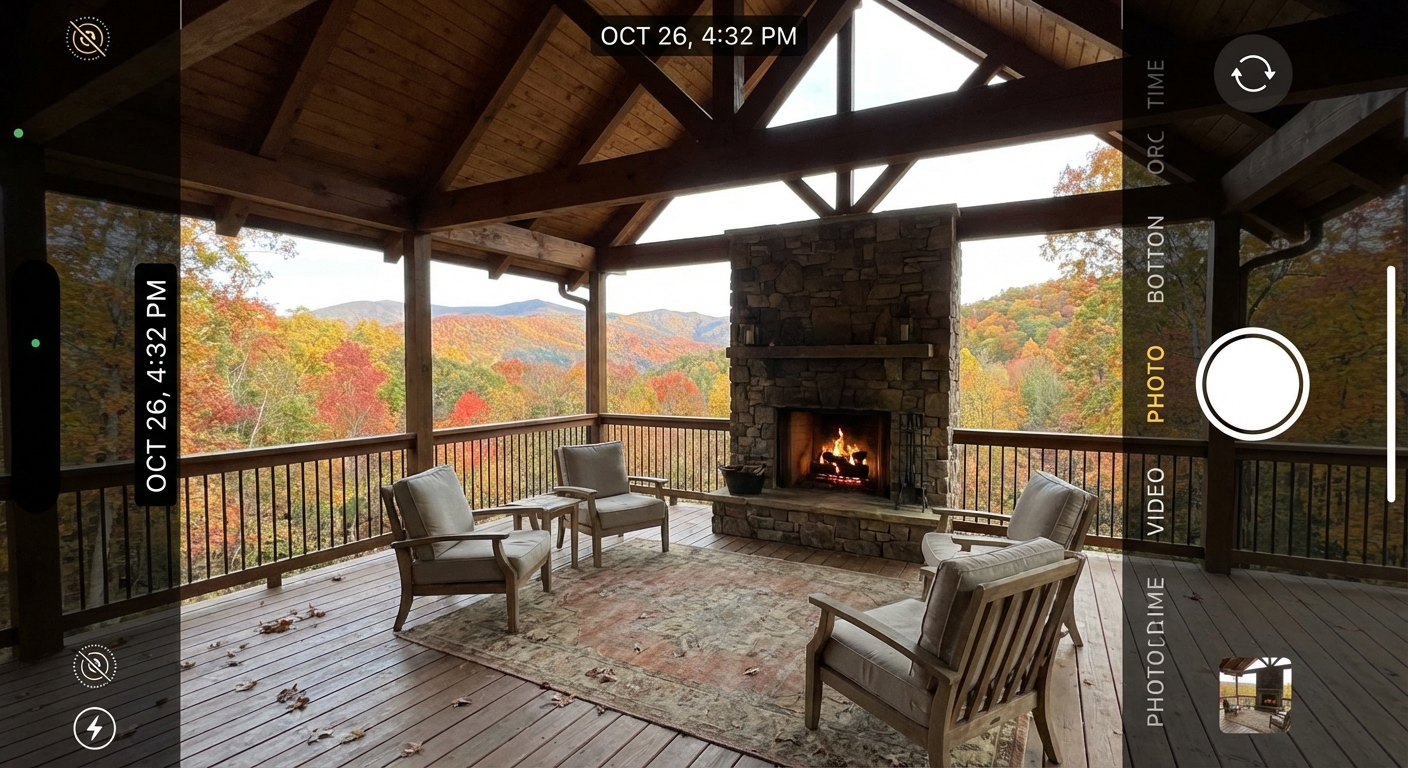
Do you dream of enjoying your Virginia backyard regardless of the weather? A covered deck extends your outdoor living season, providing shelter from the hot summer sun and protection from rain and snow. This guide provides covered deck ideas tailored to Virginia's unique climate and regional considerations, helping you create the perfect outdoor space.
Planning Your Virginia Covered Deck
Looking for more regional information? Check out our Virginia State Decking Hub.
🏗️ Planning a deck project?
Get a free manual project review, or visualize your dream deck with AI before requesting quotes.
Virginia's distinct four seasons mean your covered deck needs to withstand a range of conditions, from humid summers with temperatures reaching 85-95°F to cold winters where temperatures can drop to 20-35°F. Careful planning is key to building a deck that's both functional and beautiful year-round.
Understanding Virginia's Climate & Building Codes
Before you start, consider these Virginia-specific factors:
- Climate: Prepare for intense sun, humidity, rain, and occasional snow. Choose materials and designs that can withstand these elements.
- Building Codes: The Virginia Uniform Statewide Building Code (USBC) applies statewide. Most localities require permits for decks over 200 sqft or 30" above grade. Check with your local building department for specific requirements.
- Frost Line: The frost line in Virginia ranges from 18-24 inches, but can be deeper (up to 30") in the western mountain regions. Your deck footings must extend below the frost line to prevent shifting.
- Pest Control: Termite pressure is moderate in Virginia. Treat all ground-contact lumber to prevent damage.
- Coastal Considerations: If you live in the Hampton Roads area (Chesapeake, Newport News, Norfolk, Virginia Beach), use corrosion-resistant hardware due to salt air exposure.
- Regional Variations: Alexandria and Arlington have stricter zoning regulations, smaller lots, and higher labor costs (expect a $5-10/sqft premium). Roanoke and other mountain areas often have sloped lots, making multi-level decks a popular choice.
Defining Your Needs & Budget
Consider how you plan to use your covered deck:
- Dining & Entertaining: Do you need space for a large table and chairs?
- Relaxation: Will you be adding comfortable seating, a hammock, or a hot tub?
- Cooking: Do you want an outdoor kitchen or grilling area?
- Protection from Insects: Are mosquitoes a major concern? A screened porch might be the best option. See more at Screened Porch Deck Ideas for Virginia: Beat the Bugs & Humidity.
Next, establish a realistic budget. Deck costs in Virginia vary widely based on materials and complexity. Here’s a general overview of installed deck costs per square foot:
| Material | Cost per SqFt (Installed) |
| ------------------ | ------------------------- |
| Pressure-Treated | $28-48 |
| Composite | $50-80 |
| Cedar | $38-58 |
| Trex | $55-85 |
Remember to factor in the cost of the roof structure, permits, and any additional features.
<!-- slot:after-intro -->
Covered Deck Design Ideas for Virginia Homes
Your covered deck should complement your home's architectural style and blend seamlessly with your landscape. Many Virginia homes have a colonial or traditional design, so consider elements that reflect that aesthetic.
Roof Styles & Materials
Choose a roof style that complements your home’s existing roofline. Common options include:
- Gable Roof: A simple, cost-effective option that’s easy to integrate with many house styles.
- Hip Roof: Provides more coverage and a more finished look.
- Shed Roof: A single-sloping roof that's often used for smaller decks.
- Pergola: While not a complete roof, a pergola provides partial shade and can be covered with vines or fabric for added protection.
Match your roofing material to your home's roof for a cohesive look. Asphalt shingles are a common choice, but you could also consider metal roofing or wood shakes.
Decking Materials
Select decking materials that can withstand Virginia's weather.
- Pressure-Treated Lumber: A budget-friendly option that's resistant to rot and insects. Requires regular staining or sealing.
- Cedar: A naturally beautiful and durable wood that's resistant to insects and decay. More expensive than pressure-treated lumber.
- Composite Decking: Made from recycled plastic and wood fibers, composite decking is low-maintenance and resists fading, staining, and scratching. Options like Trex are popular. Explore Composite Deck Cost in Virginia: What to Expect in 2026.
- Tropical Hardwoods: Ipe and other tropical hardwoods are exceptionally durable and beautiful, but also the most expensive option.
Integrating Your Deck with the Landscape
Consider how your deck will connect to your yard.
- Multi-Level Decks: Ideal for sloped lots, creating distinct zones for dining, relaxing, and cooking. Popular in areas like Roanoke.
- Stairs & Landings: Ensure easy access to your yard.
- Landscaping: Add plants, shrubs, and trees to soften the edges of your deck and create a more natural feel.
- Lighting: Install deck lighting for safety and ambiance. Options include recessed lights, string lights, and post cap lights.
Must-Have Features for Virginia Decks
- Screened Enclosures: Especially valuable for keeping mosquitoes at bay. Consider a fully screened porch or a partial enclosure.
- Outdoor Fireplaces: Extend your deck's usability into the cooler months.
- Built-in Seating: Saves space and provides comfortable seating for guests.
- Outdoor Kitchens: A great addition for avid grillers and entertainers.
Use PaperPlan (paperplan.app) to visualize your deck with PaperPlan design with different materials and layouts before committing to a contractor. Experiment with roof styles, decking materials, and landscaping options to create the perfect outdoor living space for your Virginia home.
<!-- slot:mid-content -->
Practical Considerations for Building Your Covered Deck
Beyond design, several practical factors will influence the success of your covered deck project.
Permits and Building Codes
Familiarize yourself with Virginia's building codes and permit requirements. As mentioned, most localities require permits for decks over 200 sqft or 30" above grade. Do You Need a Deck Permit in Virginia? State & County Rules Explained provides further information. Neglecting permits can lead to fines and delays.
Hiring a Contractor vs. DIY
Building a covered deck is a complex project that requires carpentry skills, knowledge of building codes, and experience with roofing. If you're not comfortable with these tasks, hire a qualified contractor. Find local professionals in areas like Best Deck Builders in Richmond, VA: How to Find the Right Contractor or Best Deck Builders in Virginia Beach: Coastal Contractor Guide.
If you're an experienced DIYer, you can tackle the project yourself. How to Build a Deck in Virginia: Step-by-Step DIY Guide offers a comprehensive guide.
Choosing the Right Time to Build
The best months to build a deck in Virginia are typically March-May and September-November, when the weather is mild and dry. Avoid building during the hottest summer months or the coldest winter months.
Material Selection & Cost Breakdown
Here's a more detailed breakdown of material costs for a hypothetical 200 sq ft covered deck:
| Material | Cost per SqFt | Total Cost (200 sq ft) | Notes |
| ----------------------- | ------------- | ---------------------- | ---------------------------------------------------------------------------------------------------------------------------------------------------------------------------------------------- |
| Pressure-Treated Deck | $28-48 | $5,600 - $9,600 | Budget-friendly, requires staining, shorter lifespan. |
| Cedar Deck | $38-58 | $7,600 - $11,600 | Natural beauty, insect-resistant, moderate lifespan. |
| Composite Deck (Trex) | $55-85 | $11,000 - $17,000 | Low-maintenance, long-lasting, resists fading and staining. Higher upfront cost but lower lifetime cost due to reduced maintenance. |
| Roofing (Asphalt Shingles) | $3-5/sqft installed | $600 - $1,000 (for 200 sq ft projection) | Adds protection from elements, choose color to match home. |
| Permits | N/A | $200 - $500 | Varies by locality. Check with your local building department. |
| Labor (Professional)| $20-40/sqft | $4,000 - $8,000 | Assumes professional installation. DIY will reduce this cost, but requires significant time and skill. Alexandria & Arlington may see costs at the higher end due to labor market conditions. |
These are estimates. Obtain quotes from multiple contractors for accurate pricing. How Much Does a Deck Cost in Virginia? Complete 2026 Guide offers more detailed pricing information.
Maintaining Your Covered Deck
Regular maintenance will prolong the life of your covered deck.
- Cleaning: Sweep regularly to remove debris. Wash with soap and water annually.
- Staining/Sealing: Pressure-treated lumber and cedar decks require staining or sealing every 2-3 years. Stain in spring (April-May) or fall (September-October) when temperatures are 50-85°F. See Deck Staining Tips for Virginia: When & How to Do It Right.
- Inspecting: Check for signs of rot, insect damage, or loose fasteners.
- Winterizing: Remove snow and ice to prevent damage.
Deck Maintenance in Virginia: Seasonal Care Guide for All 4 Seasons offers a detailed guide to seasonal deck care.
<!-- slot:before-faq -->
🎨 Not sure which material to pick?
Upload a photo of your backyard and see exactly how Trex, TimberTech, or cedar would look — free and instant.
Frequently Asked Questions
Do I need a permit to build a covered deck in Virginia?
Yes, most localities in Virginia require a permit for decks over 200 sqft or 30" above grade. Contact your local building department to confirm specific requirements.
What's the best material for a covered deck in Virginia's climate?
Composite decking like Trex is a great choice for its durability and low maintenance. Cedar is also a good option for its natural beauty and resistance to insects and decay. Pressure-treated lumber is the most affordable option but requires more maintenance.
How much does it cost to build a covered deck in Virginia?
Expect to pay between $28-85 per square foot installed, depending on the materials you choose. Composite decking and more elaborate roof structures will increase the cost. Labor costs can be higher in areas like Alexandria and Arlington.
How can I protect my deck from mosquitoes in Virginia?
A screened enclosure is the most effective way to protect your deck from mosquitoes. You can also use mosquito repellent, citronella candles, and fans to deter them.
What is the frost line in Virginia, and why is it important for deck construction?
The frost line in Virginia is typically 18-24 inches, but can be deeper in the western mountains. Deck footings must extend below the frost line to prevent the ground from freezing and thawing, which can cause the deck to shift and become unstable.
<!-- slot:end -->
📋 Planning a deck project?
Get a free manual project review from our team — no obligation, no spam.
Get Free Project Review →Upload a backyard photo and preview real decking materials with AI — free, instant, no sign-up.
Permits, costs, material comparisons, and questions to ask before requesting quotes — delivered to your inbox.