
Hot Tub Pad Options in Ontario (2026)
Compare concrete, gravel, and deck hot tub pads for Ontario's freeze-thaw climate. Cost, installation, code requirements, and which option works best.
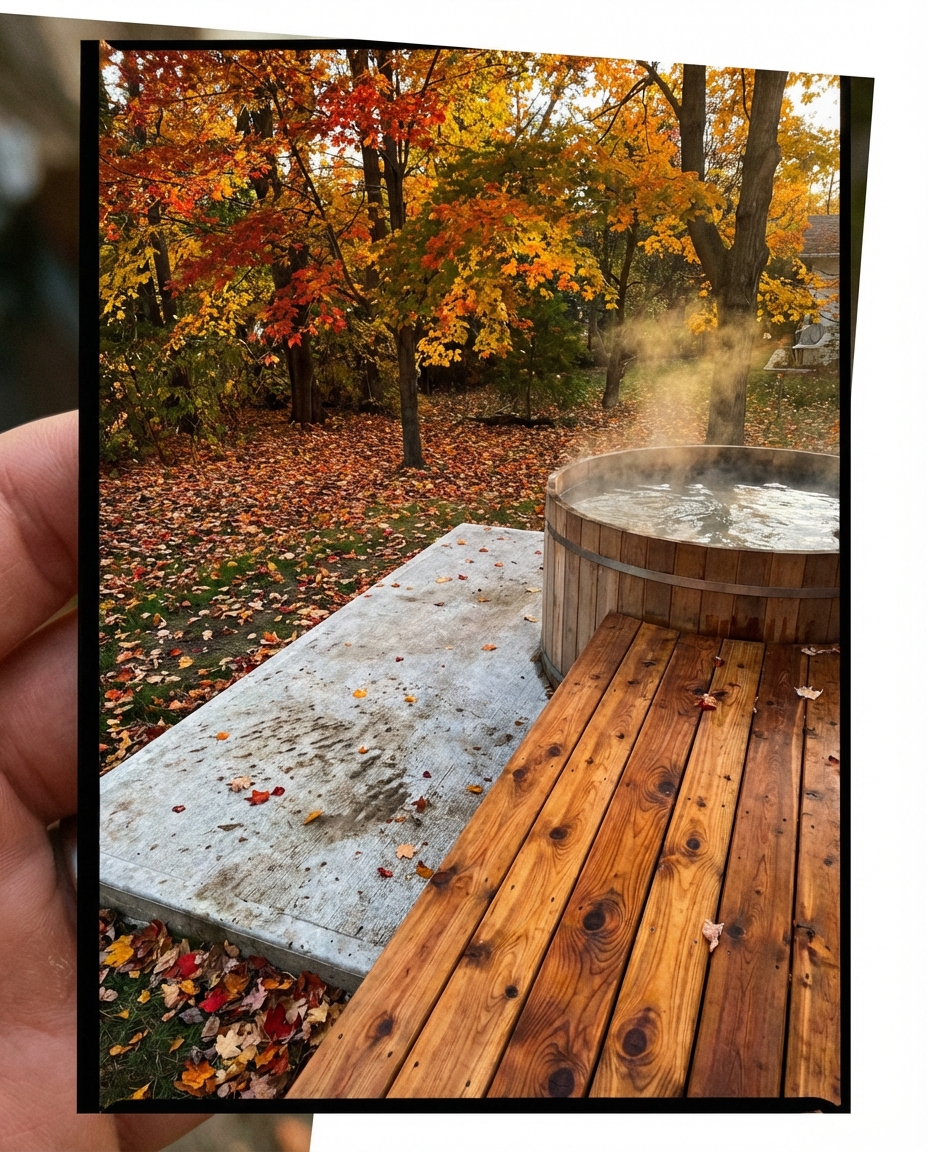
You've bought the hot tub, now you need somewhere to put it. But in Ontario, you can't just plunk it on the grass — our freeze-thaw cycles, clay soil, and building code requirements mean you need a properly engineered base that won't shift, sink, or fail inspection.
Most Ontario homeowners choose between three main options: poured concrete pad, compacted gravel base, or reinforced deck. Each has different costs, permitting requirements, and suitability depending on your yard conditions and whether you're installing an in-ground or above-ground hot tub.
Here's what actually works in Ontario's climate, what it costs, and what you need to know before you dig.
Why Hot Tub Pad Choice Matters in Ontario
A filled 6-8 person hot tub weighs 3,500-6,000 lbs (1,600-2,700 kg). Add people and you're pushing 8,000 lbs concentrated in roughly 64-100 square feet.
🏗️ Planning a deck project?
Get a free manual project review, or visualize your dream deck with AI before requesting quotes.
That weight on unstable ground causes problems:
- Sinking and tilting: Clay-heavy Ontario soil expands when wet, contracts when dry. Uneven settling damages tub components and plumbing.
- Frost heave: Ground freezes to 48 inches deep in southern Ontario. Improperly installed pads shift upward in winter, crack in spring.
- Structural failure: Undersized or poorly reinforced bases can crack under load, especially during fill-drain cycles.
- Code violations: Most municipalities require engineered foundations for permanent hot tub installations, especially if the tub is attached to a deck.
Getting the pad right the first time saves you from releveling or rebuilding later.
Concrete Pad: The Most Permanent Option
A poured concrete slab is the gold standard for hot tub installations in Ontario. It provides a stable, level, frost-resistant base that handles heavy loads indefinitely.
Concrete Pad Specifications
For a typical residential hot tub, you need:
- Thickness: 4-6 inches minimum (6 inches for larger tubs)
- Reinforcement: Rebar grid or wire mesh to prevent cracking
- Gravel base: 4-6 inches of compacted ¾" clear stone for drainage and frost protection
- Size: 6-12 inches larger than tub footprint on all sides
- Slope: 1/4 inch per foot away from house for drainage
The concrete should be 3,000-4,000 PSI mix rated for freeze-thaw exposure. In Ontario's climate, air-entrained concrete is essential — it creates microscopic air pockets that accommodate expansion during freeze cycles.
Installation Process
- Excavate 10-12 inches deep (accounts for gravel base + slab thickness)
- Compact gravel base in 2-inch lifts using a plate compactor
- Install vapor barrier (6-mil poly) to prevent moisture wicking
- Place rebar or wire mesh 2 inches above gravel (use dobies or chairs)
- Pour and finish concrete, ensuring proper slope for drainage
- Cure for 28 days before placing hot tub (light cure sufficient after 7 days)
Concrete Pad Cost (2026 Ontario)
Expect to pay $800-2,200 for a professionally installed hot tub pad depending on size and site conditions:
- Basic 8×8 ft pad: $800-1,200
- Standard 10×10 ft pad: $1,200-1,600
- Large 12×12 ft pad: $1,600-2,200
DIY material costs run $300-600 if you have excavation equipment and concrete finishing experience.
Additional costs:
- Excavation (if difficult access): +$200-500
- Gravel delivery: +$50-150
- Permit (if required by municipality): $100-300
- Electrical rough-in conduit: +$150-400 if coordinated during pour
Pros and Cons
Advantages:
- Permanent, stable base that won't shift or settle
- Handles maximum weight capacity
- Low maintenance — no annual releveling
- Best resale value if hot tub is part of landscaping plan
- Can incorporate electrical conduit during installation
Disadvantages:
- Highest upfront cost
- Difficult to relocate if you move tub
- Requires 28-day cure time before use
- May require permit (check local bylaws)
- Ugly if left exposed after tub removal
Gravel Base: The Budget-Friendly Standard
A compacted gravel pad is the most common DIY option in Ontario. When installed correctly, it provides adequate support for above-ground hot tubs at a fraction of concrete's cost.
Gravel Pad Specifications
For a stable gravel base:
- Depth: 6-8 inches of compacted gravel minimum
- Material: ¾" clear stone (no fines) for drainage; 1/4" crusher dust top layer for leveling
- Compaction: Use plate compactor — hand tamping is insufficient
- Edging: Landscape timbers, patio blocks, or poured concrete curb to contain gravel
- Geotextile fabric: Install below gravel to prevent mixing with clay soil
The key is compaction. Loose gravel settles under load. Each 2-inch lift must be compacted before adding the next layer.
Installation Process
- Excavate 8-10 inches deep, extending 12 inches beyond tub footprint
- Lay geotextile fabric across excavated area
- Add ¾" clear stone in 2-inch lifts, compacting each layer thoroughly
- Top with 1-2 inches crusher dust for leveling
- Compact final surface — check level in multiple directions
- Install edging to prevent gravel migration
Gravel Pad Cost (2026 Ontario)
A DIY gravel pad runs $150-400 depending on size:
- Materials for 8×8 ft pad: $150-250 (gravel, fabric, edging)
- Materials for 10×10 ft pad: $250-400
- Plate compactor rental: $60-100/day
Professional installation costs $400-900 including labor, equipment, and materials.
Pros and Cons
Advantages:
- Lowest cost option
- Fast installation — ready same day
- Easy to adjust or remove
- Excellent drainage prevents water pooling
- Generally doesn't require permit
Disadvantages:
- Requires periodic releveling (every 2-4 years)
- Can shift during severe freeze-thaw cycles
- Gravel migrates if edging fails
- Not suitable for in-ground or semi-in-ground installations
- May not satisfy code for deck-mounted tubs
When Gravel Works (and When It Doesn't)
Gravel is fine for:
- Freestanding above-ground hot tubs on relatively flat, stable soil
- Temporary or portable spas you may relocate
- Budget-conscious installations where you can accept occasional maintenance
Skip gravel if:
- You have expansive clay soil with known drainage issues
- The site has a slope greater than 2%
- You're installing a large commercial-grade tub (8+ person)
- Local code requires engineered foundation
Reinforced Deck: The Integrated Approach
Adding a hot tub to an existing deck or building a new deck specifically for hot tub placement offers aesthetic and access benefits — but it requires serious structural engineering.
Structural Requirements
Standard residential decks are built for 50 PSF live load. A hot tub exerts 80-120 PSF over its footprint. You need:
- Dedicated support structure: Separate beam-and-post system directly beneath tub
- Closer joist spacing: 12 inches on-center (vs. typical 16-inch)
- Larger lumber: 2×10 or 2×12 joists instead of 2×8
- Additional footings: Often doubling typical footing count in tub area
- Engineer stamp: Most Ontario municipalities require professional engineering drawings for deck-mounted hot tubs
The deck framing under the tub essentially becomes an elevated concrete pad equivalent — overbuilt to handle concentrated load.
Code and Permit Considerations
In Kitchener-Waterloo-Cambridge, a deck supporting a hot tub typically requires:
- Building permit with engineered drawings
- Footing inspection before pouring concrete
- Framing inspection before decking installation
- Final inspection before placing tub and filling
If you're adding a tub to an existing deck, expect to retrofit additional support structure. This often means cutting deck boards, installing new posts/footings, and sistering joists — essentially rebuilding the section beneath the tub.
For detailed permit requirements, see our guides on Kitchener deck permits, Waterloo deck permits, and Cambridge deck permits.
Deck Hot Tub Cost (2026 Ontario)
Adding hot tub support to an existing deck costs $3,000-8,000 depending on required structural modifications:
- Engineering drawings: $800-1,500
- Additional footings and posts: $1,200-3,000
- Reinforced framing: $1,000-2,500
- Permit fees: $200-500
Building a new deck with integrated hot tub area runs $12,000-25,000+ for a 200-300 sqft composite deck with properly engineered hot tub support.
For comparison pricing, check our Kitchener deck cost guide and Waterloo deck cost guide.
Pros and Cons
Advantages:
- Integrated aesthetics — tub becomes part of outdoor living space
- Easy access, no stepping down to ground level
- Can incorporate privacy screens, pergola, or built-in seating
- Adds significant value to outdoor space
Disadvantages:
- Highest cost by far
- Requires permit and engineering
- Difficult to relocate tub later
- Complicates deck maintenance and eventual replacement
- Structural requirements often surprise homeowners during planning
Hot Tub on Deck Checklist
Before committing to a deck-mounted installation, read our hot tub on deck structural checklist covering load calculations, joist sizing, and code compliance.
Patio Pavers: The Fourth Option
Some homeowners install hot tubs on interlock or paver patios. This works if:
- The patio has a properly compacted 8-12 inch granular base
- Pavers are 2⅜ inches thick minimum (standard residential pavers)
- The base extends at least 12 inches beyond tub footprint
- You verify the patio was installed to handle vehicular loads (higher compaction standard)
Most standard patio installations in Ontario use 6-8 inches of base, which is marginal for hot tub weight. You may see settling over time.
Cost to retrofit: $800-1,800 to excavate, add compacted base, and relay pavers in hot tub area.
For general patio installation costs and specifications, see our patio cost guide.
Ground Preparation: Critical for All Options
Regardless of which pad type you choose, site prep determines long-term performance.
Soil Assessment
Ontario's clay-heavy soil requires special attention:
- Clay soil: Expands when wet, shrinks when dry. Requires deeper gravel base and possibly geotextile fabric.
- Sandy soil: Drains well but can shift. Compaction is critical.
- Fill soil: Common in newer subdivisions. Often poorly compacted — may require excavation to undisturbed soil.
If you're unsure about soil stability, a geotechnical assessment ($500-1,000) identifies issues before installation.
Drainage
Water pooling under or around your hot tub causes:
- Frost heave — frozen water expands, lifts pad
- Soil erosion — undermines pad edges
- Ice hazards — slippery access in winter
Ensure:
- Positive slope away from pad (minimum ¼ inch per foot)
- Gravel base extends 12+ inches beyond pad for lateral drainage
- French drain or swale if site has known drainage issues
For properties with challenging drainage, see our guide on deck drainage solutions.
Frost Line Considerations
Ontario's frost line extends 48 inches deep in southern regions. While hot tub pads themselves don't need to extend below frost line (the tub's heat mitigates heave), any deck support footings must be properly sized.
See our frost line and footing depth guide for details.
Electrical and Access Planning
Don't forget utilities and access when choosing pad location:
Electrical Requirements
Hot tubs require 240V dedicated circuit with GFCI protection. Plan for:
- Electrical run from panel to tub location — shorter is cheaper
- Conduit installation — bury before pouring concrete pad
- Disconnect box mounted within sight of tub (code requirement)
- Permit and inspection — electrical work requires separate permit in most Ontario municipalities
Budget $800-2,000 for professional electrical installation depending on distance from panel.
Winter Access
Ontario winters mean considering:
- Snow clearing path from house to hot tub
- Non-slip surface — stamped concrete, textured pavers, or composite deck boards
- Lighting — essential for safe winter access in dark evenings
- Wind protection — exposed tubs lose heat rapidly, increasing operating costs
Permit Requirements in KWC
Permit requirements for hot tub pads vary by municipality:
Kitchener: Permit generally not required for ground-level pads (concrete or gravel). Required if tub is on elevated deck or attached structure.
Waterloo: Same as Kitchener — ground-level installations typically exempt, deck-mounted installations require permit.
Cambridge: Similar exemption for ground-level installations. Permit required for structural installations.
Always verify with your local building department before starting work. A 5-minute phone call prevents expensive corrections later.
If you're building a deck for your hot tub, review our detailed permit guides for Kitchener, Waterloo, and Cambridge.
Which Hot Tub Pad Option Is Best for You?
Choose concrete if:
- You want a permanent, zero-maintenance installation
- You have budget for upfront investment ($800-2,200)
- Your site has challenging soil or drainage conditions
- You're coordinating with landscaping upgrades
Choose gravel if:
- You're on a tight budget ($150-400 DIY)
- You may relocate the hot tub in the future
- Your site has good drainage and stable soil
- You're comfortable with occasional releveling
Choose reinforced deck if:
- You're building a new deck anyway ($12,000-25,000+)
- Easy access and integrated aesthetics are priorities
- You have budget for engineering and permits
- You understand long-term maintenance implications
For most Ontario homeowners installing a standard above-ground hot tub, concrete offers the best balance of cost and long-term performance. Gravel works fine if you're budget-conscious and willing to do minor maintenance. Deck installations make sense when you're building a comprehensive outdoor living space.
🎨 Not sure which material to pick?
Upload a photo of your backyard and see exactly how Trex, TimberTech, or cedar would look — free and instant.
Common Questions
Can you put a hot tub directly on the ground in Ontario?
No. Placing a hot tub directly on grass or soil will result in settling, tilting, and potential structural damage. Ontario's freeze-thaw cycles and clay soil require a stable base — either concrete, compacted gravel, or reinforced deck structure. Even portable inflatable spas need a level, compacted surface.
How thick does a concrete pad need to be for a hot tub in Ontario?
4-6 inches thick depending on tub size. Standard residential tubs (6-8 person) need minimum 4-inch thickness with rebar reinforcement. Larger or commercial tubs require 6-inch slabs. The concrete should be air-entrained and rated for freeze-thaw exposure (3,000-4,000 PSI minimum). Always install on 4-6 inches of compacted gravel base.
Do you need a permit for a hot tub pad in Kitchener-Waterloo-Cambridge?
Generally no permit required for ground-level concrete or gravel pads. Permits are required if you're mounting the tub on a deck or attaching it to your house structure. Electrical work requires a separate electrical permit regardless of pad type. Always confirm with your municipal building department — rules can vary based on specific installation details.
How much does it cost to have a concrete pad poured for a hot tub in Ontario?
Professional installation costs $800-2,200 depending on pad size and site conditions. An 8×8 ft pad runs $800-1,200, while a 10×10 ft pad costs $1,200-1,600. Difficult access, poor drainage, or extra excavation increases costs. DIY material costs are $300-600 if you have equipment and experience. Factor in additional costs for electrical conduit, permits, and delivery fees.
Can I use patio blocks instead of a concrete pad for my hot tub?
Patio blocks alone are not sufficient — they'll shift and settle under hot tub weight. However, you can install your hot tub on a properly prepared paver patio if it has an 8-12 inch compacted gravel base and uses 2⅜-inch thick pavers rated for vehicular loads. Most residential patio installations don't meet these requirements. If you already have a paver patio, have a professional assess the base quality before placing a heavy hot tub on it.
Upload a backyard photo and preview real decking materials with AI — free, instant, no sign-up.
Permits, costs, material comparisons, and questions to ask before requesting quotes — delivered to your inbox.