
Deck Builders in Vanier, Kitchener
Find experienced deck builders in Vanier, Kitchener. Get quotes for ground-level, raised, and multi-level decks suited to the neighbourhood's lot layouts.
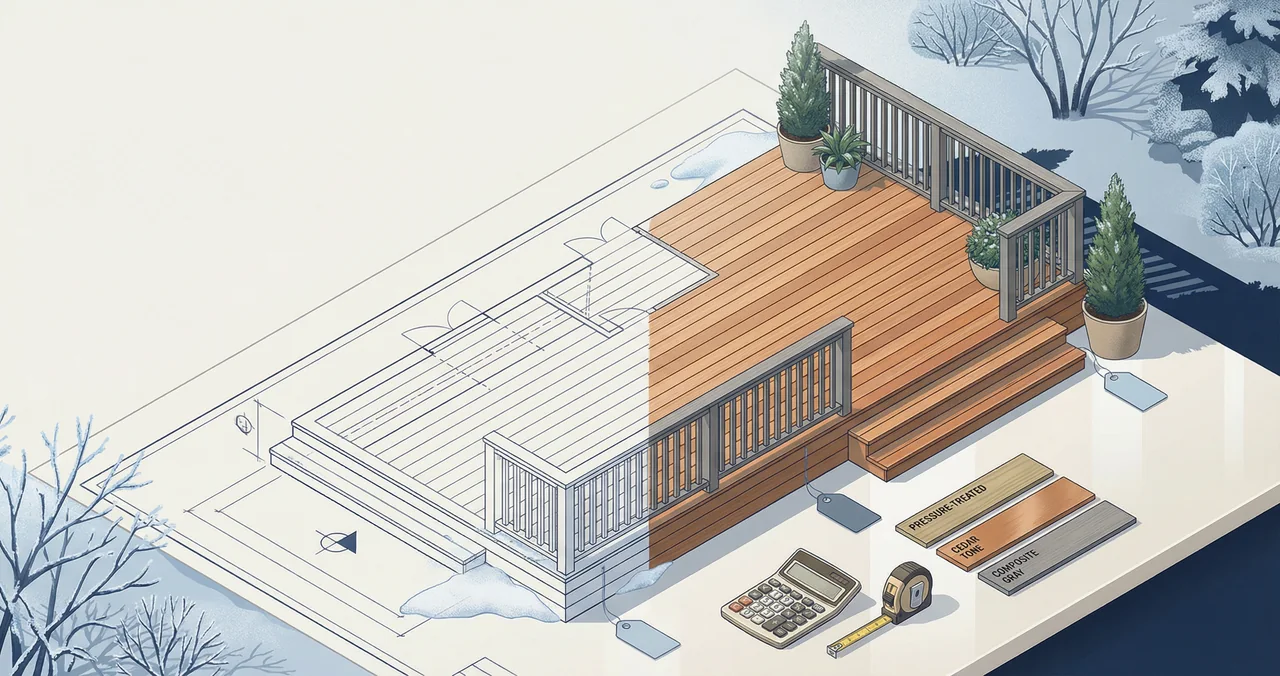
Vanier is a mature Kitchener neighbourhood with a mix of mid-century bungalows, raised backsplits, and two-storey homes. Many properties feature established backyards with mature trees, sloped lots, and rear access—all of which affect deck design and construction.
Whether you're replacing a weathered pressure-treated deck or adding a new outdoor space to connect with your yard, local deck builders familiar with Vanier's housing stock can help you plan a project that fits your lot, budget, and permit requirements.
Common Deck Projects in Vanier
Ground-level decks are popular on flat lots with bungalows. These typically don't require a building permit in Kitchener if they're under 24 inches high and not attached to the home, though they still need to meet setback rules.
🏗️ Planning a deck project?
Get a free manual project review, or visualize your dream deck with AI before requesting quotes.
Raised decks are common on backsplit and two-storey homes where the main floor is elevated. These require a permit, engineered footings, guardrails at the required height, and a ledger connection to the house properly flashed to prevent water intrusion.
Multi-level decks work well on sloped lots. Builders often step the deck down toward the yard to minimize the overall height and reduce the visual impact from neighbouring properties.
Deck replacements are frequent in Vanier. Many homes still have original or early decks built in the 1980s and 1990s. If the framing is compromised, a full rebuild is often more cost-effective than resurfacing. Read more in our guide to deck rebuild vs. resurface.
Permit and Bylaw Requirements
All decks over 24 inches in height or attached to the home require a building permit from the City of Kitchener. You'll need a site plan, framing drawings, and details on guardrail design and footing depth. The city's deck permit guide outlines the 24-inch rule and exemptions.
Setbacks typically require decks to be at least 0.6 metres (about 2 feet) from side and rear property lines, though corner lots and flanking streets may have different rules. Check your property's zoning or request a pre-consultation with the city before finalizing your design.
Lot coverage is the percentage of your property covered by buildings and structures. Decks count toward this limit. Most Vanier properties are zoned R2 or R3, with lot coverage limits around 35-40%. If your lot is already close to the limit, a large deck may require a minor variance.
Kitchener requires framing inspections before decking boards are installed. Inspectors check footing depth, joist spacing, ledger attachment, and guardrail framing. More details in our framing inspection guide.
Material Choices for Vanier Decks
Pressure-treated lumber remains the most common choice. It's affordable, readily available, and performs well in Ontario's climate. Expect to stain or seal it every 2-3 years to prevent cracking and greying.
Composite decking (Trex, TimberTech, Deckorators) is increasingly popular for low-maintenance decks. It costs more upfront but eliminates annual staining. Composite is ideal if you have mature trees that drop debris, as it resists mold and scratches better than wood. See our composite vs. wood comparison for a detailed breakdown.
Cedar is used less often due to cost, but it's naturally rot-resistant and doesn't require pressure treatment. It still needs sealing to maintain its colour.
Lot and Site Considerations
Many Vanier properties have mature trees close to the house. Roots can interfere with footing placement, and overhanging branches drop sap, leaves, and pollen. Builders may recommend adjusting the deck footprint or using helical piles instead of sonotubes to avoid root disruption. Our footing options guide compares methods.
Sloped yards are common. A well-designed deck on a slope reduces the need for tall posts and large amounts of fill. Multi-level designs or cantilevered sections can step with the grade.
Rear laneways provide access for equipment and material delivery, but confirm with your builder that the gate width accommodates skid steers or excavators if grading or large footings are needed.
What to Expect from a Deck Quote
Request quotes from at least three builders. A detailed quote should include material specs (lumber grade, fastener type, decking brand), footing method, permit application responsibility, timeline, and payment schedule. Our deck quote checklist covers what to ask.
Most builders charge separately for permit drawings. Some include this in the quote; others bill it as a line item. Clarify upfront who handles the permit application and inspections.
Expect a site visit before the quote is finalized. Builders need to assess access, measure the footprint, check for obstacles like downspouts or utilities, and confirm foundation attachment points.
Timelines vary by season. Spring and early summer are peak booking periods. If you're planning a May or June build, request quotes in late winter. Fall builds often have shorter lead times. See our best time to build guide for seasonal planning tips.
Deck Safety and Code Compliance
All decks over 24 inches high require guardrails at a minimum height of 42 inches in Ontario. Spindle or picket spacing must prevent a 4-inch sphere from passing through. Our railing height guide explains code requirements in detail.
Ledger boards attach the deck to the house and carry significant load. Proper installation includes through-bolts or lag screws (not nails), metal flashing above the ledger, and a drainage gap. Improper ledger attachment is a common failure point. Read our ledger flashing guide to understand what builders should do.
Joist spacing depends on decking type and joist size. Most 2x8 joists span up to 8 feet on 16-inch centers for pressure-treated decking. Composite often requires closer spacing. Check our joist span table for specs.
🎨 Not sure which material to pick?
Upload a photo of your backyard and see exactly how Trex, TimberTech, or cedar would look — free and instant.
Helpful Links
- Get Deck Quotes – Compare local builders in Vanier and across KWC
- Deck Builders in Kitchener – City-wide deck builder directory
- Deck Builders in Waterloo – Builders serving Waterloo
- Deck Builders in Cambridge – Cambridge deck contractors
Upload a backyard photo and preview real decking materials with AI — free, instant, no sign-up.
Permits, costs, material comparisons, and questions to ask before requesting quotes — delivered to your inbox.