
Deck Maintenance in Texas Heat (2026)
Learn how to protect your Texas deck from scorching heat, UV rays, and moisture. Expert tips on cleaning, sealing, and maintenance for wood & composite decks.
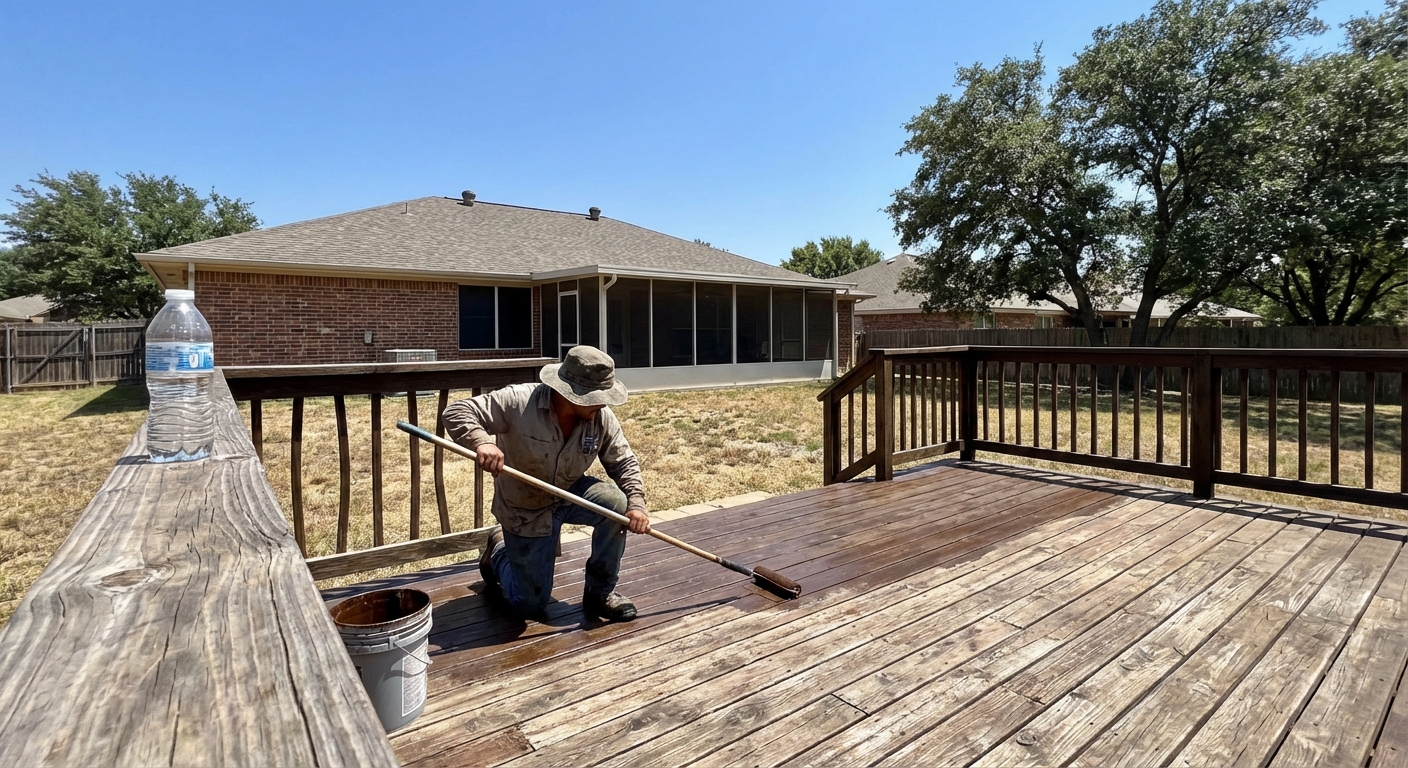
Are you a Texas homeowner wondering how to keep your deck looking great and structurally sound despite the intense heat and weather? You're not alone. Decks are a valuable addition to Texas homes, increasing property value and providing outdoor living space. Given that Texas has no state income tax, many homeowners choose to invest more in home improvements like decks. However, the extreme Texas climate – especially the scorching summers – demands diligent maintenance to protect your investment. This guide will walk you through the best practices for deck maintenance in Texas, covering everything from cleaning and sealing to material-specific care.
📅 Tool Alert: Maintenance Planner
Get a custom seasonal maintenance schedule to protect your investment for decades.
Plan Maintenance →Understanding the Texas Deck Landscape
Looking for more regional information? Check out our Texas State Decking Hub.
🏗️ Planning a deck project?
Get a free manual project review, or visualize your dream deck with AI before requesting quotes.
Building a deck in Texas presents unique considerations. The average cost to build a deck ranges from $25 to $100+ per square foot, depending on the material you choose. Here's a quick breakdown:
| Material | Cost per SqFt (Installed) |
|--------------------|---------------------------|
| Pressure-Treated | $25 - $45 |
| Composite | $45 - $75 |
| Cedar | $35 - $55 |
| Trex | $50 - $80 |
| Ipe (Brazilian Walnut) | $60 - $100+ |
Texas's extreme heat, with summer temperatures often reaching 95-105°F, and intense UV exposure put a significant strain on deck materials. Composite decking, while durable, can get extremely hot, with surface temperatures exceeding 150°F in direct sunlight. The good news? The frost line is relatively shallow, typically only 6-12 inches in most of Texas, meaning you can save on footing costs compared to northern states.
Most Texas cities require permits for decks exceeding 200 square feet or 30 inches above grade. Be sure to check your local regulations. For example:
- Houston: No zoning regulations, but permits are required from the City of Houston Permitting Center.
- Dallas: Permits are obtained through Dallas Development Services, with costs ranging from $200-$500.
- Austin: Permits are notoriously slow to process through Austin Development Services, often taking 8-12 weeks.
- San Antonio: Permits are issued through the Development Services Department, with a relatively faster turnaround.
Popular deck features in Texas include covered decks, outdoor kitchens, pool decks, and shade structures – all designed to maximize outdoor enjoyment while mitigating the harsh sun. The best months for building are typically October through April, avoiding the peak summer heat. For those near the Gulf Coast, termite and moisture considerations are also paramount.
<!-- slot:after-intro -->
Essential Deck Maintenance Tasks for Texas Climates
Regular maintenance is crucial for extending the life and beauty of your deck. Here's a breakdown of key tasks:
Cleaning Your Deck
Cleaning removes dirt, grime, mold, and mildew, preventing damage and keeping your deck looking its best.
- Frequency: Clean your deck at least twice a year – in the spring and fall. If you live in a humid area like Houston or near a pool, you might need to clean it more frequently.
- Tools: Use a stiff-bristled brush, a garden hose with a spray nozzle, and a deck cleaning solution. A pressure washer can be used *carefully*, but improper use can damage the wood or composite material.
- Cleaning Solutions: Choose a cleaner appropriate for your deck material. For wood decks, use a wood-specific cleaner or a mixture of water and mild soap. For composite decks, use a composite deck cleaner. Avoid using bleach on wood decks, as it can damage the wood fibers.
- Procedure:
1. Sweep the deck to remove loose debris.
2. Wet the deck thoroughly with a hose.
3. Apply the cleaning solution according to the manufacturer's instructions.
4. Scrub the deck with a stiff-bristled brush.
5. Rinse the deck thoroughly with a hose.
Sealing or Staining Your Wood Deck
Sealing or staining protects wood decks from moisture damage, UV rays, and wear.
- Frequency: Seal or stain your wood deck every 1-3 years, depending on the type of product used and the level of exposure to the elements. Decks in full sun, especially in areas like San Antonio, will require more frequent sealing.
- Types of Sealants/Stains:
* Clear Sealants: Provide water resistance without changing the color of the wood.
* Toned Sealants: Add a slight tint to the wood while providing water resistance.
* Semi-Transparent Stains: Enhance the wood grain and provide some color.
* Solid Stains: Completely cover the wood grain and offer the most protection from UV rays.
- Application:
1. Clean the deck thoroughly (as described above) and allow it to dry completely.
2. Sand the deck lightly to create a smooth surface.
3. Apply the sealant or stain according to the manufacturer's instructions, using a brush, roller, or sprayer.
4. Allow the sealant or stain to dry completely before using the deck.
- Considerations: Oil-based stains penetrate the wood better and offer better protection, but they can be more difficult to apply and clean up. Water-based stains are easier to apply and clean up, but they may not last as long.
Inspecting Your Deck Regularly
Regular inspections can help you identify and address potential problems before they become major issues.
- Frequency: Inspect your deck at least twice a year – in the spring and fall.
- What to Look For:
* Loose or corroded fasteners: Check all screws, nails, and bolts for signs of rust or loosening. Replace any damaged fasteners.
* Cracked or rotting wood: Pay close attention to areas where water can accumulate, such as around posts and railings. Replace any damaged boards.
* Loose railings or steps: Ensure that all railings and steps are securely attached.
* Termite damage: Look for signs of termite activity, such as mud tubes or hollowed-out wood, especially if you live near the Gulf Coast.
* Sagging or uneven surfaces: This could indicate a structural problem that needs to be addressed by a professional.
Material-Specific Maintenance Tips
Different deck materials require different maintenance approaches.
#### Pressure-Treated Wood
- Pros: Affordable, readily available, resists rot and insects.
- Cons: Prone to warping and cracking, requires regular sealing or staining.
- Maintenance: Clean annually, seal or stain every 1-3 years, inspect for cracks and splinters. See also: Pressure-Treated [Deck Cost in Texas: Budget-Friendly Guide](/decks/blog/pressure-treated-deck-cost-texas)
#### Cedar
- Pros: Naturally resistant to rot and insects, beautiful appearance.
- Cons: More expensive than pressure-treated wood, requires regular sealing or staining to maintain its color.
- Maintenance: Clean annually, seal or stain every 2-4 years, inspect for weathering. See also: Cedar Deck Cost in Texas: Is It Worth the Premium?
#### Composite Decking
- Pros: Low-maintenance, durable, resists fading and staining.
- Cons: More expensive than wood, can get hot in direct sunlight, prone to mold and mildew in humid environments.
- Maintenance: Clean annually with a composite deck cleaner, remove mold and mildew as needed, consider using light-colored decking to reduce heat absorption. *Avoid* using dark rugs, as they can trap heat and potentially damage the decking. See also: Composite Deck Cost in Texas: What to Expect in 2026, Best Composite Decking for Texas Heat: Top Brands Compared
#### Trex Decking
- Pros: A specific brand of composite decking known for its durability, wide range of colors and styles, and warranty.
- Cons: Can be more expensive than other composite options, still susceptible to heat buildup.
- Maintenance: Follow Trex's specific cleaning recommendations, which typically involve using a composite deck cleaner and a soft-bristled brush. See also: Trex Deck Cost in Texas: Pricing, Options & Real Examples, Trex vs TimberTech in Texas: Which Composite Deck Is Better?
#### Ipe (Brazilian Walnut)
- Pros: Extremely durable, naturally resistant to rot, insects, and fire, beautiful appearance.
- Cons: Most expensive decking material, requires specialized tools and fasteners for installation, can be difficult to work with.
- Maintenance: Clean annually, apply a UV protectant oil every 1-3 years to maintain its color, or allow it to weather naturally to a silver-gray patina.
<!-- slot:mid-content -->
Design Considerations for Texas Decks
When designing a deck in Texas, consider these factors to maximize comfort and minimize maintenance:
- Shade: Incorporate shade structures like pergolas, covered patios, or awnings to reduce sun exposure and keep your deck cooler.
- Material Selection: Choose materials that are resistant to heat, UV rays, and moisture. Light-colored composite decking can help reduce heat absorption.
- Ventilation: Ensure adequate ventilation under the deck to prevent moisture buildup and promote air circulation.
- Drainage: Proper drainage is essential to prevent water damage. Slope the deck slightly away from your house and ensure that water can drain freely.
Use PaperPlan (paperplan.app) to visualize your deck with PaperPlan design with different materials and layouts before committing to a contractor. Seeing how different shade structures look, or how different colored decking impacts the overall aesthetic, can save you headaches (and money) down the road.
Dealing with Permits and Regulations
Before building or modifying your deck, it's crucial to understand the permitting requirements in your city. As mentioned earlier, most Texas cities require permits for decks exceeding 200 sqft or 30 inches above grade. Failure to obtain the necessary permits can result in fines and delays.
- Research Local Codes: Contact your city's building department to learn about specific requirements for deck construction, including setback requirements, height restrictions, and railing specifications. See also: Texas Deck Building Codes: Key Requirements for 2026, Deck Setback Requirements in Texas: How Close to the Property Line?, Deck Height Regulations in Texas: When Permits & Railings Are Required
- Submit Plans: Prepare detailed plans that show the dimensions of your deck, the materials you will be using, and the location of the deck on your property.
- Schedule Inspections: Once your permit is approved, you will need to schedule inspections at various stages of construction to ensure that your deck meets all applicable codes.
Here are some direct links to city-specific permit guides: Houston Deck Permit: Requirements, Costs & How to Apply, Dallas Deck Permit Guide: What You Need Before Building, San Antonio Deck Permit: Rules, Fees & Process, Austin Deck Permit: Everything Homeowners Need to Know.
Budgeting for Deck Maintenance
The cost of deck maintenance varies depending on the size of your deck, the materials used, and the extent of the work required. Here's a general idea of what you can expect to pay:
- Cleaning: $50 - $200 per cleaning, depending on the size of the deck and the cleaning method used.
- Sealing/Staining: $2 - $5 per square foot, including labor and materials.
- Repairs: Varies widely depending on the extent of the damage. Replacing a few boards might cost $100 - $300, while major structural repairs could cost thousands of dollars.
- Professional Inspection: $100 - $300 for a thorough inspection by a qualified deck inspector.
<!-- slot:before-faq -->
Maintaining your deck in Texas requires proactive steps and an understanding of the local climate. By following these guidelines, you can protect your investment and enjoy your outdoor space for years to come.
<!-- slot:end -->
🎨 Not sure which material to pick?
Upload a photo of your backyard and see exactly how Trex, TimberTech, or cedar would look — free and instant.
Frequently Asked Questions
How often should I clean my composite deck in Texas?
It's best to clean your composite deck at least twice a year, in the spring and fall. However, if you live in a humid area like Houston or have a pool, you may need to clean it more frequently to prevent mold and mildew growth.
What's the best sealant for a wood deck in Texas heat?
For wood decks in Texas, an oil-based sealant with UV protection is generally recommended. Oil-based sealants penetrate the wood better and offer superior protection against moisture and sun damage. Look for sealants specifically designed for exterior use and follow the manufacturer's instructions carefully.
How can I keep my composite deck from getting too hot in the summer?
Choose light-colored composite decking, as darker colors absorb more heat. Consider adding shade structures like pergolas or awnings to reduce direct sunlight exposure. Avoid using dark rugs on your deck, as they can trap heat. Regularly hose down the deck during the hottest part of the day to cool it down.
Do I really need a permit to build a small deck in Texas?
Most Texas cities require permits for decks exceeding 200 square feet or 30 inches above grade. Even if your deck is smaller, it's always best to check with your local building department to ensure you comply with all applicable regulations.
📋 Planning a deck project?
Get a free manual project review from our team — no obligation, no spam.
Get Free Project Review →Upload a backyard photo and preview real decking materials with AI — free, instant, no sign-up.
Permits, costs, material comparisons, and questions to ask before requesting quotes — delivered to your inbox.