
Deck Winterizing Checklist for Ontario: Complete Guide
Complete deck winterizing checklist for Ontario homeowners. Protect your deck from freeze-thaw damage, snow load, and ice with this seasonal guide.
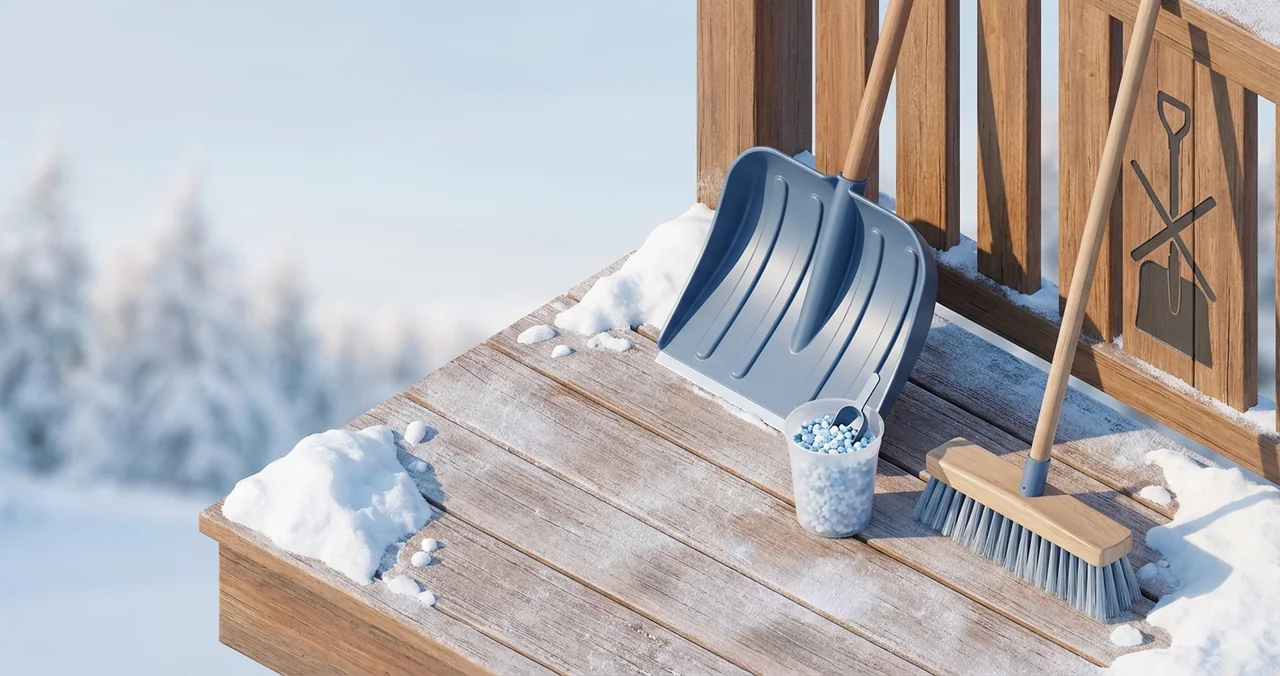
Ontario winters are brutal on decks. Freeze-thaw cycles, heavy snow loads, ice buildup, and freezing rain can cause thousands of dollars in damage if your deck isn't properly prepared. A few hours of fall maintenance can prevent structural issues, surface damage, and costly spring repairs.
Here's exactly what you need to do before the first snowfall.
Why Ontario Decks Need Winter Prep
Ontario's climate creates unique challenges:
🏗️ Planning a deck project?
Get a free manual project review, or visualize your dream deck with AI before requesting quotes.
- Freeze-thaw cycling: Temperatures swing above and below freezing 30-50 times per winter in KWC, forcing water trapped in wood or composite to expand and contract repeatedly
- Snow load: A typical Ontario snowfall adds 10-15 lbs per square foot of weight; heavy wet snow can exceed 20 lbs/sqft
- Ice dams: Poor drainage causes water to pool, freeze, and expand in cracks and gaps
- Salt exposure: De-icing salt accelerates corrosion on metal fasteners and can stain composite decking
- UV damage: Winter sun reflecting off snow can fade and degrade unprotected surfaces
Winterizing addresses all of these. Skip it, and you'll likely face warped boards, rusted fasteners, rotten joists, or cracked railings by spring.
Early Fall: Deep Clean and Inspect (September-October)
Start 6-8 weeks before the first freeze (typically late September in KWC). You need dry weather for cleaning and sealing.
Clean the Surface Thoroughly
Pressure-treated and cedar decks:
- Sweep off all debris (leaves, dirt, pine needles)
- Power wash at 1,200-1,500 PSI with a 25-degree nozzle
- Use a deck cleaner (oxygen bleach or specialized wood cleaner) to remove mold, mildew, and tannin stains
- Scrub between boards with a stiff brush to clear out trapped dirt
- Rinse thoroughly and let dry 48-72 hours
Composite decks:
- Sweep and hose down with water
- Use a mild soap solution or composite deck cleaner (avoid chlorine bleach on some brands)
- Scrub mold or mildew spots with a soft brush
- Rinse completely
- Let dry 24-48 hours
For more on composite cleaning, see composite deck maintenance in Ontario.
Inspect for Damage
Walk every square foot of your deck and check:
Decking boards:
- Cracks, splits, or splinters (especially on wood)
- Loose boards that shift when stepped on
- Rot (soft spots, discoloration, crumbling wood)
- Warped or cupped boards
- Popped fasteners or screws backing out
Structure:
- Joist condition (look underneath for rot, insect damage, sagging)
- Ledger board attachment to the house (check for rot, water stains, loose bolts)
- Beam and post integrity (cracks, rot, insect holes)
- Footing exposure or shifting (frost heave can move posts)
Railings and stairs:
- Loose railing posts (grab and shake each one)
- Cracked or split balusters
- Stair tread wear or rot
- Handrail stability
- Railing height compliance (should be 42 inches minimum per Ontario Building Code)
Hardware:
- Rusted or corroded screws, bolts, joist hangers
- Missing fasteners
- Loose lag bolts at ledger board
Replace any damaged boards or hardware before winter. Water will infiltrate cracks and expand when frozen, making small problems much worse.
Mid-Fall: Seal and Protect (October-November)
Once the deck is clean, dry, and repaired, it's time to seal. You need consecutive days above 10°C (50°F) with no rain in the forecast for at least 48 hours after application.
Wood Decks: Apply Stain or Sealer
New pressure-treated decks:
- Must dry and weather for 6-12 months before staining (unless kiln-dried)
- Test by sprinkling water on the surface—if it beads up, the wood is too wet; if it soaks in, it's ready
- Apply a water-repellent sealer or semi-transparent stain with UV protection
Existing wood decks:
- Restain every 2-3 years (or when water no longer beads on the surface)
- Use an oil-based or water-based deck stain rated for Ontario freeze-thaw
- Apply two coats with a brush or roller (follow manufacturer's dry time between coats)
- Pay extra attention to end cuts, stair treads, and railing caps where water penetrates most
Top products for Ontario:
- Oil-based: penetrates deeper, lasts longer, better for older wood
- Water-based: dries faster, less VOC, easier cleanup
Cost: $150-400 in materials to seal a typical 200-300 sqft deck yourself, or $500-1,200 to hire a pro.
For more details, see pressure-treated deck maintenance in Ontario.
Composite Decks: Protect Fasteners and Gaps
Composite decking doesn't need sealing, but you should:
- Apply a composite deck protectant (optional, adds UV resistance and stain protection)
- Inspect and replace any rusted screws or clips (especially on older decks with steel fasteners)
- Clean out gaps between boards so water doesn't freeze and expand
- Check manufacturer warranty requirements—some brands void coverage if you use unauthorized cleaners or sealants
Don't Forget Railings and Stairs
- Seal exposed end grain on wood railing posts and caps (most vulnerable to water entry)
- Touch up any chipped paint on painted railings
- Apply sealer to stair treads and risers (high-traffic areas need extra protection)
Late Fall: Final Prep Before Snow (November)
As temperatures drop toward freezing, complete these tasks:
Clear All Drainage Paths
Water that can't escape will freeze and cause damage.
- Clean out gaps between deck boards with a putty knife or deck gap cleaning tool
- Remove all leaves and debris from under the deck
- Check downspouts and gutters near the deck—redirect water away from footings and joists
- Ensure proper slope: your deck should pitch 1/4 inch per foot away from the house to prevent pooling
Poor drainage is a leading cause of deck ledger rot.
Remove or Store Furniture and Planters
- Move potted plants off the deck (clay pots will crack when soil freezes and expands)
- Store deck furniture indoors or cover with waterproof, breathable covers
- Remove grills, fire pits, and accessories to prevent rust and corrosion
- Take down fabric shades or cushions (moisture and freeze-thaw will destroy them)
Leaving furniture in place can trap moisture underneath, leading to mold, mildew, and staining.
Trim Overhanging Branches
- Cut back tree branches within 6-8 feet of the deck
- Remove any branches that could drop heavy snow or ice onto the deck
- Clear low-hanging limbs that will scrape the deck surface when weighted with snow
A single ice-laden branch can cause significant damage if it falls.
Check Under-Deck Ventilation
If your deck has skirting:
- Ensure ventilation gaps are clear (prevents moisture buildup and rodent nesting)
- Install lattice panels instead of solid skirting to allow airflow
- Check for animal entry points and seal them (raccoons and squirrels love warm under-deck spaces in winter)
More on this: deck skirting and ventilation.
Winter Maintenance: What to Do Once Snow Flies
Winterizing doesn't end in November. Ongoing winter care prevents damage.
Snow Removal
How much snow is too much?
Most residential decks are designed for a 40-50 lbs/sqft live load (per OBC), but heavy wet snow can approach that limit. Remove snow when:
- Accumulation exceeds 6-8 inches
- You notice the deck sagging or creaking under weight
- Ice buildup creates a thick layer
Best practices:
- Use a plastic shovel (metal will gouge and scratch)
- Shovel in the direction of the boards (not across the grain)
- Leave a thin layer (1/2 inch) to avoid scraping the surface
- Never use a snowblower on a deck (too aggressive, damages boards)
De-icing:
- Avoid rock salt (sodium chloride)—it corrodes fasteners and stains composite
- Use calcium chloride or magnesium chloride (less corrosive)
- Best option: sand or kitty litter for traction without chemicals
- Apply de-icer sparingly and sweep off residue in spring
Composite decks are more slip-resistant than wood when wet, but ice is ice. For winter deck care details, see winter deck care in Ontario.
Periodic Inspections
Check your deck monthly during winter:
- Look for ice dams around posts, railings, and stair stringers
- Inspect for sagging or shifting (could indicate structural issues or frost heave)
- Clear debris and snow buildup in corners and against the house
- Check that drainage is still working during thaws
Spring: Post-Winter Inspection and Repairs
Once the snow melts (typically late March in KWC), inspect for winter damage:
- Fastener corrosion: replace rusted screws or bolts
- Board damage: repair or replace cracked, split, or warped boards
- Structural movement: check for shifted posts or joists (frost heave)
- Finish wear: plan for re-staining if the sealer has failed
Address issues immediately before they worsen. A single rotted joist can compromise the entire deck.
Winterizing by Deck Material
Pressure-Treated Wood
Most vulnerable to:
- Freeze-thaw cracking
- Moisture absorption and rot
- Fastener corrosion
Critical steps:
- Seal every 2-3 years
- Replace any cracked or split boards before winter
- Clear all drainage paths
- Inspect ledger board and flashing
Cedar
Most vulnerable to:
- Weathering and fading
- Splinters and surface cracks
- Mold and mildew
Critical steps:
- Apply sealer or stain annually (cedar loses its natural oils quickly)
- Clean thoroughly to remove mold
- Check for loose knots (these expand and contract more than surrounding wood)
Composite
Most vulnerable to:
- Fastener corrosion
- Ice expansion in gaps
- Staining from de-icing salt
Critical steps:
- Clean gaps between boards
- Replace any steel fasteners with stainless or coated versions
- Avoid chlorine-based cleaners
- Use composite-safe de-icer
For a full comparison, see composite vs. wood decking in Ontario.
Cost to Winterize Your Deck
DIY costs (200-300 sqft deck):
- Deck cleaner: $20-40
- Stain/sealer (5 gallons): $100-300
- Brushes, rollers, applicators: $30-60
- Replacement fasteners/hardware: $20-100
- Total: $170-500
Professional winterizing:
- Cleaning: $150-300
- Staining/sealing: $400-900
- Repairs (boards, fasteners): $200-800
- Total: $750-2,000
Compare this to the cost of repairing freeze-thaw damage in spring ($1,000-5,000+) and winterizing makes financial sense. For a broader look at what decks cost in Ontario, our full guide covers every budget factor.
🎨 Not sure which material to pick?
Upload a photo of your backyard and see exactly how Trex, TimberTech, or cedar would look — free and instant.
Common Questions
How late in the fall can I seal my deck in Ontario?
You need consecutive days above 10°C (50°F) with no rain for 48 hours after application. In KWC, this typically means early-to-mid October is the latest. If you miss the window, wait until late April or May—sealing in cold weather will cause the product to fail.
Can I use a snow blower on my composite deck?
No. Snow blowers will scratch, gouge, and damage composite decking. Use a plastic shovel and remove snow manually. The damage from a snow blower is not covered by most composite deck warranties.
Do I need to remove all snow from my deck?
Not necessarily. Most decks handle 6-8 inches without issue. Remove snow when accumulation exceeds this, when ice builds up, or when you notice the deck sagging. Leaving a thin layer protects the surface from metal shovels.
Should I cover my deck for winter?
Generally no. Tarps and covers trap moisture, which leads to mold, mildew, and rot. The deck needs to breathe. The only exception is if you have specific features (like a built-in bar or outdoor kitchen) that benefit from targeted protection.
What's the biggest winterizing mistake Ontario homeowners make?
Skipping the fall seal. Homeowners assume their deck is fine because it "made it through last winter." But UV damage, foot traffic, and weathering degrade the sealer over time. Once water penetrates unprotected wood, freeze-thaw cycles cause irreversible damage. Seal every 2-3 years without exception.
Upload a backyard photo and preview real decking materials with AI — free, instant, no sign-up.
Permits, costs, material comparisons, and questions to ask before requesting quotes — delivered to your inbox.