
Non-Slip Composite Decking for Canadian Winters
Non slip composite decking Canada: Learn which brands, textures, and installation methods prevent winter slips in Ontario's freeze-thaw climate.
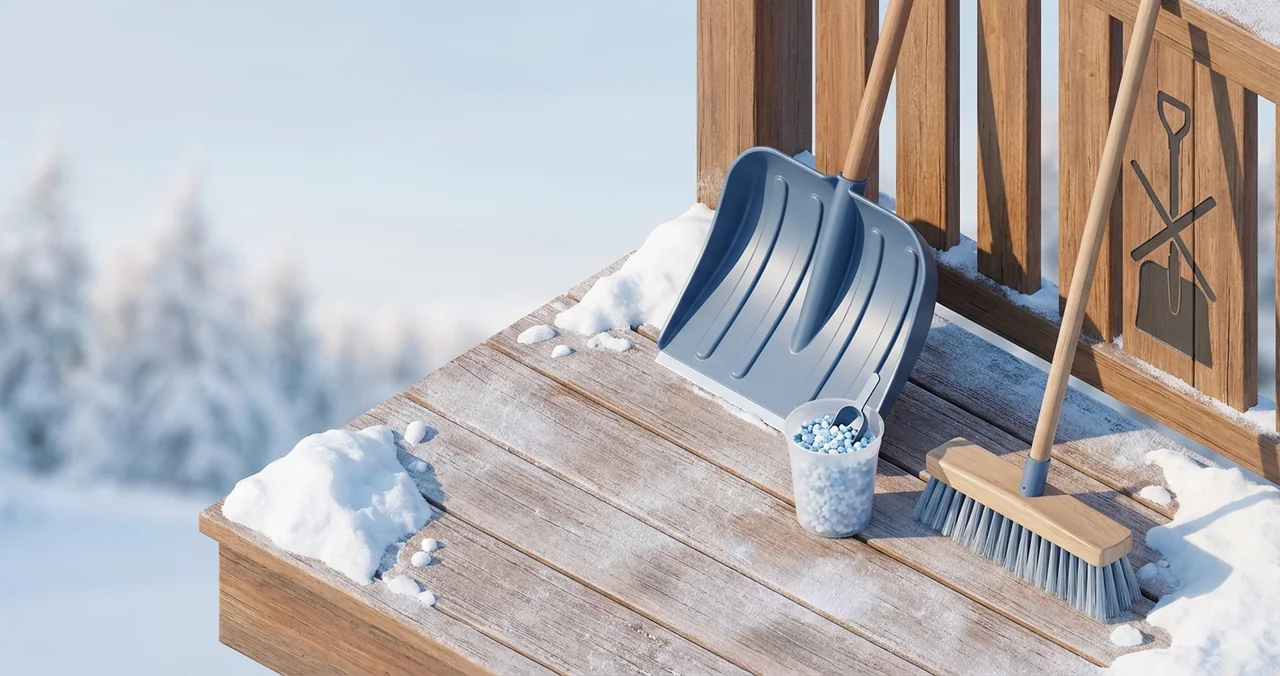
Winter ice on your deck is dangerous. Every year, homeowners across Ontario deal with slippery composite decking that turns their backyard into a skating rink the moment temperatures drop below freezing. If you're building a new deck or replacing an old one, choosing the right non-slip composite decking matters—especially in regions like Kitchener-Waterloo-Cambridge where freeze-thaw cycles happen dozens of times each winter.
Not all composite decking performs the same in winter conditions. Some brands offer genuinely slip-resistant surfaces that handle snow, ice, and wet conditions better than others. Here's what you need to know.
Why Composite Decking Gets Slippery in Winter
Composite decking is made from wood fibers and plastic polymers. When water sits on the surface and freezes, it creates a thin layer of ice that's extremely slippery—much more so than pressure-treated wood, which has a naturally rough grain.
🏗️ Planning a deck project?
Get a free manual project review, or visualize your dream deck with AI before requesting quotes.
Three factors make composite slippery in Canadian winters:
- Smooth surface finish: Many composite boards have a semi-smooth finish that offers minimal traction when wet or icy
- Freeze-thaw cycles: Ontario sees frequent temperature swings from -10°C to +5°C, creating ice buildup that melts and refreezes
- Snow compaction: Foot traffic compacts snow into ice, especially on high-traffic areas like stairs and landings
The good news? Manufacturers have developed textured composite boards specifically designed to reduce slip risk. You just need to know which ones work.
Best Non-Slip Composite Decking Brands for Canada
Trex Transcend and Enhance
Trex uses a multi-directional embossed texture on their Transcend and Enhance lines that provides solid traction in wet and icy conditions. The surface mimics natural wood grain with enough depth to channel water and prevent ice buildup.
Winter performance: Homeowners in Ontario report good traction even when wet. Not completely slip-proof in heavy ice, but significantly better than smooth composite or first-generation Trex boards.
Pricing: $9-14/sqft material-only; installed cost runs $70-90/sqft in the KWC market as of 2026.
Learn more about Trex options and costs in our Trex Decking Canada review.
TimberTech AZEK and PRO
TimberTech offers two distinct slip-resistant options:
AZEK (all-polymer boards): Features a deep embossed texture called "Premium" or "Vintage" that creates channels for water drainage. Because AZEK boards contain no wood fibers, they absorb less moisture and are less prone to ice accumulation.
TimberTech PRO (capped composite): Uses a textured cap layer that provides traction while protecting the wood-plastic core underneath.
Winter performance: AZEK performs exceptionally well in freeze-thaw conditions due to minimal moisture absorption. PRO boards also handle Ontario winters well.
Pricing: AZEK runs $12-18/sqft material-only; TimberTech PRO costs $8-13/sqft. Installed costs range from $75-95/sqft depending on project complexity.
Check out our composite decking cost guide for Waterloo for detailed pricing breakdowns.
Fiberon Concordia and Horizon
Fiberon uses a "GrainSelect" texture on their premium lines that mimics natural hardwood grain patterns. The texture runs deep enough to provide meaningful traction in wet conditions.
Winter performance: Good slip resistance in light snow and wet conditions. May still require salt or sand in heavy ice conditions.
Pricing: $8-12/sqft material-only; installed costs around $68-88/sqft in Ontario.
More details in our best composite decking Canada comparison.
Canadian-Made Options
If you prefer supporting Canadian manufacturers, brands like DuraLife and NewTechWood offer textured composite boards made domestically. DuraLife's "Spectrum" line features a slip-resistant surface designed specifically for Canadian climates.
Pricing: Generally $7-11/sqft material-only, with installed costs running $65-85/sqft.
See our full list of composite decking made in Canada brands.
Slip Resistance: What to Look For
When evaluating composite decking for winter slip resistance, focus on these features:
Texture Depth
Run your hand across the board. You should feel distinct grooves or grain patterns. Shallow "photo-printed" textures that look like wood but feel smooth won't help in winter.
What to ask: Request the manufacturer's slip resistance rating or test data. Look for boards tested to ASTM D2047 (Static Coefficient of Friction). A rating of 0.50 or higher when wet is considered slip-resistant.
Cap Layer Material
Capped composite boards have a protective polymer shell over the wood-plastic core. This cap layer can be formulated for better traction.
Three cap types:
- Standard polymer cap: Basic protection, moderate traction
- Mineral-infused cap: Contains silica or other minerals for enhanced grip
- Rubber-modified cap: Some premium brands add rubber compounds to improve wet traction
Drainage Channels
Boards with micro-grooves or embossed channels help water drain off the surface instead of pooling and freezing. Look for boards with multi-directional texture rather than straight-line patterns.
Color Considerations
Darker composite boards absorb more heat from winter sun, which helps melt snow and ice faster. Lighter colors stay cooler but may show less dirt and salt residue.
If safety is your priority, choose darker colors. If aesthetics matter more, plan on more frequent snow clearing with lighter boards.
Installation Tips for Winter Safety
Even the best non-slip composite won't perform well if installed incorrectly. Here's how to maximize winter safety:
Proper Slope and Drainage
Minimum slope: Ontario Building Code doesn't specify deck slope, but best practice is 1/8 inch per foot (about 1%) away from the house. This prevents water pooling and ice dams.
On low-slope or perfectly level decks, water sits in textured grooves and freezes. Even a slight slope makes a big difference.
Read more about deck drainage and under-deck water management.
Board Spacing
Composite boards expand and contract with temperature changes. Proper gapping allows drainage and prevents boards from buckling.
Recommended winter gaps:
- Side-to-side spacing: 3-6mm depending on board length and manufacturer specs
- End-to-end spacing: 6-8mm for Ontario's temperature swings
Check our guide on deck board spacing in Ontario for detailed gapping charts.
Stair Tread Installation
Deck stairs are the highest-risk area for winter slips. Consider these options:
Option 1: Install tread nosing strips. Aluminum or rubber strips with raised ribs provide extra traction on stair edges. Cost: $8-15 per linear foot.
Option 2: Use contrasting composite colors. Install darker tread boards against lighter risers—the color difference helps visibility in low light and snowy conditions.
Option 3: Apply anti-slip tape. Marine-grade adhesive tread tape adds aggressive traction. Cost: $2-4 per linear foot. Needs replacement every 2-3 years.
For code requirements on stair dimensions, see our deck stairs code guide for Ontario.
Joist Tape and Membrane
While not directly related to slip resistance, using joist tape on your deck framing prevents water from sitting on joists and creating ice buildup underneath the deck. This reduces moisture that can eventually leak through board gaps and refreeze on the surface.
Cost: $0.80-1.50 per linear foot of joist.
Learn whether deck joist tape is worth it in Ontario.
Winter Maintenance for Slip Prevention
No composite decking is 100% slip-proof in heavy ice. Here's how to maintain traction through Ontario's winter:
Snow Removal
Use a plastic shovel, not metal. Metal edges can scratch composite surfaces and damage the textured finish that provides traction.
Don't let snow compact. Clear your deck after every snowfall before foot traffic turns it into ice. Once compacted, snow becomes much harder to remove.
De-Icing Products
Not all ice melters are safe for composite decking.
Safe options:
- Calcium chloride: Works down to -25°C, won't damage composite
- Magnesium chloride: Less corrosive, works to -15°C
- Sand: Provides traction without chemicals (but messy)
Avoid:
- Rock salt (sodium chloride): Can leave white residue and may void some warranties
- Metal tools: Never chip ice with metal scrapers
Cost: Expect to spend $15-30 per winter on de-icing products for an average-sized deck.
For complete winter care tips, see our guide on winter deck care in Ontario.
Spring Cleaning
Salt residue and winter grime reduce the effectiveness of your deck's textured surface. Clean your composite deck thoroughly each spring.
Cleaning process:
1. Sweep off debris
2. Mix composite deck cleaner (follow manufacturer instructions)
3. Scrub with a stiff-bristle brush
4. Rinse thoroughly with garden hose
Cost: Composite deck cleaner runs $15-25 per bottle (covers 200-400 sqft).
Read our full composite deck maintenance guide for Ontario.
Cost Comparison: Non-Slip Composite vs. Alternatives
Here's how non-slip composite stacks up against other decking materials for winter performance and cost:
| Material | Slip Resistance (Winter) | Material Cost/sqft | Installed Cost/sqft | Winter Maintenance |
|----------|--------------------------|-------------------|--------------------|--------------------|
| Textured Composite | Good to Very Good | $8-14 | $68-90 | Low—salt, sand, sweep |
| Smooth Composite | Poor | $6-10 | $65-80 | Moderate—frequent de-icing |
| Pressure-Treated Wood | Very Good | $3-6 | $45-65 | High—annual staining, sealing |
| Cedar | Very Good | $6-10 | $55-80 | High—staining, sealing, repair |
| PVC (all-polymer) | Excellent | $12-18 | $75-95 | Very Low—minimal maintenance |
Pressure-treated wood offers the best natural traction due to its rough grain, but requires annual maintenance. Composite gives you excellent winter performance without the upkeep.
For a detailed cost breakdown, check our composite decking cost per square foot guide.
Permits and Code Compliance in KWC
Installing composite decking doesn't change permit requirements in Kitchener-Waterloo-Cambridge. If your deck is more than 24 inches (60 cm) above grade, you need a permit.
Permit costs in KWC (2026):
- Kitchener: $150-300 depending on deck size
- Waterloo: $175-350
- Cambridge: $150-400
Your composite deck must meet Ontario Building Code requirements for:
- Footing depth: Minimum 48 inches (1.2 m) below grade to prevent frost heave
- Joist spans: Depends on joist size and spacing (see our joist span table)
- Railing height: Minimum 36 inches (915 mm) if deck is 24+ inches above grade
Application guides:
- Kitchener deck permit application
- Waterloo deck permit application
- Cambridge deck permit application
Choosing the Right Composite for Your Project
If safety is your top priority: Go with AZEK or TimberTech PRO. The deep texture and low moisture absorption provide the best winter performance.
If budget matters more: Choose Trex Enhance or Fiberon Horizon. You'll get good slip resistance at a lower price point than premium brands.
If you want Canadian-made: DuraLife Spectrum offers solid winter performance and supports local manufacturing.
If you're replacing an existing deck: Make sure your current framing can support composite. Composite boards are heavier than wood and may require additional blocking or joists. See our deck rebuild vs. resurface guide.
Getting Quotes for Non-Slip Composite Installation
When requesting quotes from deck builders in KWC, specify that you want textured composite decking with slip-resistant properties. Not all builders stock premium brands or understand the difference between smooth and textured composite.
Questions to ask:
- Which composite brands do you stock?
- What's the slip resistance rating when wet?
- Do you install joist tape for added moisture protection?
- What's your warranty on installation?
- Are stairs included in the per-sqft price or quoted separately?
Use our deck quote checklist for Kitchener-Waterloo to ensure you get complete information.
Expect to receive quotes within 5-10 business days of your initial site visit. Learn more about typical deck quote timelines in KWC.
🎨 Not sure which material to pick?
Upload a photo of your backyard and see exactly how Trex, TimberTech, or cedar would look — free and instant.
Common Questions
What is the best non-slip composite decking for Canadian winters?
AZEK and TimberTech PRO offer the best winter performance due to deep embossed textures and low moisture absorption. Trex Transcend is also excellent and more widely available in Ontario. For budget-conscious projects, Trex Enhance and Fiberon Horizon provide good slip resistance at lower cost. Choose darker colors to help melt snow faster.
Is composite decking slippery when wet?
Smooth composite decking can be very slippery when wet or icy. Textured composite boards with deep embossing or multi-directional grain patterns provide much better traction. Look for products with a Static Coefficient of Friction (ASTM D2047) rating of 0.50 or higher when wet. This indicates slip-resistant performance.
Can I use rock salt on composite decking?
Calcium chloride and magnesium chloride are safer choices than rock salt (sodium chloride) for composite decking. Rock salt can leave white residue and may void some manufacturer warranties. Always check your specific product's warranty before using any de-icing chemicals. Sand provides traction without chemical concerns but requires thorough spring cleaning.
How do I make my composite deck less slippery in winter?
Maintain proper drainage by ensuring your deck has at least a 1/8 inch per foot slope away from the house. Clear snow promptly before foot traffic compacts it into ice. Use calcium chloride or sand for de-icing. Add anti-slip tread tape to stairs. Clean your deck thoroughly each spring to remove salt residue that reduces texture effectiveness. Consider installing aluminum or rubber nosing strips on stair treads.
Does composite decking need more winter maintenance than wood?
Composite requires less winter maintenance overall. You don't need to stain, seal, or repair splits and cracks like pressure-treated or cedar decking. However, you still need to clear snow, apply de-icer when needed, and clean salt residue in spring. Wood decking has naturally rougher texture and better inherent slip resistance, but the ongoing maintenance burden is significantly higher.
Upload a backyard photo and preview real decking materials with AI — free, instant, no sign-up.
Permits, costs, material comparisons, and questions to ask before requesting quotes — delivered to your inbox.