
Deck Builders in Elgin, Cambridge
Find trusted deck builders in Elgin, Cambridge. Local permit info, material advice, and quotes for backyards in this established Cambridge neighbourhood.
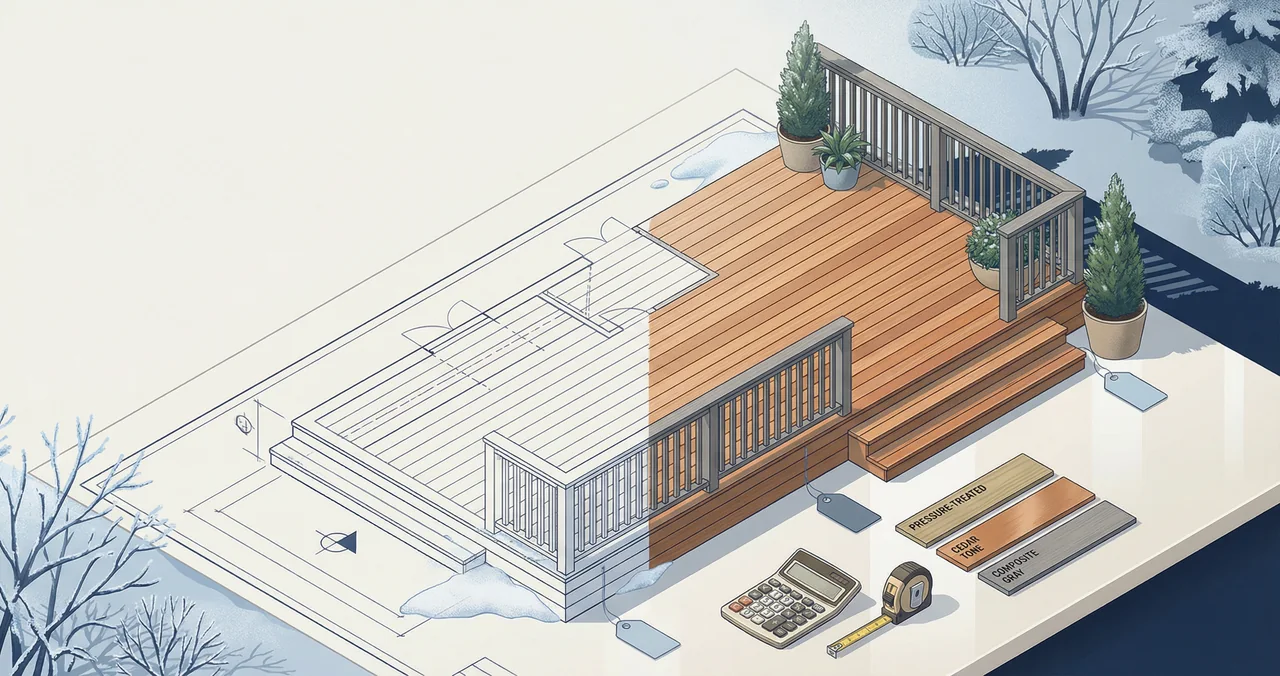
Elgin is one of Cambridge's more established neighbourhoods, with a mix of older homes on mature lots and newer infill housing along the eastern edge near Dunbar Road. Many properties here sit on standard 40–50 foot lots with modest backyards, making efficient deck design crucial for maximizing usable outdoor space without overwhelming the yard.
Whether you're replacing a dated wood deck on a 1960s bungalow or adding a new composite deck to a renovated home near Eagle Street, working with a local deck builder who understands Cambridge's bylaw requirements and the neighbourhood's typical lot constraints will save time and headaches.
Common Deck Projects in Elgin
Rear-Yard Deck Replacements: Older homes in Elgin often have original pressure-treated decks from the 1980s or 1990s that are showing their age. Replacing these with low-maintenance composite decking is a popular upgrade, especially for homeowners looking to reduce annual staining and maintenance.
🏗️ Planning a deck project?
Get a free manual project review, or visualize your dream deck with AI before requesting quotes.
Small Raised Decks: Many bungalows and split-levels in Elgin have elevated main floors 2–3 feet above grade. A raised deck with proper guardrails and stairs brings the backyard into everyday use and adds significant functional value without requiring a large footprint.
Ground-Level Patio Decks: For homes with walkout basements or those looking to expand ground-level living space, low-profile decks built on concrete footings work well in Elgin's smaller yards. These often don't trigger Cambridge's 24-inch elevation permit threshold, though confirming with the city is always recommended.
Deck Extensions or Rebuilds: Some Elgin homeowners are working with existing deck substructures that are still sound but need new decking, railings, or stairs. Partial rebuilds can be cost-effective, though a structural inspection is essential to ensure the framing, ledger board, and footings meet current code.
Cambridge Deck Permits for Elgin Residents
Most decks in Elgin require a building permit through the City of Cambridge. Permits are typically required if your deck is more than 24 inches (60 cm) above grade at any point, attached to the house, or exceeds 108 square feet (10 m²).
Key permit considerations for Elgin:
- Setback requirements: Decks must generally be at least 0.6 metres (2 feet) from side and rear property lines. Corner lots or properties backing onto parkland may have additional restrictions.
- Lot coverage: Cambridge limits how much of your property can be covered by structures. On smaller Elgin lots, this can occasionally become a factor if you're adding a large deck to a home with an existing garage or shed.
- Permit timelines: Budget 2–4 weeks for permit review and approval. Summer is peak season, so apply early if you're planning a spring or early summer build.
You can apply online through the City of Cambridge building portal or submit a paper application at City Hall. Most builders in the area will handle the permit application and drawings as part of their service.
For a detailed walkthrough of the Cambridge permit process, see our guide: Cambridge Deck Permit Application Step-by-Step 2026.
Material Choices for Elgin Decks
Elgin's mature tree canopy and proximity to the Grand River create a humid microclimate in summer, which can accelerate wood decay and promote mold growth on shaded decks. Composite decking is increasingly popular here for its resistance to moisture, rot, and insects.
Composite decking: Brands like Trex, TimberTech, and Fiberon perform well in Ontario's freeze-thaw cycles and require minimal upkeep. Expect to pay $40–60 per square foot installed for mid-range composite, including substructure, railings, and stairs. Homeowners appreciate the reduced maintenance compared to wood, especially on shaded decks under mature maples or oaks.
Pressure-treated wood: Still a cost-effective choice for budget-conscious projects. Expect $25–35 per square foot installed. Wood decks need annual cleaning and re-staining every 2–3 years to maintain appearance and weather resistance. For homes planning to sell in the next few years, a composite deck often offers better return on investment.
Cedar: A premium natural option with better rot resistance than pressure-treated pine. Cedar ages to a silver-grey patina if left unsealed, or can be maintained with regular staining. Prices typically fall between pressure-treated and composite.
For a cost comparison specific to Cambridge, see: Deck Cost Cambridge 2026 Price Guide.
Practical Tips for Elgin Homeowners
Plan for drainage: Many Elgin properties have minimal slope from house to rear property line. Ensure your deck design includes proper drainage underneath—standing water can damage footings and create mosquito breeding grounds. Sloping the grade away from the foundation before building is often necessary.
Consider sun exposure: Homes on the north side of streets like Elgin Street South get limited direct sun in backyards. If you're choosing composite decking, darker colours absorb more heat but may not get uncomfortably hot given the shade. Lighter colours show dirt more easily but reflect heat in sunnier yards.
Account for utilities: Buried gas lines, electrical, and water service often run through backyards in this area. Call Ontario One Call (1-800-400-2255) before digging footings to locate underground utilities.
Winterization: Cambridge winters are hard on outdoor structures. Proper flashing at the ledger board and joist protection tape can add years to your deck's lifespan by preventing moisture intrusion and freeze-thaw damage.
Lot-line considerations: Elgin's residential streets feature narrow side yards. If you're planning a wraparound deck or side-yard access, confirm setback compliance early in the design phase to avoid costly revisions.
Finding a Deck Builder in Elgin
Local.click connects Cambridge homeowners with experienced deck builders who know the city's permit requirements and work regularly in neighbourhoods like Elgin. Request quotes through our platform to compare pricing, timelines, and material options from builders active in your area.
🎨 Not sure which material to pick?
Upload a photo of your backyard and see exactly how Trex, TimberTech, or cedar would look — free and instant.
Helpful Links
- Get Deck Quotes in Cambridge
- Deck Builders in Cambridge
- Deck Builders in Kitchener
- Deck Builders in Waterloo
- Deck Permit Cost KWC: Fees and Hidden Costs
- Composite vs Wood Decking Ontario: Which Should You Choose?
Upload a backyard photo and preview real decking materials with AI — free, instant, no sign-up.
Permits, costs, material comparisons, and questions to ask before requesting quotes — delivered to your inbox.